South Korea Chinese Food Trend Surges Among Young Diners
South Korea Chinese food trend is rising as young diners embrace Chinese cuisine, driving demand, innovation, and new restaurant concepts.
 Prajakta Sanjay Warwadkar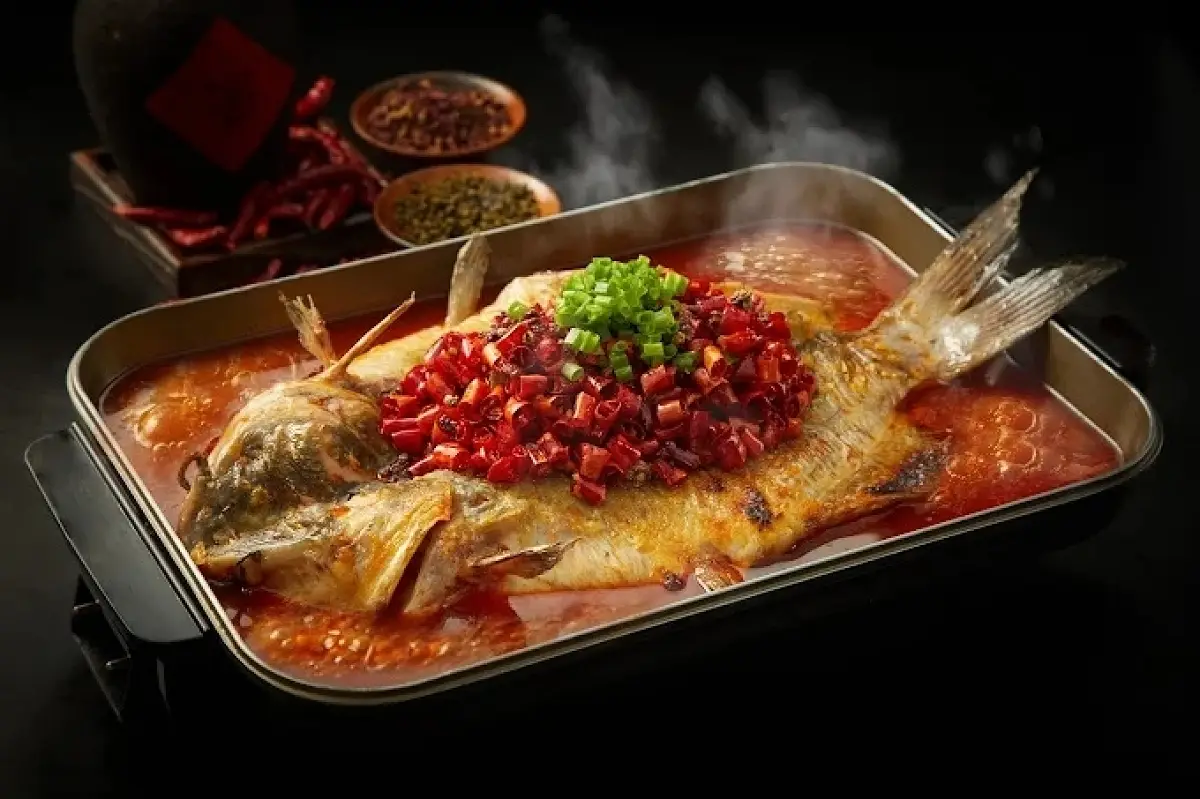
The South Korea Chinese food trend is gaining remarkable momentum, driven largely by young consumers who are reshaping dining preferences and influencing the country’s evolving restaurant landscape. Across major cities like Seoul and Busan, Chinese cuisine is no longer seen as a niche or occasional indulgence. Instead, it has become a regular part of everyday dining, particularly among Gen Z and millennials seeking bold flavors, affordability, and cultural variety.
This shift reflects broader changes in consumer behavior, where younger audiences are increasingly open to cross-cultural food experiences. The South Korea Chinese food trend is not only expanding the presence of Chinese restaurants but also encouraging innovation in menu design, restaurant formats, and marketing strategies.
South Korea Chinese Food Trend Gains Popularity Among Youth
The South Korea Chinese food trend is being fueled by younger diners who are actively exploring diverse cuisines. For many in their 20s and 30s, dining is no longer just about convenience. It is about discovery, social sharing, and cultural connection.
Restaurants specializing in Chinese dishes are seeing a steady increase in footfall, particularly in urban neighborhoods known for nightlife and social activity. Popular dishes such as hotpot, grilled fish, dumplings, and spicy noodles are attracting attention for their rich flavors and interactive dining formats.
Social media plays a major role in amplifying this trend. Food videos, influencer reviews, and viral content showcasing Chinese dishes have created curiosity and demand. As a result, the South Korea Chinese food trend is being shaped as much online as it is in physical dining spaces.
Changing Consumer Preferences
Young consumers in South Korea are moving away from traditional dining routines. Instead of sticking to familiar local dishes, they are exploring global cuisines with a strong emphasis on taste and experience.
This openness has allowed Chinese cuisine to thrive. Its wide range of flavors—from spicy and numbing to savory and comforting, appeals to diverse palates. The South Korea Chinese food trend reflects this adaptability, with menus often blending authenticity with local preferences.
Additionally, affordability plays a role. Many Chinese dishes are designed for sharing, making them attractive for group dining without significantly increasing costs. This aligns well with the spending habits of younger diners.
Restaurant Industry Adapts to the South Korea Chinese Food Trend
The rise of the South Korea Chinese food trend has prompted restaurant operators to rethink their strategies. New concepts are emerging that combine traditional Chinese cooking techniques with modern presentation and branding.
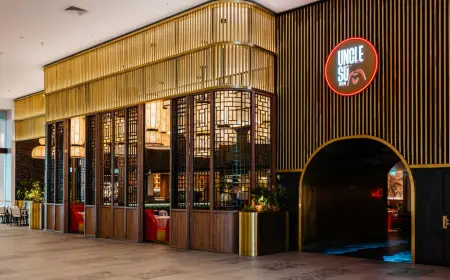
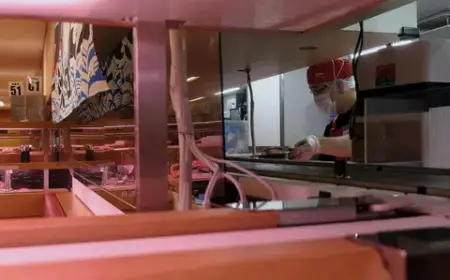
Restaurants are focusing on creating visually engaging interiors, interactive dining formats, and menu variety. Open kitchens, live cooking stations, and customizable dishes are becoming more common, enhancing the overall dining experience.
Operators are also investing in digital marketing. From short-form videos to influencer collaborations, restaurants are using online platforms to reach younger audiences and build brand identity.
Fusion and Innovation in Menus
One of the defining aspects of the South Korea Chinese food trend is menu innovation. While traditional dishes remain popular, many restaurants are introducing fusion variations tailored to local tastes.
For example, chefs are experimenting with spice levels, ingredient combinations, and plating styles to create dishes that feel both authentic and contemporary. This approach allows restaurants to stand out in a competitive market while still honoring the essence of Chinese cuisine.
The blending of culinary traditions also reflects a broader trend in the global food industry, where cross-cultural influences are driving creativity and differentiation.
Impact of Cultural Exchange on Dining Trends
The South Korea Chinese food trend is closely linked to increasing cultural exchange between the two countries. Travel, media, and digital content have made Chinese culture more accessible to Korean audiences.
This exposure has influenced not only food choices but also dining behavior. Consumers are more willing to try unfamiliar dishes and engage with different culinary traditions. The result is a more diverse and dynamic restaurant ecosystem.
At the same time, the presence of Chinese communities and businesses in South Korea has contributed to the authenticity and availability of Chinese cuisine. This has helped build trust among consumers and support long-term growth.
Role of Digital Platforms
Digital platforms have accelerated the spread of the South Korea Chinese food trend. Food bloggers, influencers, and review apps play a significant role in shaping public perception.
Restaurants that gain traction online often experience immediate increases in footfall. Viral dishes can quickly become must-try items, creating a cycle of demand and visibility.
This digital-first approach to dining discovery aligns with the habits of younger consumers, who rely heavily on online recommendations when choosing where to eat.
Economic Opportunities for Restaurant Operators
The South Korea Chinese food trend presents significant opportunities for restaurant operators. As demand grows, businesses can expand their offerings, open new locations, and explore partnerships.
High footfall areas such as shopping districts and entertainment zones are becoming hotspots for Chinese dining concepts. Operators are leveraging these locations to maximize visibility and attract a steady flow of customers.
Additionally, the trend supports job creation and contributes to the broader hospitality economy. From chefs and service staff to suppliers and delivery services, multiple sectors benefit from the growth of Chinese cuisine in South Korea.
Competitive Landscape and Challenges
While the South Korea Chinese food trend offers growth potential, it also brings increased competition. As more restaurants enter the market, differentiation becomes essential.
Operators must focus on quality, consistency, and customer experience to stand out. Maintaining authenticity while adapting to local tastes can be challenging, particularly for new entrants.
Rising operational costs, including rent and labor, also pose challenges. Restaurants need to balance pricing strategies with customer expectations to sustain profitability.
Future Outlook of the South Korea Chinese Food Trend
The future of the South Korea Chinese food trend looks promising. As younger consumers continue to seek diverse dining experiences, the demand for Chinese cuisine is expected to grow further.
Innovation will play a key role in sustaining this momentum. Restaurants that combine traditional flavors with modern concepts are likely to succeed in the long term.
Moreover, the integration of technology, from online ordering to digital marketing, will continue to shape the industry. Businesses that adapt to these changes will be better positioned to capture market share.
Long-Term Industry Impact
The South Korea Chinese food trend is more than a passing phase. It represents a shift in how consumers approach food, culture, and dining experiences.
As the trend evolves, it will likely influence other cuisines and inspire further innovation across the restaurant sector. The growing acceptance of diverse flavors and concepts signals a new era for the hospitality industry in South Korea.
Ultimately, the trend highlights the importance of adaptability and creativity in meeting changing consumer expectations. For operators and diners alike, it marks an exciting period of transformation in the culinary landscape.