Advanced Basic Kitchen Operations: Complete Training Guide with SOP & Professional Standards
Learn advanced basic kitchen operations training with SOP, workflow, food preparation, hygiene standards, and kitchen coordination in hotel environments.
 Jyoti Kushwaha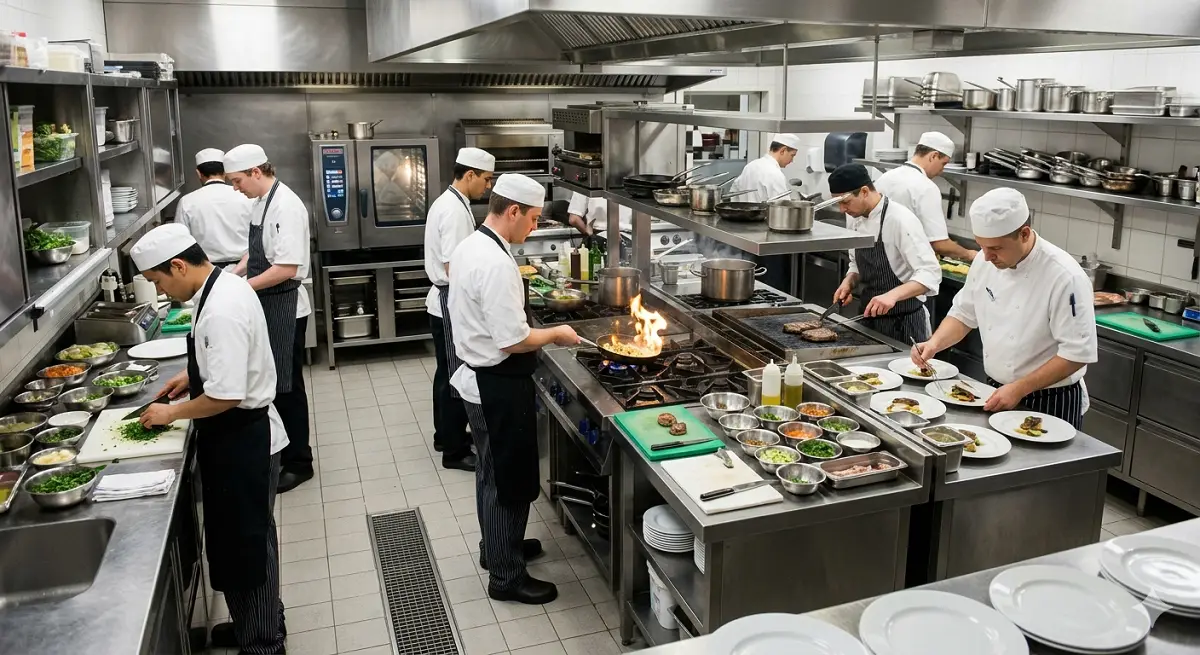
This advanced basic kitchen operations training module is designed for food production staff in hotel and restaurant kitchens. It focuses on structured SOP procedures, workflow management, hygiene standards, and coordination between kitchen sections. Strong kitchen operations are critical for maintaining food quality, service timing, and overall operational efficiency in hospitality environments.
Overview of Advanced Kitchen Operations in Hospitality
Advanced basic kitchen operations training is essential to ensure smooth functioning of professional kitchens. It involves managing food preparation, maintaining hygiene, controlling inventory, and coordinating with service teams to deliver food on time.
In hotel kitchens, operations are divided into sections such as hot kitchen, cold kitchen, bakery, and butchery. Each section follows a structured workflow to maintain consistency and quality. Staff must understand their responsibilities and execute tasks efficiently to support high-volume service.
Kitchen operations require precise timing, coordination, and adherence to safety standards. Delays or errors in one section can impact the entire service flow. Therefore, standardized procedures are followed to maintain control over food production.
This training ensures staff can handle preparation, cooking, and service demands while maintaining hygiene and minimizing wastage. It also improves communication between kitchen and service teams, ensuring smooth restaurant operations.
SOP Procedure for Kitchen Operations
The advanced basic kitchen operations training follows a structured SOP to maintain consistency and efficiency in food production.
1. Pre-Shift Preparation
Report on time in proper uniform. Check workstation cleanliness, tools, and equipment. Review menu and preparation requirements.
2. Mise-en-Place Setup
Prepare ingredients, measure quantities, and arrange tools before service begins. Ensure all items are ready for cooking.
3. Food Preparation
Perform cutting, marination, and basic cooking processes as per recipe standards. Follow portion control guidelines.
4. Cooking and Production
Cook food according to order sequence and kitchen workflow. Maintain consistency in taste, texture, and presentation.
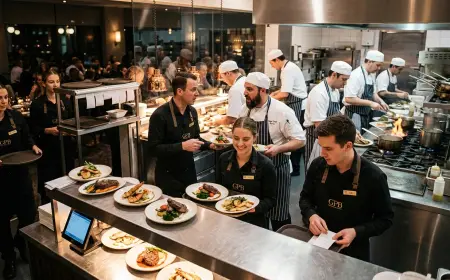
5. Coordination with Service Team
Communicate with front of house for order timing and special requests. Ensure timely dispatch of dishes.
6. Quality Check
Inspect dishes before service. Ensure correct portion size, presentation, and temperature.
7. Post-Service Cleanup
Clean workstations, store unused ingredients properly, and dispose of waste following hygiene standards.
Operational Workflow and Kitchen Service Sequence
A structured workflow ensures smooth kitchen operations and timely food delivery.
Step-by-Step Kitchen Workflow:
- Receive and store raw materials properly
- Prepare mise-en-place before service
- Organize workstation and tools
- Receive orders through kitchen display or tickets
- Prioritize orders based on service timing
- Prepare and cook dishes as per sequence
- Plate dishes according to presentation standards
- Conduct final quality check
- Dispatch food to service staff
- Maintain cleanliness during operations
Kitchen Timing Benchmarks:
• Mise-en-place preparation: 1–2 hours before service
• Order preparation time: 10–20 minutes (depending on dish)
• Plating and dispatch: within 2 minutes
• Cleaning cycle: continuous during service
• Post-service cleanup: 30–45 minutes
Maintaining these timelines ensures efficient kitchen performance and prevents service delays.
Food Preparation and Hygiene Standards
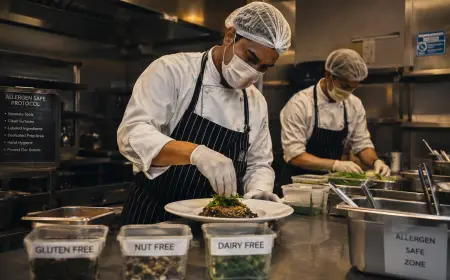
Hygiene and food safety are critical components of advanced basic kitchen operations training.
Personal Hygiene Standards:
• Wear clean uniform and protective gear
• Wash hands regularly before handling food
• Avoid cross-contamination
• Maintain grooming standards
Food Handling Standards:
• Store raw and cooked food separately
• Maintain correct temperature for storage
• Follow FIFO (First In First Out) method
• Use sanitized tools and surfaces
Workstation Hygiene:
• Clean surfaces before and after use
• Dispose of waste properly
• Avoid clutter in working area
• Maintain organized setup
Safety Practices:
• Handle knives and equipment carefully
• Follow fire safety procedures
• Use protective equipment when required
• Report hazards immediately
Maintaining hygiene standards ensures food safety and prevents contamination.
Tools and Equipment Used in Kitchen Operations
Efficient kitchen operations depend on proper use of tools and equipment.
Primary Equipment:
• Cooking ranges and ovens
• Refrigerators and freezers
• Cutting boards and knives
• Mixing and preparation tools
Support Equipment:
• Food processors and blenders
• Storage containers
• Weighing scales
• Thermometers
Handling Guidelines:
• Keep equipment clean and maintained
• Use tools for their intended purpose
• Check equipment before use
• Report malfunctioning tools immediately
Proper equipment handling improves efficiency and ensures safety in kitchen operations.
Service Standards and Performance Metrics
Advanced kitchen operations training includes defined performance standards to maintain quality and efficiency.
Key Performance Metrics:
• Order accuracy: 100%
• Food quality consistency: above 95%
• Preparation timing adherence: above 90%
• Hygiene compliance: 100%
• Wastage control: minimized
These metrics help maintain operational standards and improve overall kitchen performance.
Evaluation and Continuous Improvement
Regular evaluation ensures continuous improvement in kitchen operations.
Evaluation Methods:
• Supervisor monitoring during service
• Quality checks of prepared food
• Hygiene audits
• Staff performance reviews
• Feedback from service team
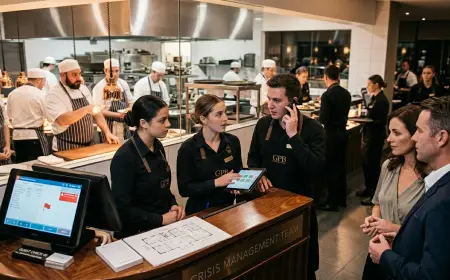
Common challenges include delays in preparation, poor coordination, and inconsistent quality. These can be addressed through proper SOP training, teamwork, and continuous monitoring.
Advanced basic kitchen operations training is essential for maintaining efficiency, hygiene, and food quality in professional kitchens. With structured workflows, proper coordination, and adherence to SOPs, kitchen staff can deliver consistent results and support smooth restaurant operations.
Also read: Automating the kitchen
Read more about Casual Dining Service Training here.