Expert Garnishing Techniques: Complete Training Guide with SOP & Professional Standards
Learn expert garnishing techniques training with SOP, plating precision, service coordination, and visual standards for hotel restaurant operations.
 Jyoti Kushwaha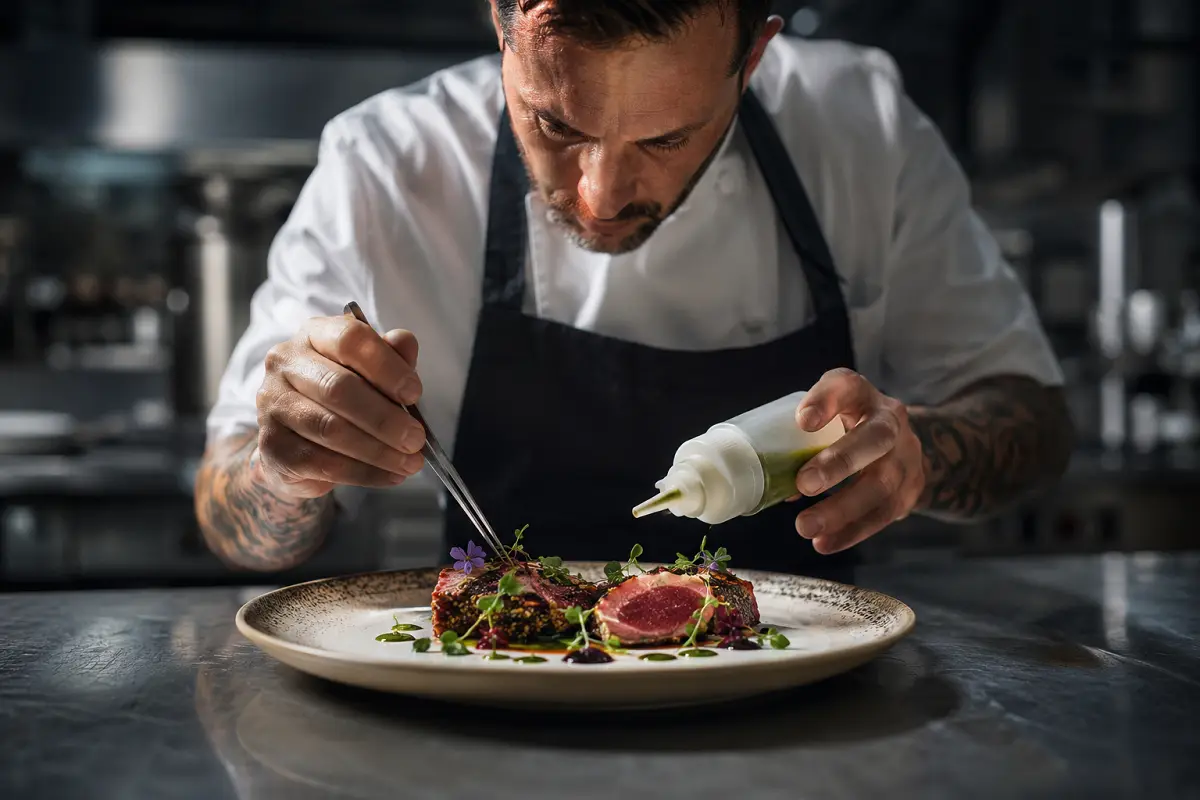
Experienced chefs on the pass keep repeating the same line garnish is where plates either tighten up or fall apart. Too much, too random, and the whole dish loses focus.
Overview of Expert Garnishing Techniques Training
Garnish is not decoration. It’s control on the plate. It sharpens the look, supports the flavor, and tells the guest the kitchen knows what it’s doing.
Guests see the garnish before they taste anything. And that first look sets the tone.
Done right, it lifts the dish. Done wrong, it distracts or confuses.
Keep it simple. Garnish must match the dish in flavor, color, and texture. And every plate must look the same coming out of the pass.
SOP Procedure for Garnishing Techniques
This is where discipline shows. No guesswork.
1. Garnish Selection
Pick garnishes that actually fit the dish. Flavor, texture, color. And only use fresh, edible items.
2. Preparation of Garnish
Wash and cut properly. Keep size and shape consistent across all plates.
3. Portion Control
Use less, not more. Don’t bury the dish under garnish.
4. Placement Technique
Place with intent. Top, side, or frame. But make it clean and balanced.
5. Color Balance
Use contrast to lift the plate. Avoid dull combinations.
6. Clean Presentation
No loose bits. No spills. Wipe the plate.
7. Final Inspection
Chef checks before it leaves. If it looks off, fix it.
8. Immediate Service
Send it out fast. Garnish fades quickly if it sits.
Pro tip: If the garnish doesn’t add something, remove it.
Operational Steps and Garnishing Workflow
Speed matters, but control matters more.
Step-by-Step Garnishing Workflow:
a. Take the plated dish from the cooking section
b. Check layout before adding anything
c. Pick the right garnish for that dish
d. Apply using correct method like placing, sprinkling, or layering
e. Adjust for balance and symmetry
f. Clean the plate edges
g. Send immediately to service
Common Garnishing Methods:
a. Herb placement like parsley, coriander, basil
b. Sauce work like dots, drizzles, lines
c. Vegetable cuts like curls or ribbons
d. Powder dusting like spices or cocoa
e. Microgreens for fine presentation
Operational Timing Benchmarks:
- Garnishing time per dish: 30 to 60 seconds
- Total plating and garnish: 2 to 5 minutes
- Dispatch after garnish: within 1 minute
Delay kills freshness. Garnish must land fast.
Guest Interaction and Service Presentation
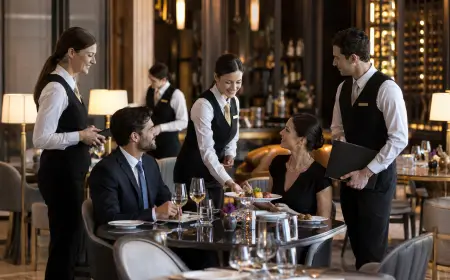
Service can’t ruin what the kitchen just fixed.
Service Standards:
a. Carry plates steady, no shaking
b. Keep garnish intact during movement
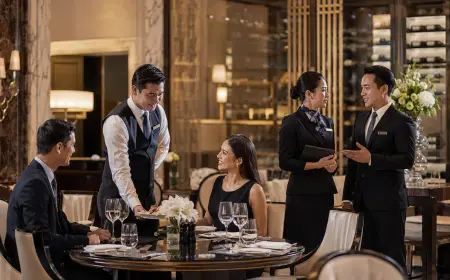
c. Present the dish facing the guest
d. Say the dish name clearly
Guest Communication:
a. Explain garnish when needed
b. Make it clear what is edible
c. Answer questions confidently
Handling Issues:
a. Replace the dish if garnish is damaged
b. Inform kitchen immediately
c. Stay calm and professional
Pro tip: One bad carry can undo perfect plating.
Tools and Equipment for Garnishing
Keep your station tight and ready.
Primary Tools:
a. Tweezers for precision placement
b. Garnishing knives for fine cuts
c. Squeeze bottles for sauces
d. Ring molds for shaping
Support Equipment:
a. Color-coded cutting boards
b. Garnish trays for quick access
c. Microplane or grater for fine work
d. Clean cloths for finishing
Usage Guidelines:
a. Keep tools clean and sanitized
b. Use separate tools for different food types
c. Keep garnish station organized
d. Prep garnishes before peak service
Messy station equals messy plates.
Service Standards and Performance Metrics
You track consistency, not creativity.
Key Performance Metrics:
a. Garnish consistency: 100%
b. Plate cleanliness: 100%
c. Portion accuracy: above 95%
d. Service timing within SOP
e. Guest feedback on presentation: strong
If plates don’t match, the standard is broken.
Evaluation and Continuous Improvement
Standards slip fast without checks.
Evaluation Methods:
a. Supervisor checks during service
b. Plate audits on the pass
c. Visual consistency checks
d. Guest feedback review
e. Staff skill evaluation
Watch for the usual problems. Too much garnish, random placement, weak coordination between sections.
Fix it with repetition, clear standards, and tight communication.
At the end, garnish is the final touch. Keep it sharp, controlled, and consistent every single plate.
Read more about Industry Level Food Presentation.