Step-by-Step Food Safety and Hygiene: Complete Training Guide with SOP & Professional Standards
Learn step-by-step food safety and hygiene training SOP with handling practices, kitchen standards, and operational procedures for hotel kitchens.
 Jyoti Kushwaha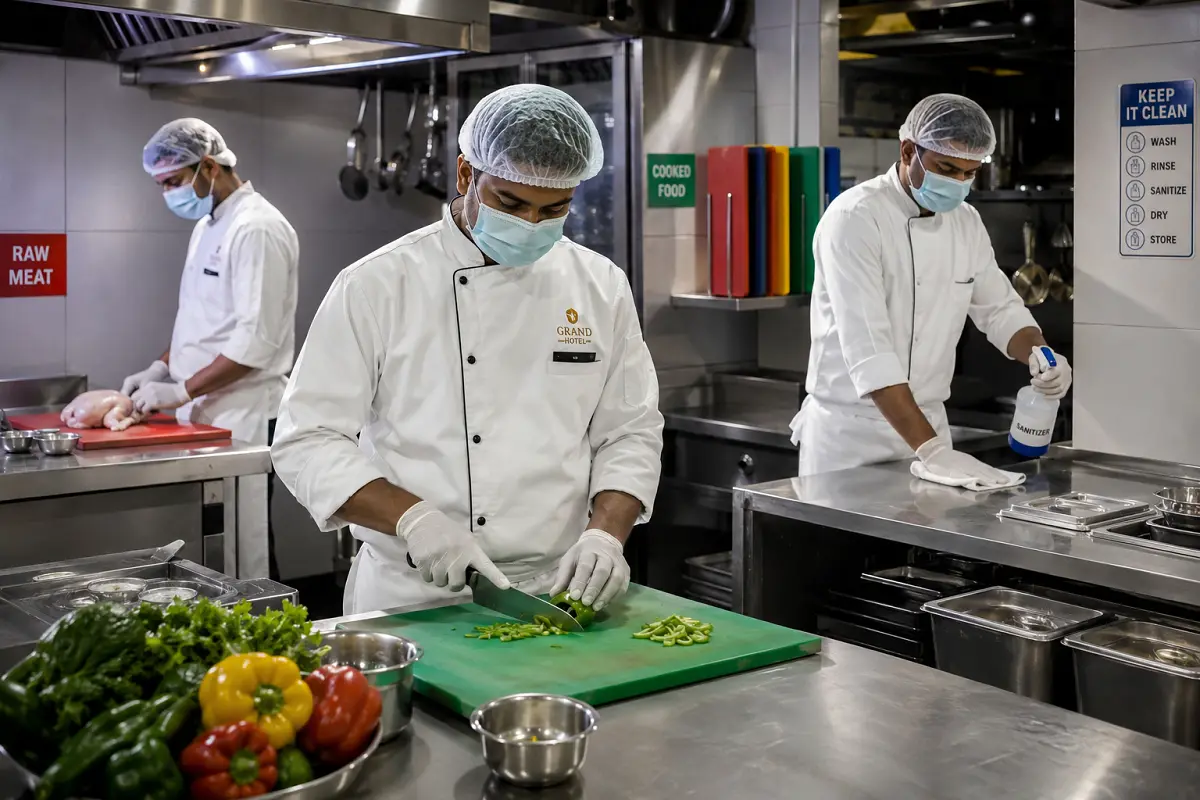
The pass is calling it out loud these days: one slip in hygiene, and the whole service goes sideways. This food safety and hygiene SOP is built for real kitchen pressure. It keeps your food clean, your team sharp, and your guests safe.
Overview of Food Safety and Hygiene in Kitchen Operations
Food safety is not theory. It’s daily discipline when you’re pushing volume.
In a working kitchen, hygiene decides whether service runs smooth or turns into damage control. Every plate leaving the pass must be safe, clean, and consistent.
This is not optional. It directly hits guest trust, brand image, and compliance checks. One mistake, and you feel it immediately on the floor.
Food safety covers personal hygiene, storage, cooking temperatures, and clean work zones. Miss any one of these, and you create risk.
This training locks in habits. Same standards. Every shift. No shortcuts.
SOP Procedure for Food Safety and Hygiene
This SOP is your daily routine. Follow it without thinking twice.
1. Personal Hygiene Preparation
Show up in clean uniform. Wash hands properly before touching anything. Nails trimmed. Hair covered. No excuses.
2. Workstation Setup
Start clean. Sanitize surfaces, tools, and equipment before prep begins. Keep your station tight and organized.
3. Safe Food Handling
Use clean hands or gloves. Never touch ready-to-eat food directly. Separate tools for separate food types.
4. Temperature Control
Control heat like a pro. Cooking, holding, storage. Use thermometers. Guesswork has no place here.
5. Cross-Contamination Prevention
Raw and cooked stay apart. Always. Use color-coded boards and tools to keep it clean.
6. Cleaning and Sanitization
Clean as you go. Sanitize after every task. Not later. Now.
7. Waste Management
Dump waste in the right bins. Don’t let garbage sit. It slows you down and kills hygiene.
8. Post-Shift Cleaning
End strong. Deep clean the entire kitchen. Reset for the next shift.
Operational Workflow for Food Safety Implementation
This is how you move during service. No breaks in discipline.
Step-by-Step Hygiene Workflow:
1. Wash hands before and after handling food
2. Sanitize workstation before prep
3. Check ingredient quality and expiry
4. Use separate tools for raw and cooked food
5. Cook food to correct temperature
6. Hold food safely at required temperatures
7. Serve using clean utensils only
8. Clean surfaces after each task
9. Dispose of waste immediately
10. Keep the kitchen clean throughout service
Operational Timing Benchmarks:
1. Hand washing every 20–30 minutes or after contamination risk
2. Surface cleaning after every prep task
3. Temperature checks every 2–4 hours
4. Waste disposal as needed during service
5. Deep cleaning after each shift
Stay consistent here. That’s what keeps the kitchen under control.
Guest Safety and Food Handling Interaction
Guests may not see your kitchen. But they feel your standards.
Service Interaction Standards:
1. Serve with clean, sanitized equipment
2. Never touch food directly while serving
3. Keep presentation clean and tight
4. Handle food safety questions with confidence
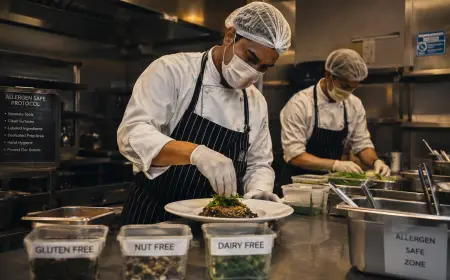
Allergen Awareness:
1. Know common allergens
2. Communicate clearly with guests
3. Inform kitchen about special requests immediately
4. Prevent cross-contact at all costs
Complaint Handling:
1. Act fast on any food safety complaint
2. Replace the dish immediately
3. Inform the supervisor and log it
Pro tip: Speed and honesty fix more problems than excuses.
Tools and Equipment for Food Safety and Hygiene
Your tools support your standards. Keep them in check.
Primary Equipment:
1. Hand wash stations with soap and sanitizer
2. Refrigerators and freezers with temperature control
3. Food thermometers
4. Color-coded cutting boards
Support Equipment:
1. Disposable gloves and hairnets
2. Cleaning chemicals and sanitizers
3. Waste bins with lids
4. Covered storage containers
Handling Guidelines:
1. Clean and sanitize tools regularly
2. Use only food-grade cleaning materials
3. Replace damaged equipment immediately
4. Store cleaning supplies properly
Clean tools. Clean food. Simple.
Service Standards and Performance Metrics
This is what you’re measured on. No grey areas.
Key Performance Metrics:
1. Hygiene compliance: 100%
2. Temperature accuracy: 100%
3. Cross-contamination incidents: zero tolerance
4. Cleaning frequency adherence: above 95%
5. Guest safety complaints: minimized
Miss these, and service friction shows up fast.
Evaluation and Continuous Improvement
Good kitchens check themselves daily.
Evaluation Methods:
1. Supervisor hygiene inspections
2. Temperature log checks
3. Food safety audits
4. Staff performance reviews
5. Guest feedback tracking
Common issues? Inconsistent habits, careless handling, lack of awareness.
Fix them with training, repetition, and strict follow-through.
At the end of the day, food safety is discipline. Hold the line, follow the SOP, and your kitchen will run clean, safe, and sharp every service.
Read more about professional knife skills here.