Wine Tasting Procedure
 Saurav Sarkar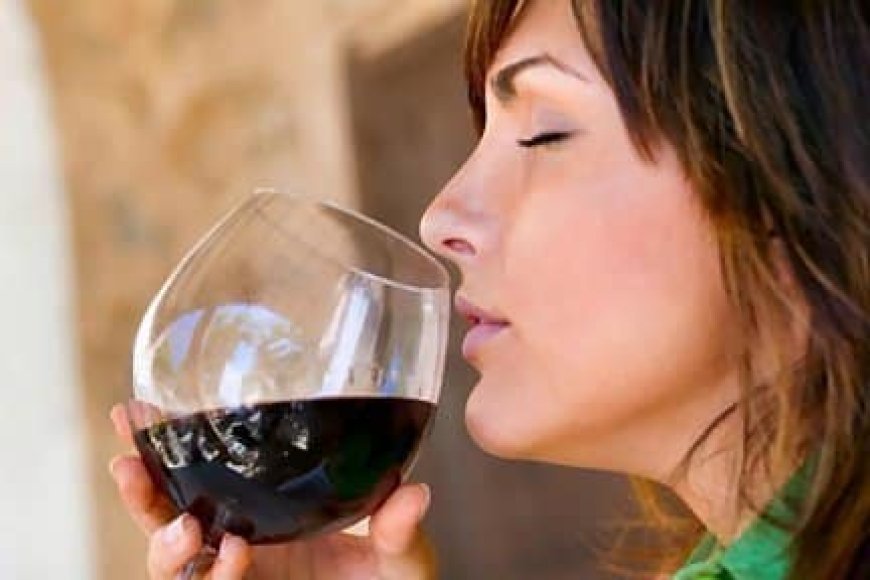
As a Food & Beverage Service Professional you need to know the procedure to taste wine. This article will give you a good overview on wine tasting.
For more Food & Beverage service tutorials and SOP check our training manual HERE.
Things to remember:
- The perfect measure for a wine testing glass is:
- 6 in (152 mm) High.
- Able to hold 7 fl oz. (215 ml).
- The glass is usually filled about 1/5 of the capacity for tasting purposes.
- The tall funnel shape is designed to hold aroma or bouquet so that the taster can smell.
- Ensure there is a long enough stem to keep the hand away from the bowl since professional tasters often hold the glass by its foot.
- Arrange a thin glass for testing as the wine could be tasted vividly from thin glass.
- Remember the more watery and brown the wine, the older the wine.
Wine Tasting Procedures
 Ensure the following things:
- Appropriate arrangements and guidance are provided.
- Wine testing glasses are clean, polished and spotless.
- The labels of the wine bottles are easily observable.
- A verdict form is to mark off each section is handed out.
- The waiter must be professional and efficient.
- The look of a wine must be able to describe:
- It’s vintage.
- Hint at the grape.
- Origin.
- Tip the glass away from you to give a first look to ensure:
- Perfect color.
- Clearness.
- Visual texture of the wine.
- Look at the rim of the liquid by keeping it on a piece of white paper.
Swirl
- To remove any unwanted odor, forcefully swirl the wine around the glass for a moment.
- Continue to swirl the wine to volatize its aroma.
There are two types of processes for testing:
- Vertical: To taste same wine from different Vintages.
- Horizontal: To taste different wines of the same type in a single vintage.
Remember while testing
The ideal conditions for a testing should be:
- Clean.
- Well lit place without the Suggestive power of Atmosphere.
- No smell of wine barrels.
- Away from friendly gossip.
- Do not contain the chunk of cheese, ham, salami or bread.
Sniff
- You must sniff a wine before tasting which can tell you more about a wine than anything else.
- While sniffing, concentrate only in sniffing since first impressions are crucial and vital.
- To determine whether the wines fresh and clean, take one long sniff or a few brief ones.
Sip
- Take a liberal sip, a third of a mouthful, suck air between your teeth and through the liquid and “Chew” it so that it can reaches all parts of your mouth.
- Hold the wine in your mouth for a little longer so that you can realize as much flavor as possible.
- Concentrate on the flavor to identify is there just one flavor, or do several contribute to a “complex” overall effect.
- And then focus on the texture of the wine.
- The final verdict comes if the volatile compounds rise into the upper nasal cavity.
Spit
- Spit a wine out to get rid of a lengthy tasting.
- If you want to have the tasting for long time then do not spit.