Hotel Standard Revenue Simple Management Training for Front Office
hotel standard revenue management with SOP, pricing strategies, and front office workflow for maximizing revenue and occupancy.
 Shah Vaibhavi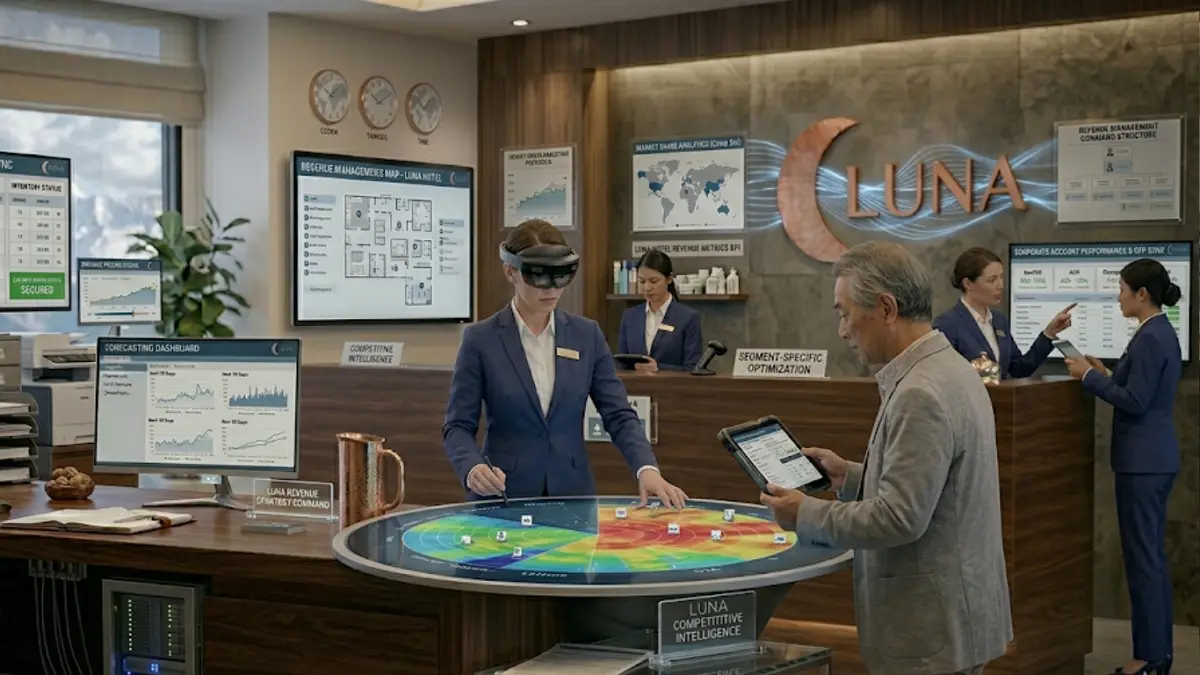
Hotel standard revenue: Senior Front Office Leads are flagging one thing right now rooms aren’t the problem, pricing discipline is. And that’s where the desk either drives revenue or leaks it.
Overview of Hotel Standard Revenue Management
Hotel standard revenue management is simple on paper, sell the right room, to the right guest, at the right price, at the right time.
At the desk, it’s not theory. It’s decisions, fast ones.
You’re balancing:
-
Demand vs availability
-
Rate vs occupancy
-
Guest expectation vs hotel profit
For hotel standard revenue front office is directly tied to this. Every walk-in, every rate quote, every upgrade, you’re influencing revenue.
Get it right:
-
Rooms fill at the right price
-
Fewer empty nights
-
Better profits
Get it wrong:
-
Undersell rooms
-
Drop rates unnecessarily
-
Lose revenue you can’t recover
Pro-tip: A full hotel at the wrong rate is still a loss.
SOP Procedure for Revenue Management
Step 1: Demand Forecasting
Check past data, current bookings, and market trends. Know what’s coming before it hits.
Step 2: Rate Planning
Set rates based on demand, season, and competitors. Don’t guess, follow data.
Step 3: Inventory Management
Control room availability tightly across all channels.
Step 4: Channel Distribution
Split inventory smartly—OTAs, direct bookings, corporate.
Step 5: Rate Update
Adjust rates daily. Sometimes hourly in peak demand.
Step 6: Reservation Monitoring
Track booking pace. Spot trends early.
Step 7: Overbooking Control
Use it carefully. Controlled, not careless.
Step 8: Upselling Implementation
Push upgrades and add-ons at the desk. Every interaction is a chance.
Step 9: Reporting
Track ADR, RevPAR, occupancy daily. Numbers tell the truth.
Step 10: Review and Adjustment
Fix what’s not working. Immediately.
Pro-tip: Revenue management is not set-and-forget. It’s constant adjustment.
Front Desk Workflow and Operational Steps
-
Pre-Shift Review: Know occupancy, arrivals, departures before you start
-
Rate Verification: Check system rates, no mismatches
-
Walk-in Handling: Quote smart, not cheap
-
Reservation Coordination: Keep availability updated live
-
Room Allocation: Assign strategically for upgrades and control
-
Upselling Opportunities: Offer better rooms confidently
-
Peak Period Management: Hold rates firm when demand is high
-
Shift Handover: Pass on rate changes and booking status clearly
If the desk is not aligned with pricing, the whole strategy breaks.
Guest Interaction and Revenue Optimization Techniques
Rate Communication
Be clear. No confusion on price, inclusions, or policies.
Upselling Techniques
-
Room Upgrade: Push higher category with benefits
-
Early Check-in / Late Check-out: Charge based on availability
-
Packages: Add meals or services
Handling Rate Objections
-
Explain value—location, service, facilities
-
Offer alternatives—not discounts first
-
Negotiate only within policy
Walk-in Guest Strategy
Don’t drop rates just to close. Sell at best available rate.
Corporate and Long Stay Guests
Use contracted rates. Adjust based on stay length.
Closing Interaction
Confirm everything. No last-minute confusion.
Pro-tip: Confidence sells more upgrades than discounts ever will.
Tools and Systems Used in Revenue Management
-
Property Management System (PMS): Rates, reservations, guest data
-
Central Reservation System (CRS): Distributes inventory
-
Channel Manager: Syncs rates and availability across OTAs
-
Revenue Management System (RMS): Gives pricing direction
-
Market Intelligence Tools: Track competitor rates
-
Reporting Tools: Daily revenue tracking
Systems guide you. But the desk decisions make the difference.
Service Standards and Performance Metrics
-
Occupancy Rate: Rooms sold daily
-
Average Daily Rate (ADR): Revenue per sold room
-
Revenue per Available Room (RevPAR): Overall performance
-
Booking Conversion Rate: Inquiry to booking success
-
Upselling Revenue: Extra revenue per guest
-
Rate Accuracy: No mismatched pricing
-
No-Show Percentage: Keep it low
-
Overbooking Control: Balanced, not risky
Miss these, and revenue slips quietly.
Evaluation and Training Assessment
-
Daily Revenue Review: Check ADR, RevPAR, occupancy
-
Supervisor Monitoring: Test staff rate knowledge
-
Audit Checks: Verify pricing and bookings
-
Guest Feedback Analysis: Watch pricing complaints
-
Performance Reviews: Track upselling and conversion
-
Market Comparison: Stay competitive, not reactive
-
Training Programs: Focus on pricing and system control
Pro-tip: Strong revenue teams don’t chase bookings, they control them.
Conclusion
Hotel standard revenue management is where strategy meets the front desk. Pricing, availability, and guest interaction all connect here.
When the desk understands rates, sells confidently, and stays aligned with systems, revenue grows.
And when it doesn’t, the hotel feels it immediately.
Also read: Learn guest satisfaction strategies with front office SOP