Complete Menu Engineering Guide: Complete Training Guide with SOP & Professional Standards
Learn complete menu engineering training with SOP, menu analysis, pricing strategy, and profitability techniques for restaurant operations.
 Jyoti Kushwaha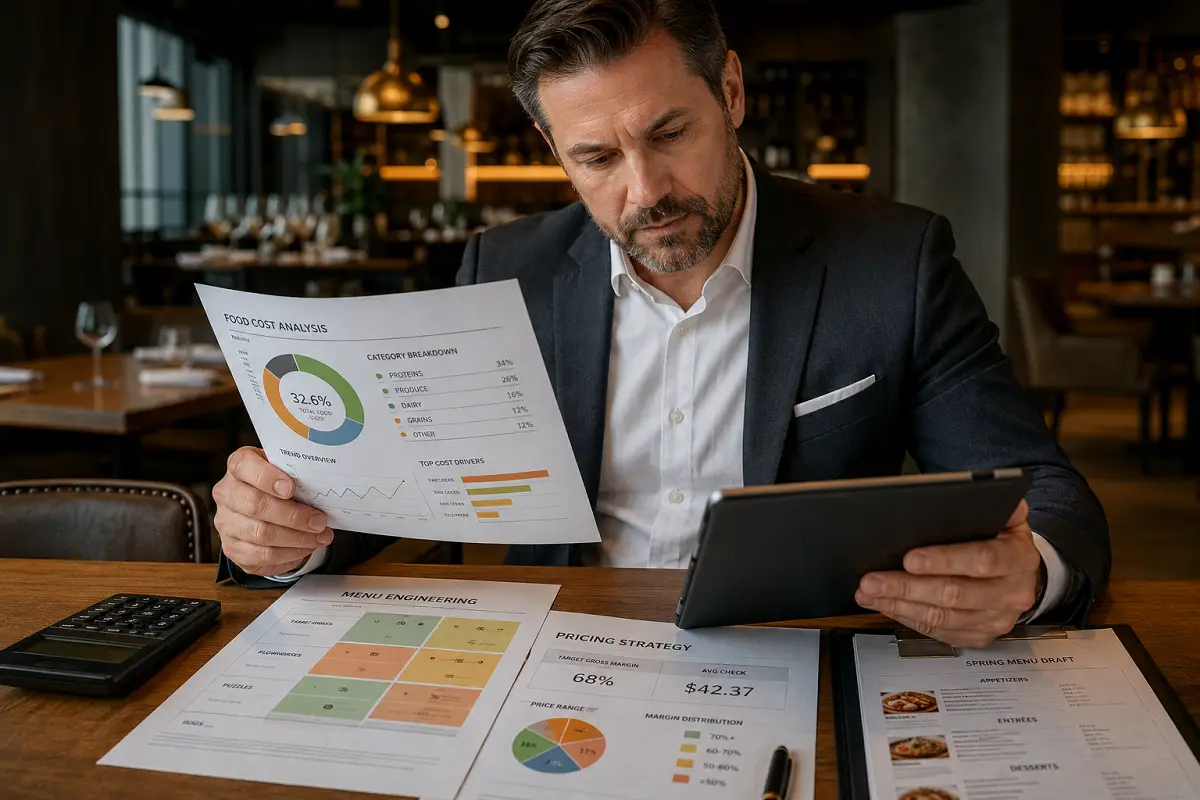
The latest feedback from the floor is clear. Your menu is either selling for you or working against you. There is no middle ground.
Overview of Menu Engineering Training
Menu engineering is how you stop guessing and start controlling profit. You track what sells and what actually makes money.
A menu is not just a list. It drives guest decisions and shapes your revenue every shift. Get it wrong and you carry slow movers, high costs, and dead weight on every service.
You break every dish down by profit and popularity. Then you act on it. Keep the winners visible. Fix the weak ones. Cut what does not move.
This training builds that discipline. Numbers first. Decisions after.
SOP Procedure for Menu Engineering
Follow this step by step. No shortcuts.
1. Data Collection
Pull sales data for each item over a fixed period. Focus on quantity sold and revenue.
2. Recipe Costing
Cost every dish using standard recipes and current ingredient prices. No rough estimates.
3. Contribution Margin Calculation
Selling price minus food cost. That is your real profit per plate.
4. Popularity Analysis
Track how often each item sells against total orders.
5. Menu Classification
Sort items clearly:
• Star. High sales, high profit
• Plowhorse. High sales, low profit
• Puzzle. Low sales, high profit
• Dog. Low sales, low profit
6. Strategy Implementation
Adjust pricing, portions, or push strategy based on category.
7. Menu Redesign
Push high-profit items into strong positions. Stop hiding your best earners.
8. Performance Monitoring
Review regularly. Menus are not static.
Pro tip. If you are not reviewing monthly, you are already behind.
Operational Steps and Menu Engineering Workflow
This is your control cycle. Keep it tight and repeat it.
Step-by-Step Workflow:
• Pull daily sales data from POS
• Cost each menu item accurately
• Calculate contribution margins
• Compare popularity across items
• Place items into the matrix
• Identify winners and weak links
• Adjust pricing or portions where needed
• Update menu layout and positioning
• Brief service team on what to push
• Monitor results and repeat
Operational Benchmarks:
• Food cost percentage between 25 to 35 percent
• Strong contribution margins across key items
• Menu mix led by star items
• Steady sales growth
Operational Controls:
• Keep sales data accurate. No wrong entries
• Stick to standard recipes for costing
• Watch high-cost ingredients closely
• Avoid constant menu changes without reason
Consistency beats constant change.
Guest Interaction and Menu Influence Techniques
Your service team is your sales engine. Train them right.
Service Interaction Standards:
• Push star items confidently
• Speak clearly when recommending dishes
• Know the menu inside out
• Keep it natural, not forced
Upselling Techniques:
- Add sides, extras, and beverages
- Highlight chef specials
- Guide guests toward premium items
Menu Presentation Impact:
• Place high-profit items where eyes land first
• Use clear names and pricing
• Keep layout clean and easy to scan
Handling Guest Preferences:
• Match dishes to guest taste quickly
• Offer alternatives without hesitation
• Take orders right the first time
Wrong orders kill margins. Fix that at the table.
Tools and Equipment for Menu Engineering
You need solid tools. But only if you use them properly.
Primary Tools:
• POS system for sales data
• Recipe costing sheets
• Menu engineering matrix
• Inventory software
Support Equipment:
• Spreadsheets for analysis
• Reporting tools
• Menu design software
• Cost tracking systems
Usage Guidelines:
• Enter data correctly every time
• Update recipe costs regularly
• Keep menu format consistent
• Review reports often
Bad data gives bad decisions. Simple.
Service Standards and Performance Metrics
Track these or lose control.
Key Performance Metrics:
• Food cost within target range
• Strong contribution margins
• High share of star items in sales
• Regular item performance reviews
• Steady revenue growth
• Strong guest satisfaction
If margins drop, look at the menu first.
Evaluation and Continuous Improvement
This is not a one-time job. Stay on it.
Evaluation Methods:
• Monthly menu analysis
• Track sales trends
• Review cost changes
• Study guest feedback
• Evaluate team performance
Common issues show up fast. Wrong data, weak pricing, no follow-up. Fix them with discipline and regular checks.
A strong menu does the selling for you. Control it properly and your revenue stays consistent, your costs stay tight, and your floor runs smoother every service.
Read more about professional inventory management.