Air China Raises $294M via 30-Day Bond at 1.38%
Air China raises $294 million through 30-day commercial paper at 1.38%, supporting liquidity as flight capacity expands in 2026.
 Jishan Khan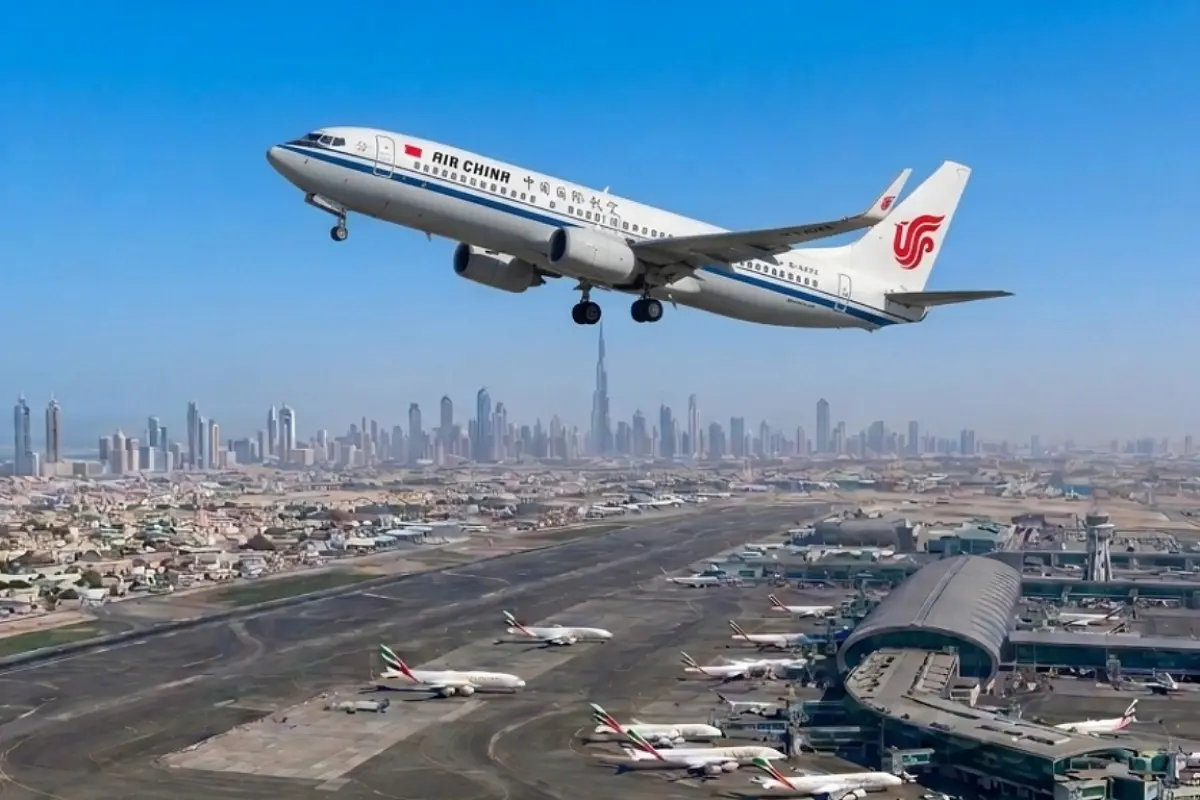
Air China raised USD 294 million through ultra-short-term commercial paper in China's interbank bond market on May 15, 2026. The CNY 2 billion issuance carries a 1.38% coupon rate and matures in just 30 days on June 17.
A 30-day loan at 1.38% sounds like a footnote in a quarterly report. It is not.
What Air China Actually Just Did
Ultra-short-term commercial paper is essentially a company borrowing money from the market for a very short window, in this case, one month, at a fixed interest rate. Think of it like a bridge loan, but through a bond market instead of a bank.
The 1.38% coupon tells you something important. That is a low borrowing rate. It signals that the market trusts Air China enough to lend cheap and short. For an airline still working through the financial turbulence of the post-pandemic recovery, that trust has a real dollar value.
The Bigger Picture Behind This Move
Air China is not raising this money because it is in trouble. It is raising it because expansion is expensive and cash flow timing matters.
Air China's 2026 summer-autumn schedule runs an average of 1,766 daily flights, up 12% year-on-year, with international capacity growing even faster at 15%. More flights mean more fuel contracts, more crew costs, more ground handling fees, all of which need to be paid before the ticket revenue fully comes in.
Short-term paper like this fills that gap cleanly. You borrow for 30 days, cover your operational costs, collect your revenue, and repay. It is the financial equivalent of topping up your tank before a long drive.
China's big three carriers, Air China, China Eastern and China Southern, have all been aggressively restoring and expanding international routes through 2025 and into 2026, and that expansion does not come free. Capital has to move before passengers do.
What This Means for Passengers and the Industry
Here is the part that rarely gets said plainly. When airlines manage their liquidity well, they compete harder. They launch routes, add frequencies and keep fares under pressure. When they manage it badly, they pull back, and your options shrink while your ticket prices quietly creep up.
Air China borrowing smart and cheap right now is a signal that the airline is in growth mode, not survival mode. For travelers on China's international network, that is the difference between more seats and fewer.
The 30-day clock started May 15. By the time it runs out, Air China will already be onto the next move.