Akasa Air and IndiGo Slash Flights at India's Newest Airports
Akasa Air and IndiGo have suspended select flights from Noida and Navi Mumbai airports, highlighting early connectivity and demand challenges.
 Jishan Khan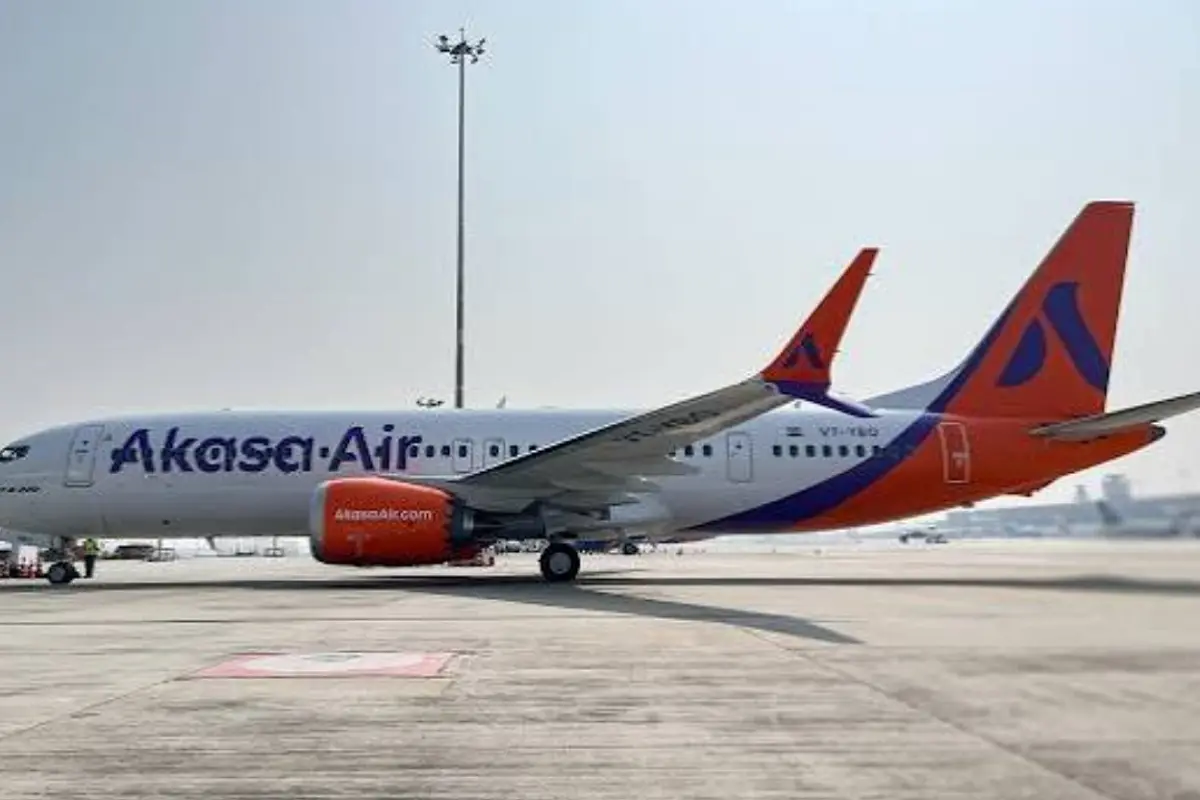
India's Two Newest Airports Are Already Losing Flights, the Problem Is Not the Terminals
Akasa Air suspended its direct service between Noida International Airport at Jewar and Navi Mumbai International Airport on July 12, 2026, less than a fortnight after the route launched, citing network optimisation and weak demand. IndiGo simultaneously suspended its Noida to Chandigarh service. Both airports opened within weeks of each other. Both are already losing scheduled flights.
Two of the most anticipated airport openings in Indian aviation history. Two airlines pulling routes before the inaugural month was over.
What Killed the Route Before It Could Build
The Noida-Navi Mumbai suspension was not a scheduling error or a capacity misjudgement. It was killed by three specific problems on the ground that no airline schedule can fix from the air. Getting from central Delhi to Jewar requires either an expensive taxi or a journey on the Yamuna Expressway that takes 60 to 90 minutes depending on traffic, with no metro connection currently operational. Getting from central Mumbai to Navi Mumbai's airport in Ulwe carries the same problem in reverse, prohibitive taxi costs and no mass rapid transit link. Passengers flying between India's two newest airports were spending more time and money reaching the departure gate than the flight itself saved them.
High airport charges levied on airlines at both new facilities added the final layer of commercial difficulty. A route struggling with thin demand and high access costs becomes unviable even faster when the airport fees reduce the margin on every seat sold.
Akasa Air was direct about what it actually did with the capacity. Rather than suspending the aircraft, the airline immediately added two daily flights on the established Mumbai to Noida route, flying between the two cities' existing main airports where passengers already know how to get there and are proven to book. The demand between Delhi-NCR and Mumbai is not in question. The demand for the specific airport pair is what failed.
A Pattern Playing Out Across Both New Airports
Noida International Airport opened commercial operations on June 16, 2026 after missing three separate deadlines, September 2024, April 2025, and May 2026, before finally launching with IndiGo and Akasa Air together operating 12 daily departures. Within a month, IndiGo had pulled its Chandigarh service and Akasa had suspended Navi Mumbai. Navi Mumbai International Airport opened its first international cargo and passenger services in mid-July 2026 to similarly cautious initial airline commitment.
Neither airport is failing commercially in any permanent sense. The infrastructure is there, modern terminals, functional runways, strong long-term catchment populations. The problem is the gap between opening a terminal and creating the surface connectivity, passenger familiarity and pricing ecosystem that fills aircraft reliably. That gap takes months to close, sometimes years, and airlines operating on thin margins with limited fleets cannot afford to subsidise the process.
The Singapore Changi Lesson India Has Not Applied
Changi Airport did not become the world's best connected hub because of its terminal design. It became what it is because Singapore simultaneously built MRT connections into the airport, kept airport charges among the lowest in Asia for decades, and gave airlines commercial incentives to base operations there rather than treating them as revenue sources from day one. Every new airport that has succeeded commercially has done the same, removed the surface connectivity barrier and made the financial proposition attractive for airlines to commit.
Noida and Navi Mumbai were both built to relieve congestion at their respective cities' saturated primary airports. They will eventually do that job. But the government agencies, airport operators and urban transport planners responsible for metro links, highway access and pricing structures need to move at the same pace as the terminal construction, not years behind it. Until that gap closes, airlines will keep optimising away from the new airports and back toward the old ones where passengers already know how to arrive on time.
Akasa says October 1 is the resumption date. Whether the ground access situation improves enough by then to make the route viable is a question no airline can answer from its scheduling desk.