Owners of Israel’s Arkia Seek New Bidders in Renewed Effort to Sell Airline
Owners of Israel’s Arkia airline are seeking new bidders as they revive efforts to sell the carrier amid changing market conditions and strategic restructuring.
 Jishan Khan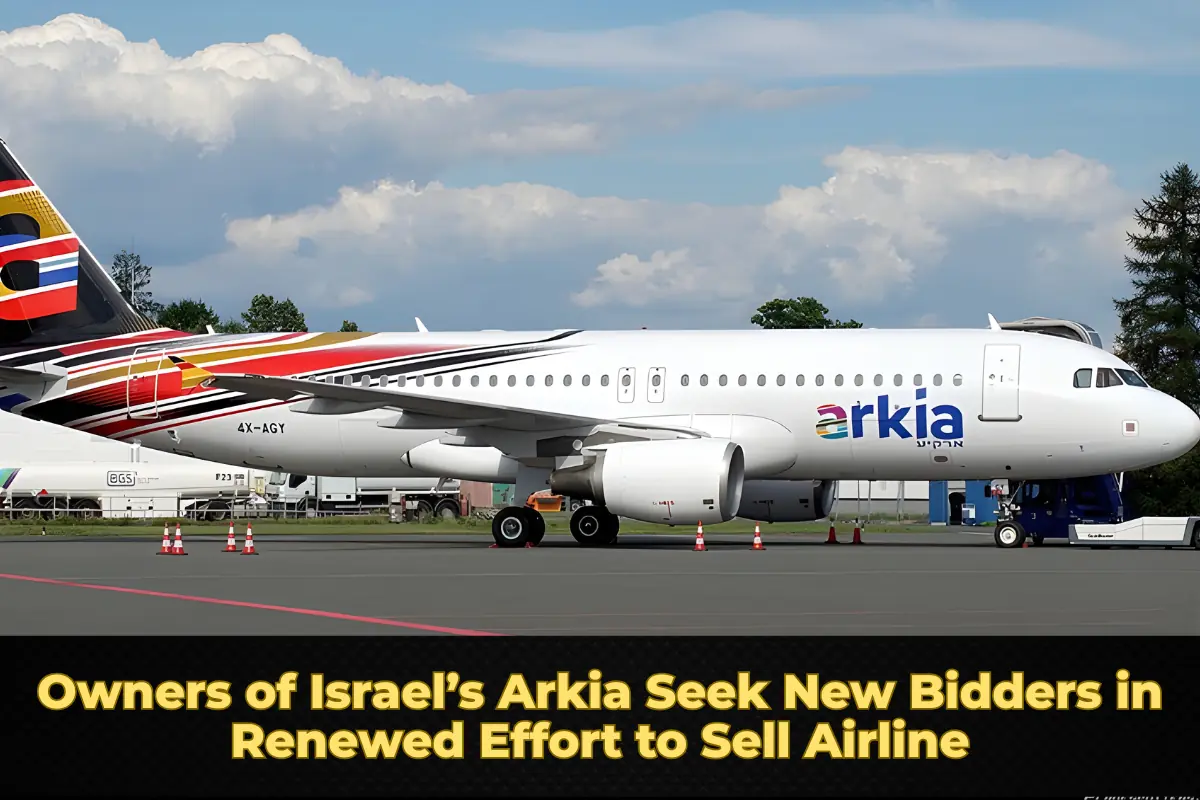
The owners of Israeli carrier Arkia are actively seeking new bidders in a renewed effort to sell the airline, according to developments reported in 2026, as stakeholders aim to restructure ownership and secure long-term financial stability in a competitive aviation market.
The move comes after earlier attempts to divest the airline did not result in a finalized transaction, prompting shareholders to reopen the process and engage with potential investors. The decision reflects shifting market dynamics, evolving investor interest, and the need to strengthen Arkia’s strategic position within Israel’s aviation sector.
Renewed Sale Process
Arkia’s owners have initiated a fresh round of discussions with prospective buyers, signaling a renewed push to find suitable investors willing to acquire a stake in the airline. The process is expected to involve evaluating multiple bids, assessing financial offers, and identifying partners capable of supporting the carrier’s long-term growth.
The renewed effort follows previous attempts to sell the airline that did not lead to a successful deal, highlighting the complexities involved in airline acquisitions. Market conditions, valuation differences, and strategic considerations often play a significant role in shaping such transactions.
By reopening the bidding process, Arkia’s owners are aiming to attract a broader pool of investors, including both domestic and international stakeholders, who may see potential in the airline’s operations and market position.
Background on Arkia
Arkia is one of Israel’s key airlines, operating both domestic and international flights. The carrier plays an important role in connecting Israeli cities and serving regional destinations, contributing to tourism and economic activity.
The airline has historically focused on leisure travel, offering services to popular vacation destinations alongside domestic routes. Its operations complement those of larger national carriers, providing additional capacity and competition in the market.
Like many airlines globally, Arkia has faced challenges in recent years, including fluctuating demand, rising operational costs, and increased competition from both low-cost and full-service carriers.
Strategic Motivation for Sale
The decision to pursue a sale is driven by a combination of financial and strategic factors. Bringing in new investors could provide Arkia with access to capital needed for fleet upgrades, route expansion, and operational improvements.
Ownership changes may also enable the airline to adopt new business strategies, enhance efficiency, and strengthen its competitive position. In a rapidly evolving aviation landscape, access to investment and strategic partnerships is increasingly critical for growth and sustainability.
For existing shareholders, the sale represents an opportunity to realize value from their investment while ensuring the airline’s future development under new ownership.
Market Conditions and Investor Interest
The renewed sale effort comes at a time when the global aviation industry is experiencing a gradual recovery, with improving travel demand and increased investor interest in airline assets. However, the sector remains sensitive to external factors such as fuel prices, geopolitical risks, and economic conditions.
Potential investors are likely to carefully evaluate Arkia’s financial performance, market position, and growth prospects before submitting bids. Factors such as profitability, route network, and fleet composition will play a key role in determining the attractiveness of the airline.
The level of interest from investors will ultimately influence the outcome of the sale process and the valuation of the airline.
Competitive Landscape in Israel
Israel’s aviation market is characterized by strong competition among domestic carriers and international airlines operating in the region. Arkia competes with both established national airlines and low-cost carriers that offer competitive pricing and extensive networks.
To remain competitive, Arkia must continuously adapt its business model, optimize operations, and enhance customer offerings. A successful sale could provide the resources and strategic direction needed to achieve these objectives.
The entry of a new investor may also lead to changes in the airline’s strategy, including potential expansion into new markets or increased focus on specific segments.
Potential Buyers and Deal Structure
While specific details about potential bidders have not been disclosed, the sale process is expected to attract interest from a range of investors, including aviation groups, private equity firms, and strategic partners.
The structure of the deal could vary, with options including a full acquisition, partial stake sale, or strategic partnership. The final arrangement will depend on negotiations between Arkia’s owners and interested parties.
Regulatory approvals may also be required, particularly if the transaction involves foreign investors, adding another layer of complexity to the process.
Operational and Financial Considerations
For Arkia, securing new investment is likely to be critical for addressing operational challenges and supporting future growth. Airlines require significant capital to maintain fleets, comply with regulatory standards, and invest in technology and customer service.
The outcome of the sale process will have implications for the airline’s financial health, operational strategy, and long-term viability. A well-structured deal could position Arkia for sustained growth and competitiveness.
Conversely, delays or lack of investor interest could prolong uncertainty and limit the airline’s ability to implement strategic initiatives.
Industry Trends and M&A Activity
The aviation industry has seen increased merger and acquisition activity as airlines seek to consolidate, expand networks, and improve efficiency. Strategic investments and partnerships have become key tools for navigating a complex and competitive environment.
Arkia’s sale process is part of this broader trend, reflecting the importance of capital and collaboration in achieving long-term success. Investors are increasingly looking for opportunities to participate in the recovery and growth of the aviation sector.
The outcome of the sale could also influence market dynamics in Israel, potentially reshaping competition and connectivity.
Future Outlook
Looking ahead, the success of Arkia’s renewed sale effort will depend on its ability to attract credible investors and negotiate favorable terms. The airline’s strategic importance in Israel’s aviation market may enhance its appeal to potential buyers.
If a deal is successfully concluded, Arkia could enter a new phase of development, supported by fresh capital and strategic direction. This could lead to expanded operations, improved services, and stronger market positioning.
The process will be closely watched by industry stakeholders, as it may set a precedent for future transactions in the region.
Current Status
Arkia’s owners are actively seeking new bidders as they relaunch efforts to sell the airline, with discussions ongoing and no final agreement reached at this stage.