CVSky Launches Operations with ATR72 Wet-Lease Fleet in Cabo Verde
CVSky has launched operations in Cabo Verde using wet-leased ATR72 aircraft, marking a new entrant in the regional aviation market.
 Jishan Khan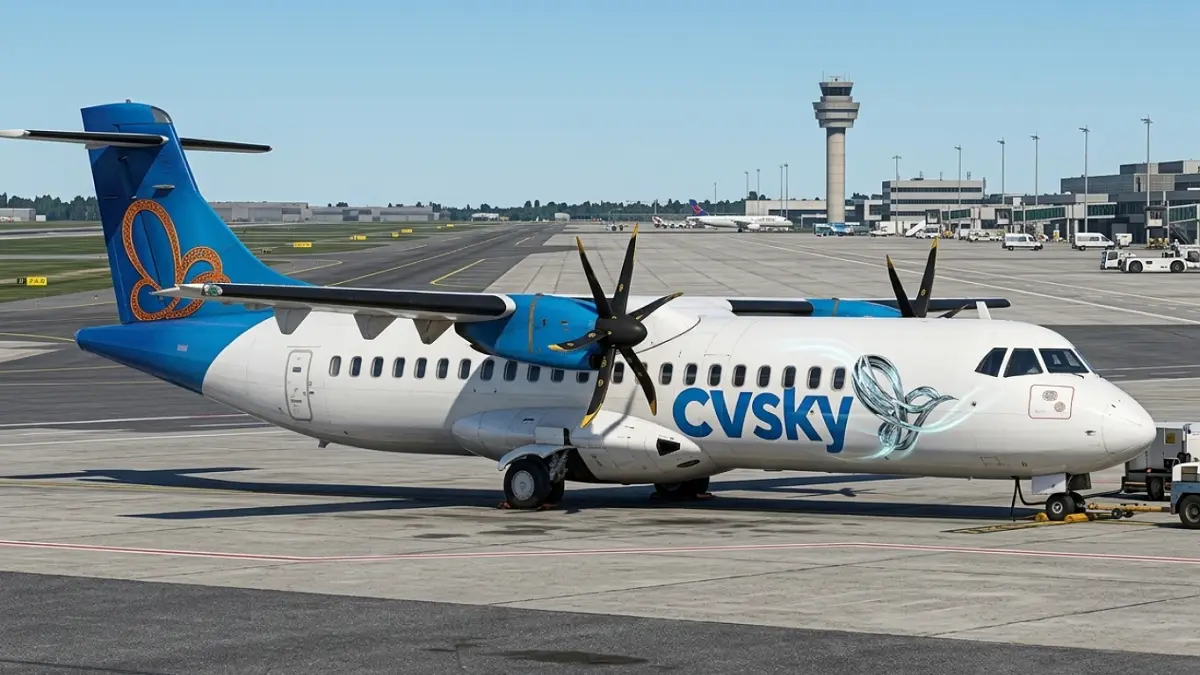
CVSky has commenced flight operations in Cabo Verde using wet-leased ATR72 turboprop aircraft, marking its entry into the regional aviation market and signaling a new phase of connectivity development across the island nation’s domestic and short-haul network.
The startup carrier has opted for a wet-lease model to begin services, allowing it to deploy aircraft along with crew, maintenance, and insurance support as it establishes its operational footprint in the West African archipelago.
Fleet and Leasing Strategy
CVSky’s initial operations are centered on ATR72 aircraft, a widely used regional turboprop known for its efficiency on short-haul routes and suitability for operations in island and remote environments. The use of wet-leased aircraft enables the airline to bypass the immediate need for its own air operator certification infrastructure and internal crew base.
Under the wet-lease arrangement, the aircraft provider supplies not only the aircraft but also pilots and technical support, ensuring regulatory compliance and operational readiness from day one. This approach is commonly used by new entrants to accelerate market entry while reducing upfront operational complexity.
The ATR72 platform is particularly well-suited for Cabo Verde’s geography, offering the ability to operate efficiently between islands with relatively short runways and fluctuating passenger demand.
Operational Focus and Network Role
CVSky is expected to focus on strengthening inter-island connectivity within Cabo Verde, where air transport plays a critical role due to limited maritime alternatives and the dispersed nature of the country’s islands.
Regional turboprop operations are essential for maintaining frequent and reliable links between key population centers and economic hubs. The introduction of additional capacity through CVSky’s entry could contribute to improved scheduling flexibility and network resilience.
The airline’s deployment of ATR72 aircraft suggests an emphasis on optimizing load factors and operational costs, as turboprops are generally more economical than jet aircraft on short sectors.
Market Entry Context
The launch of CVSky comes amid ongoing efforts to enhance air connectivity in West Africa, where regional aviation markets continue to evolve with the entry of new operators and restructuring of existing carriers.
Wet-leasing has become an increasingly common strategy for airlines entering smaller or developing markets, providing immediate access to operational capabilities without long lead times associated with fleet acquisition and certification processes.
In Cabo Verde, where tourism and inter-island mobility are key economic drivers, additional airline capacity can support both domestic travel and connections to international services.
Industry Implications
The introduction of CVSky adds another player to the regional aviation landscape, potentially increasing competition and capacity on domestic routes. The use of ATR72 aircraft aligns with broader industry trends favoring fuel-efficient and right-sized aircraft for regional operations.
Leasing structures such as wet leases also highlight the growing role of flexible fleet solutions in enabling airlines to adapt quickly to market conditions while minimizing financial risk.
As CVSky continues to develop its operations, its reliance on leased aircraft may evolve depending on market performance and long-term strategic planning.
Current Status
With operations now underway, CVSky is actively utilizing its wet-leased ATR72 fleet to establish services within Cabo Verde. The airline’s initial phase is focused on building operational stability and route presence, supported by the flexibility of its leasing model.
The launch represents a step toward strengthening regional air connectivity, with further developments likely to depend on market demand and the airline’s future fleet and network decisions.