Dense Fog Damages Air India A350 Engine, Grounds Aircraft in New Delhi
Air India grounds an Airbus A350 at Delhi after dense fog and ice caused engine damage, highlighting weather risks and aircraft operability challenges.
 Jishan Khan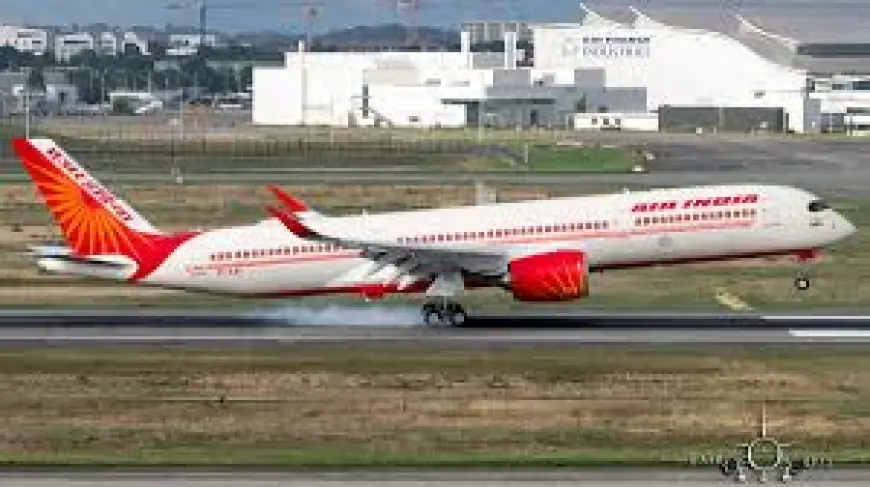
An Air India Airbus A350 has been grounded at Indira Gandhi International Airport in New Delhi after dense fog and ice formation during low-visibility conditions reportedly caused damage to one of its engines, underscoring how extreme winter weather can affect modern jet operations.
The aircraft, operated on a domestic sector earlier this week, was scheduled to depart New Delhi when visibility deteriorated sharply due to a thick layer of winter fog combined with ice accretion. Airport meteorological services routinely issue advisories during the January season, when northern Indian aerodromes frequently experience plummeting visibility and sub-zero dew points that promote condensation and ice formation on exposed airframe surfaces.
Air India confirmed that the A350’s engine exhibited damage consistent with exposure to dense fog and ice ingestion, forcing the operator to ground the jet pending detailed inspection and corrective maintenance. The Airbus widebody is a cornerstone of Air India’s long-haul fleet, used on international trunk routes and selected high-demand domestic services. Grounding any aircraft of this type has immediate implications for schedule integrity and capacity planning.
A350 engines utilise high-bypass turbofan technology with finely tuned blade profiles designed for fuel efficiency and low noise. However, ingestion of supercooled water droplets and ice particles in extreme weather can, in certain conditions, affect compressor blades and internal seals, prompting protective shutdowns or damage that requires technical intervention. Operators in cold climates often adopt augmented pre-flight checks and anti-ice procedures, but unanticipated weather severity can still present operational challenges.
The incident highlights the intersection of meteorology and aircraft operations at busy northern Indian airports. Visibility and runway surface conditions are among the top determinants of flight schedule reliability during peak winter months. When fog density exceeds instrument landing system minima, air traffic control may delay or cancel movements, compounding risks of prolonged ground time for aircraft and crews.
Air India’s engineering team has commenced a comprehensive inspection of the affected engine, following manufacturer procedures and regulatory guidelines to assess the extent of damage and necessary repairs. The carrier has not specified a timeline for returning the aircraft to service, but aircraft on ground (AOG) status typically requires multi-day examinations and parts replacement when weather exposure is implicated.
Operationally, the grounding feeds into broader network effects for the airline. High-demand sectors reliant on A350 capacity may see aircraft substitutions with other widebodies or the reallocation of relief aircraft. Such schedule adjustments involve crew rostering changes, gate assignments, and potential customer re-accommodation where disruptions emerge.
For airport operators, severe fog remains a perennial operational risk. Delhi’s runways and ground systems are equipped for low-visibility operations, yet prolonged fog periods can still constrain arrival and departure rates, affecting slot reliability and cascading across airline schedules.
Aviation meteorologists and airline planning teams continuously monitor fog intensity, runway visual range (RVR) metrics, and ice formation potential to modulate operations. This event underscores the need for dynamic weather risk management and pre-emptive engineering safeguards as part of winter operating protocols at major aviation hubs.