Air France Likely Surpassed 2% Sustainable Aviation Fuel Target in 2025, Sources Say
Air France and European airlines likely exceeded the 2% sustainable aviation fuel target in 2025, signaling progress toward greener aviation and emissions reduction goals.
 Jishan Khan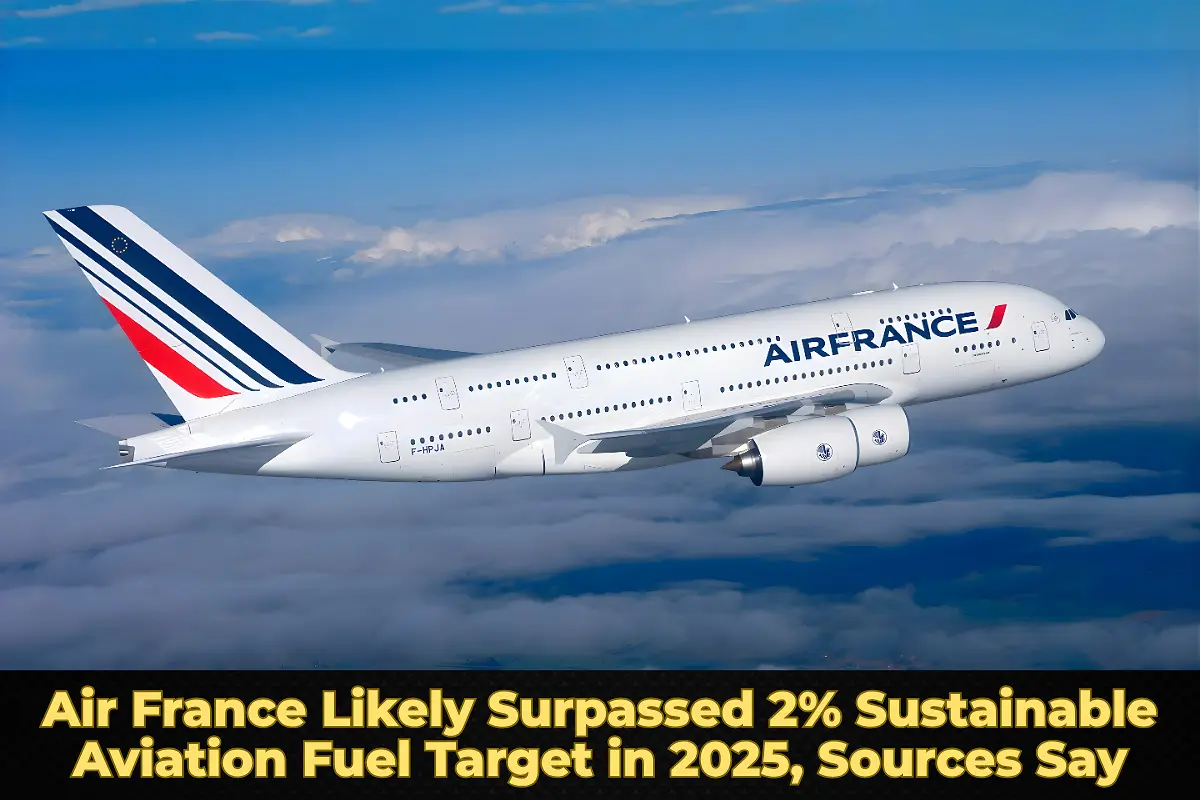
Air France and European Airlines Beat 2025 Green Fuel Targets
Air France and other major European airlines likely moved past a big green milestone in 2025. According to industry sources, these carriers used more than the required 2% Sustainable Aviation Fuel (SAF) in their tanks last year.
This is a major win for the environment. It shows that the shift toward greener flying is happening faster than many expected.
Air France Leads the Way in Clean Flying
While the European Union (EU) set a rule that 2% of all jet fuel must be sustainable by 2025, Air France has been working hard to stay ahead of that goal. By partnering with fuel suppliers early on, the airline managed to secure enough SAF to meet and likely exceed the mandate.
Using SAF is the best way to cut carbon emissions right now. Unlike regular jet fuel, SAF is made from renewable sources like used cooking oil or wood waste.
Why This 2% Target Matters
The 2% rule is just the first step. The EU wants to slowly increase this amount every few years to help the planet.
-
The Goal: Reduce the carbon footprint of flying.
-
The Result: Air France and its partners are proving that flying with cleaner fuel is possible today, not just in the distant future.
The Challenges: Supply and Cost
Even with this success, switching to green fuel isn't easy. There are two main hurdles:
-
Low Supply: There isn't enough SAF being made globally yet.
-
High Price: Sustainable fuel costs much more than regular kerosene.
To keep tickets affordable while staying green, Air France and other airlines are investing in new technology to help bring these costs down over time.
What This Means for Travelers
If you fly with Air France, you might notice small "sustainability surcharges" on your ticket. This money goes directly toward buying more SAF. As production grows, experts believe these costs will stabilize.
The good news? Every time you fly on a plane using SAF, you are reducing your carbon footprint by up to 80% compared to a normal flight.
Looking Toward 2030
The 2% win in 2025 is just the beginning. By 2030, the targets will get even tougher. Air France is already preparing by buying newer, more fuel-efficient planes and signing long-term deals for even more sustainable fuel.
Europe is currently the world leader in green aviation. The success seen here will likely serve as a roadmap for airlines in the U.S. and Asia to follow.
Conclusion
By beating the 2% SAF target, Air France has shown it is serious about protecting the planet. While there is still a long way to go to reach "Net Zero" emissions, 2025 proved that the aviation industry is ready for a cleaner future.