Former SriLankan Airlines CEO Arrested in Airbus A330 Corruption Investigation
Authorities have arrested a former SriLankan Airlines chief executive in connection with a corruption investigation linked to the airline’s Airbus A330 aircraft acquisition deal.
 Jishan Khan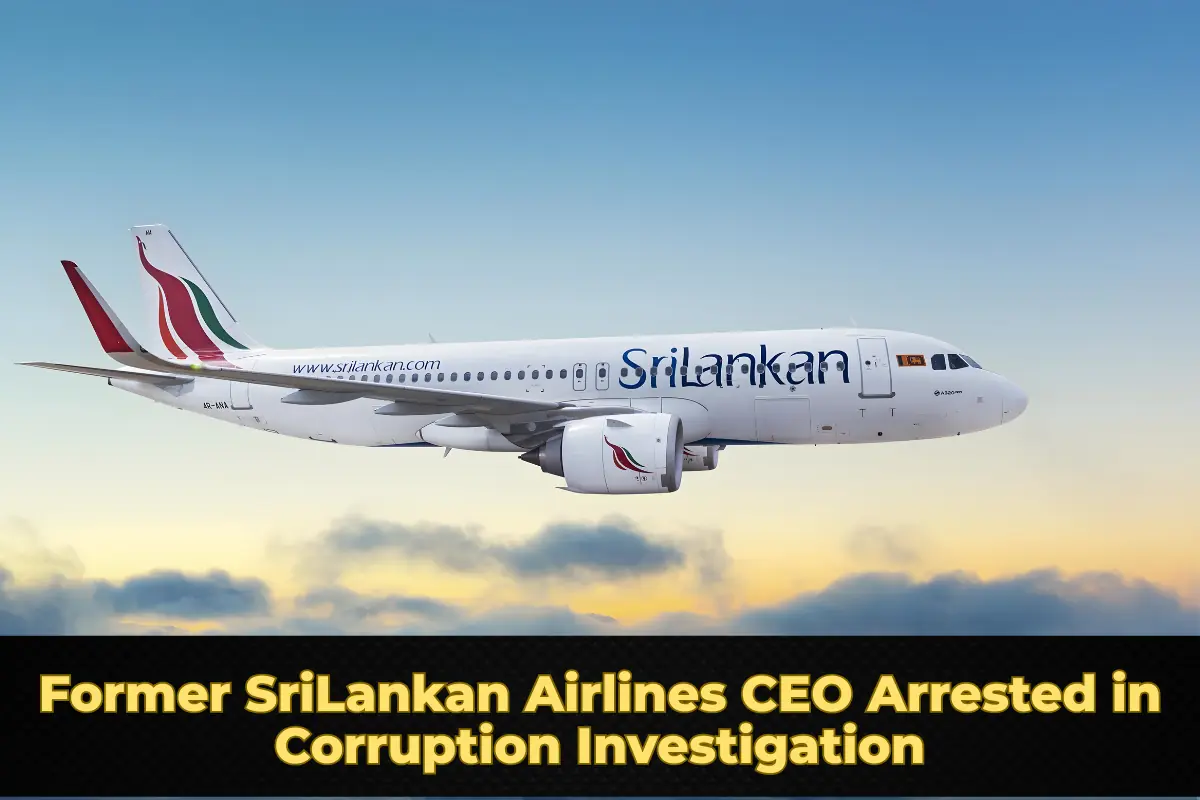
Former SriLankan Airlines CEO Arrested in Airbus A330 Corruption Investigation
Authorities in Sri Lanka have arrested a former chief executive of SriLankan Airlines in connection with an ongoing corruption investigation linked to the airline’s Airbus A330 aircraft acquisition deal. The arrest took place as part of a broader probe into alleged financial irregularities and misconduct surrounding aircraft procurement decisions made during the executive’s tenure at the state-owned carrier.
Investigators say the case centers on alleged irregularities in the procurement and leasing arrangements of Airbus A330 aircraft for SriLankan Airlines. The investigation, which has been underway for several years, seeks to determine whether improper payments, contract manipulation, or other financial violations occurred during the negotiation and approval of the aircraft deal.
Law enforcement officials confirmed that the former airline chief was taken into custody as authorities continue examining documents, financial records, and decision-making processes tied to the aircraft acquisition. The arrest marks a significant development in one of the most closely watched aviation-related corruption investigations in Sri Lanka.
Aircraft Procurement Deal Under Scrutiny
The investigation focuses on a controversial aircraft procurement arrangement involving Airbus A330 widebody jets that were intended to support the airline’s long-haul network expansion. SriLankan Airlines had pursued fleet renewal and modernization plans during the period in question, with the A330 aircraft playing a key role in strengthening international routes.
However, questions later emerged regarding the financial structure and contractual terms of certain aircraft agreements. Authorities began examining whether the procurement process followed appropriate governance procedures and whether any individuals involved in the deal may have benefited improperly.
Aircraft acquisition contracts in the aviation industry often involve complex negotiations between airlines, aircraft manufacturers, leasing companies, and financial institutions. Because of the large sums involved, such transactions are typically subject to strict regulatory oversight and internal approval processes.
Investigators are now reviewing whether these procedures were properly followed in the case of the SriLankan Airlines A330 deal.
Background of the Corruption Probe
The corruption probe into SriLankan Airlines’ aircraft procurement activities has been part of a broader effort by Sri Lankan authorities to examine allegations of financial misconduct in state-owned enterprises. The airline, which operates as the country’s national carrier, has previously faced scrutiny over financial management, governance practices, and operational losses.
Government investigators have been reviewing several transactions connected to the airline’s fleet planning decisions, particularly those involving long-term aircraft leases and procurement agreements signed during earlier administrations.
Officials involved in the investigation have indicated that the probe seeks to determine whether individuals in positions of authority abused their roles to influence major procurement decisions for personal or financial gain.
The case has drawn significant public attention in Sri Lanka due to the airline’s importance to the country’s tourism sector and national economy.
Role of the Airbus A330 in SriLankan Airlines Fleet
The Airbus A330 widebody aircraft has long been a central part of SriLankan Airlines’ long-haul fleet, enabling the airline to operate international routes connecting Colombo with destinations across Europe, the Middle East, and Asia.
The aircraft is widely used by airlines around the world due to its efficiency on medium- and long-haul routes and its ability to carry large numbers of passengers while maintaining relatively competitive operating costs.
Fleet modernization and expansion programs involving aircraft such as the A330 are typically strategic decisions designed to improve route connectivity, passenger capacity, and operational performance.
However, the high financial value of such aircraft transactions means that procurement processes must follow strict oversight and transparency standards to ensure accountability.
Legal Proceedings and Investigation Progress
Following the arrest, authorities are expected to question the former airline executive regarding his role in the procurement decisions under investigation. Legal proceedings will determine whether formal charges will be filed based on the findings of the inquiry.
Investigators may also examine the involvement of other individuals connected to the procurement process, including former officials, intermediaries, or financial advisors who may have participated in negotiations or contract approvals.
The investigation remains ongoing, and authorities have not ruled out additional arrests or legal actions as the probe continues.
Anti-corruption agencies in Sri Lanka have increasingly focused on examining past financial decisions involving public institutions as part of broader efforts to improve governance and transparency.
Impact on SriLankan Airlines
SriLankan Airlines has undergone several restructuring efforts in recent years as the government attempts to stabilize the carrier’s finances and improve operational efficiency. Like many state-owned airlines, the carrier has faced financial challenges related to competition, fuel costs, and market volatility.
The airline plays an important role in connecting Sri Lanka with international markets and supporting the country’s tourism industry, which relies heavily on air connectivity for visitor arrivals.
While the corruption investigation concerns decisions made in the past, industry observers note that such cases can influence investor confidence and public perception regarding the governance of national carriers.
Airline management reforms and transparency measures are often introduced following such investigations to strengthen oversight of procurement and financial decision-making.
Broader Implications for Aviation Governance
The case highlights the complexities involved in aircraft procurement and the importance of strict governance frameworks in the aviation industry. Airlines frequently enter into long-term agreements worth hundreds of millions of dollars when purchasing or leasing aircraft.
Because these deals often involve multiple stakeholders and international suppliers, they require careful negotiation, financial evaluation, and regulatory oversight to ensure fairness and transparency.
Corruption investigations linked to aircraft procurement have occurred in several countries over the years, reflecting the significant financial scale of airline fleet investments.
Industry experts say strong corporate governance, transparent procurement processes, and independent oversight mechanisms are essential to maintaining trust in airline management and public institutions.
Current Status of the Case
Authorities in Sri Lanka continue to examine evidence related to the Airbus A330 procurement arrangement as part of the ongoing corruption investigation. Legal proceedings involving the former airline chief are expected to unfold in the coming months as prosecutors review the findings of the inquiry.
The arrest represents a key development in the case and signals continued scrutiny of past procurement decisions within the country’s national airline.
As the investigation progresses, officials say further updates will be provided once additional evidence has been reviewed and legal proceedings advance.
For now, the case remains under active investigation as authorities work to determine whether any criminal wrongdoing occurred during the aircraft procurement process.