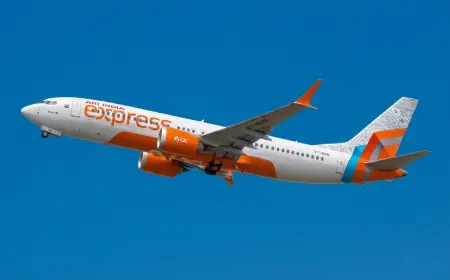
India Orders 25% Cut in Airport Charges for Domestic Flights to Ease Airline Cost Pressure
India mandates a 25% cut in landing and parking charges for domestic flights for three months to support airlines facing rising operational costs.
 Jishan Khan
India has mandated a 25% reduction in landing and parking charges for domestic flights at major airports for a three-month period, offering immediate financial relief to airlines facing mounting operational costs and disruptions linked to geopolitical tensions and restricted airspace.
The directive was issued by the Airports Economic Regulatory Authority of India (AERA), which confirmed that the reduced tariffs will take effect immediately and apply across all major airports. The move follows government instructions aimed at supporting the aviation sector during a period of significant operational and financial strain.
Tariff Reduction Framework
Under the order, landing and parking charges, key components of airport aeronautical tariffs will be reduced by 25% from prevailing levels. The relief applies exclusively to domestic flights and will remain in effect for three months.
AERA stated that any revenue shortfall resulting from the temporary reduction will be addressed during future tariff reviews. This ensures that airport operators will not face permanent financial losses, while airlines benefit from immediate cost savings.
The regulator implemented the measure after reviewing industry conditions and acting on government directions, signaling a coordinated policy response to current challenges in the aviation sector.
Airline Cost Pressures
The reduction comes as Indian airlines face increasing financial pressure driven by rising operational expenses and reduced international flying capacity. Airport and air navigation charges represent one of the largest cost components for airlines after fuel and labor, making tariff adjustments a significant lever for cost management.
Major carriers, including IndiGo and Air India, had called for rationalization of airport charges, citing the impact of ongoing geopolitical developments on their operations. The cost relief is expected to support airlines in maintaining domestic capacity and managing pricing pressures.
The aviation sector in India operates in a highly competitive and price-sensitive environment, where even marginal cost reductions can influence profitability and route sustainability.
Impact of Airspace Restrictions
The policy decision is closely linked to disruptions caused by the ongoing West Asia conflict, which has significantly affected airline operations. Indian carriers have been forced to reroute or suspend flights due to restricted airspace, including limitations over Pakistan and instability across key transit corridors.
These constraints have led to a sharp decline in international operations, particularly on routes connecting India to the Middle East, Europe, and North America. Airlines have also incurred higher fuel costs due to longer flight paths and operational inefficiencies.
The cumulative impact has resulted in a substantial number of flight cancellations and reduced frequencies, placing additional strain on airline finances.
Operational and Industry Implications
The temporary reduction in airport charges is expected to provide immediate relief by lowering operating costs for domestic flights. This may help airlines sustain route networks, maintain flight frequencies, and stabilize fares during the three-month period.
For airport operators, the measure represents a short-term revenue adjustment, with compensation deferred to future tariff cycles. The approach reflects an effort to balance the financial health of both airlines and airport infrastructure providers.
The move also underscores the role of regulatory intervention in supporting the aviation ecosystem during periods of external disruption, particularly when market conditions are influenced by geopolitical factors beyond the industry’s control.
Current Status
The 25% tariff reduction has been implemented with immediate effect and will remain in place for three months. Airlines are expected to benefit from lower operating costs during this period, while stakeholders continue to monitor the broader impact of geopolitical developments on aviation activity.
The effectiveness of the measure will depend on the duration of external disruptions and the extent to which airlines can leverage the cost savings to maintain operational stability.