IndiGo Fined ₹22 Crore for Delays, Rostering Lapses
India’s aviation regulator fines IndiGo ₹22 crore citing poor rostering and planning after widespread delays and disruption, highlighting operational oversight challenges.
 Jishan Khan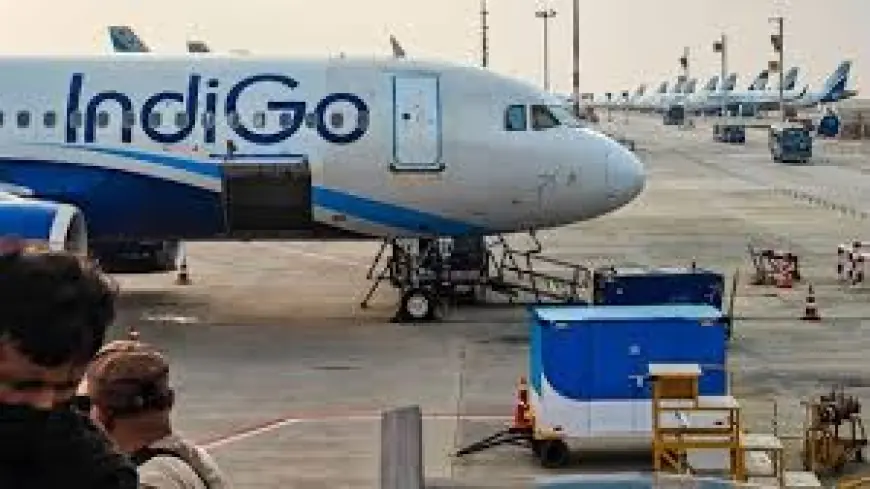
India’s Directorate General of Civil Aviation (DGCA) has imposed a ₹22 crore penalty on budget carrier IndiGo, faulting the airline for widespread flight delays and cancellations tied to inadequate crew rostering and weak operational planning.
The regulatory action arises from a detailed probe into disruptions that affected IndiGo’s domestic services late last year, impacting hundreds of flights, stranding passengers, and triggering significant customer dissatisfaction. The DGCA concluded that the airline’s rostering practices did not sufficiently account for crew duty limits, reserve staffing, or seasonal demand surges, resulting in cascading schedule irregularities.
DGCA officials cited instances where crews reached regulatory duty time limits without appropriate relief resources available, compelling aircraft to sit idle while replanning took place. Such scenarios occurred at peak travel periods and exposed gaps in IndiGo’s operational risk management, according to the regulator’s assessment.
In its notice to IndiGo, the DGCA emphasised that air carriers are required to maintain robust rostering systems that ensure flight crew scheduling complies with safety and fatigue management rules, while also supporting schedule reliability. Failure to adhere to such standards can compromise both operational integrity and passenger confidence.
IndiGo, which operates India’s largest domestic network with a fleet of Airbus A320 family aircraft, acknowledged receipt of the DGCA’s order and stated it would review the findings. The airline said it remains committed to regulatory compliance and improving its operational performance, adding that corrective measures are being evaluated to strengthen rostering and contingency planning.
Industry experts noted that while flight delays and cancellations can stem from multiple factors — including weather, air traffic control constraints, and airport capacity — internal planning and rostering remain key determinants of an airline’s ability to absorb disruption. Effective rostering systems account for crew availability, duty-time regulations, and reserve cover to accommodate unplanned events without degrading service.
The fine reflects heightened regulatory scrutiny of airline operational resilience, particularly as traffic volumes rebounded strongly following pandemic downturns. Regulators globally have increased emphasis on scheduling practices that protect safety margins and minimise disruptions for passengers.
DGCA’s enforcement action against IndiGo also serves as a reference point for other carriers operating complex domestic networks in India’s intensely competitive aviation market. With multiple carriers vying for market share, maintaining disciplined operational planning is critical not only for safety compliance but also for sustaining customer service standards.
Passenger advocacy groups welcomed the DGCA’s intervention, calling for more transparent reporting of delay causes and stronger accountability mechanisms. Such groups argue that flight disruptions often have compounding effects, including missed connections, hotel rebookings and personal cost burdens, and that regulatory oversight is essential to safeguard traveler interests.
IndiGo’s response to the order and subsequent implementation of revised rostering strategies will be closely watched across the sector. Aviation analysts suggest that enhanced data-driven planning tools, predictive crew management and improved reserve deployment could mitigate similar disruptions in the future, laying a foundation for operational stability amid evolving demand patterns.