Japan Airlines Robot Plan Faces Delay at Haneda Over Costs
Japan Airlines robot deployment delay at Haneda highlights rising costs and funding pressures impacting AI-driven airport automation plans.
 Jishan Khan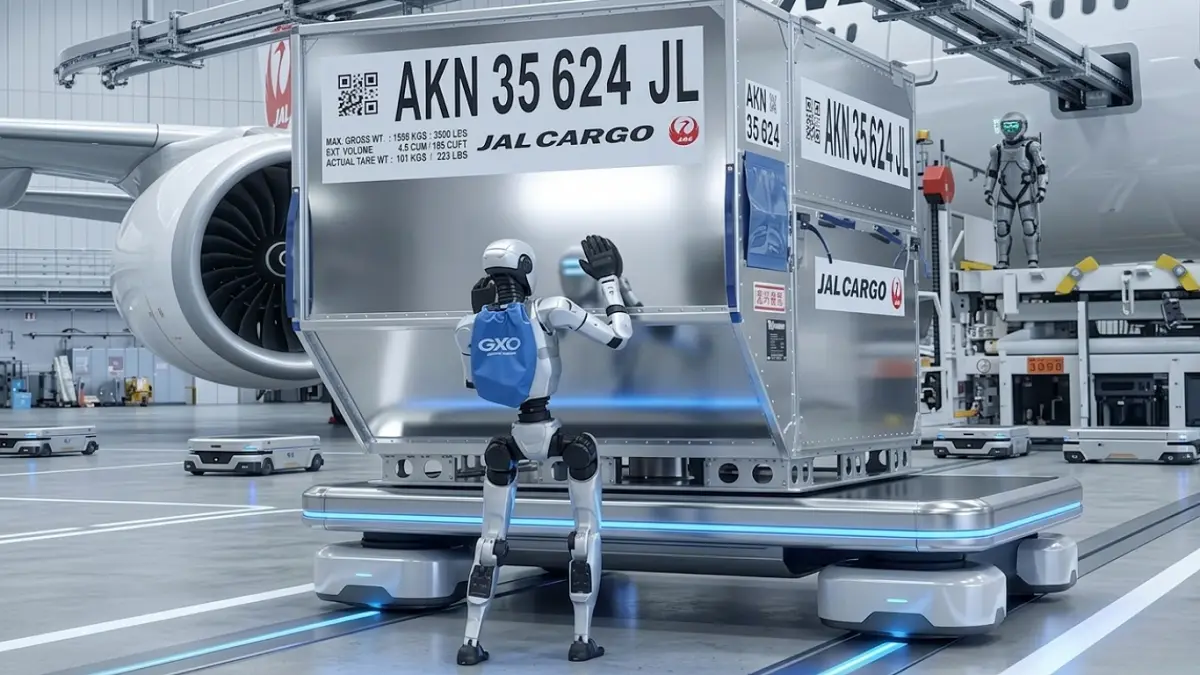
Japan Airlines is facing delays in its Japan Airlines robot deployment plan at Haneda Airport as rising aviation automation costs and pending investment approvals slow the rollout of AI-powered airport robotics systems.
The airline had planned to introduce humanoid automation systems to improve baggage and cargo handling efficiency while addressing the ongoing airline labor shortage Japan aviation operators continue to face.
Haneda Airport Automation Robots Target Baggage Efficiency
The Haneda Airport automation robots initiative is designed to support ground operations using AI-driven humanoid systems capable of assisting with baggage and cargo movement.
The trial deployment was expected to test operational efficiency, reduce manual workload, and improve turnaround performance at one of Japan’s busiest airports.
JAL AI Baggage Handling Project Faces Cost Pressure
The JAL AI baggage handling program remains under review as aviation automation costs continue rising across the industry.
Higher fuel expenses, staffing costs, and infrastructure investments are placing pressure on airline technology spending, leading to delays in major automation projects.
Japan Airlines is reportedly waiting for additional investment approvals before confirming broader deployment timelines.
Airport Robotics Japan Strategy Linked to Labor Shortages
The airport robotics Japan strategy reflects a wider shift toward automation as airlines struggle with workforce shortages in ground handling and operational support services.
Japan’s aging workforce and limited labor availability are pushing airlines to explore robotics and AI solutions to maintain airport efficiency and reduce dependency on manual operations.
Aviation Automation Costs Challenge Airline Expansion Plans
Although automation offers long-term efficiency benefits, aviation automation costs remain a major challenge for airlines investing in AI and robotics systems.
Projects involving humanoid robots require infrastructure integration, safety testing, maintenance systems, and operational certification, increasing implementation costs and extending deployment timelines.
Current Trend: Airlines Turning to Robotics Amid Labor Shortages
The Japan Airlines robot deployment delay highlights a growing global aviation trend where airlines are increasingly investing in automation and AI to solve labor shortages and improve airport operations.
Airports across Asia, Europe, and North America are testing robotics for baggage handling, passenger assistance, and cargo operations as carriers balance innovation with rising operational costs.