KM Malta Airlines Considers Airbus A321neo to Support Capacity Expansion Plans
KM Malta Airlines is evaluating the Airbus A321neo as part of plans to increase capacity and optimize its fleet for growing demand.
 Jishan Khan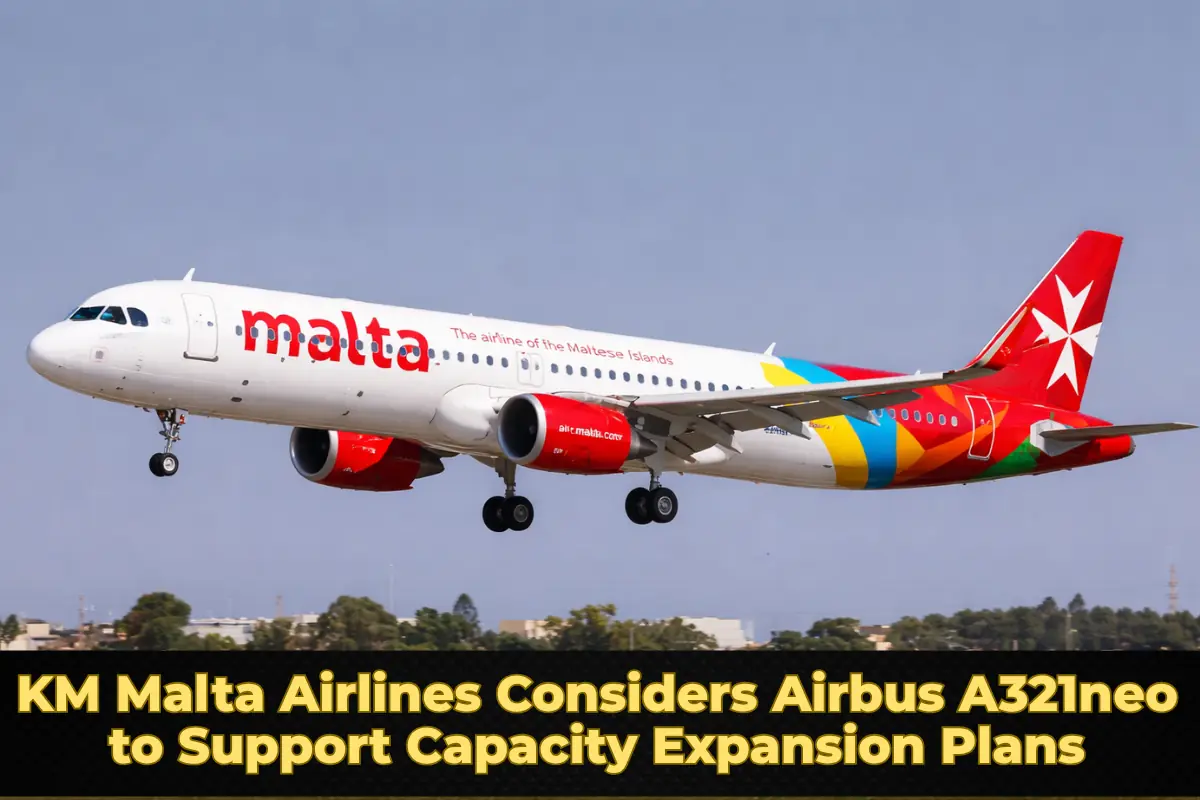
KM Malta Airlines is evaluating the introduction of Airbus A321neo aircraft as part of its strategy to expand capacity, improve operational efficiency, and meet rising passenger demand, according to reports in 2026. The airline, based in Malta, is exploring options to upgrade its fleet by incorporating larger and more fuel-efficient narrowbody aircraft, reflecting broader trends in the European aviation sector.
The potential move comes as the carrier seeks to optimize its operations following its transition from the former Air Malta structure. By considering the A321neo, KM Malta Airlines aims to increase seat capacity on key routes while maintaining cost efficiency and flexibility across its network.
Fleet Strategy and Expansion Plans
KM Malta Airlines currently operates a fleet centered around Airbus A320-family aircraft, which are widely used for short- and medium-haul routes. The addition of the A321neo would represent a step up in capacity, allowing the airline to accommodate more passengers per flight without significantly increasing operating costs.
The A321neo is known for its extended range and improved fuel efficiency compared to earlier-generation aircraft. These characteristics make it an attractive option for airlines looking to balance growth with sustainability and cost management.
By introducing a larger aircraft type, KM Malta Airlines could consolidate frequencies on high-demand routes, improving load factors and maximizing revenue potential.
Operational Benefits of the A321neo
The Airbus A321neo offers several operational advantages, including lower fuel burn per seat, reduced emissions, and enhanced passenger comfort. Airlines across Europe and beyond have increasingly adopted the aircraft as part of their modernization efforts.
For KM Malta Airlines, the aircraft could enable more efficient use of airport slots, particularly at congested hubs where increasing flight frequency is not always feasible. Operating fewer flights with higher capacity can help airlines manage constraints while meeting demand.
The aircraft’s range capabilities also open opportunities for network expansion, potentially allowing the airline to explore new destinations or extend existing routes.
Market Demand and Route Optimization
The decision to consider the A321neo is driven in part by evolving market demand, with passenger numbers showing signs of growth across European travel markets. Airlines are adapting to these trends by aligning capacity with demand patterns, ensuring optimal utilization of resources.
KM Malta Airlines is likely assessing which routes would benefit most from increased capacity, focusing on destinations with strong demand during peak travel periods. Seasonal fluctuations in tourism also play a role in determining fleet requirements.
Optimizing route networks is critical for maintaining profitability, particularly in a competitive market where pricing pressures remain significant.
Competitive Landscape in Europe
The European aviation market is characterized by intense competition among full-service carriers, low-cost airlines, and hybrid operators. Fleet efficiency and capacity management are key factors influencing competitiveness.
Many airlines in the region have already incorporated the A321neo into their fleets, leveraging its advantages to improve cost structures and expand operations. KM Malta Airlines’ potential adoption of the aircraft would align it with industry trends.
Maintaining a competitive edge requires continuous investment in modern aircraft and operational improvements, particularly as airlines recover from recent industry challenges.
Financial and Strategic Considerations
Introducing a new aircraft type involves significant financial and strategic considerations, including acquisition or leasing costs, crew training, and maintenance requirements. KM Malta Airlines is expected to carefully evaluate these factors before making a final decision.
The airline may explore leasing options to minimize upfront capital expenditure while retaining flexibility in fleet planning. Leasing arrangements are commonly used in the industry to manage risk and adapt to changing market conditions.
Strategically, the move could support the airline’s long-term growth objectives, positioning it to capture additional market share and strengthen its presence in key markets.
Environmental and Efficiency Goals
The A321neo’s improved fuel efficiency aligns with the aviation industry’s broader focus on sustainability and reducing environmental impact. Lower fuel consumption translates into reduced carbon emissions, supporting regulatory and corporate sustainability goals.
Airlines are increasingly prioritizing environmentally friendly operations, driven by regulatory pressures and consumer expectations. Fleet modernization is a central component of these efforts.
For KM Malta Airlines, adopting newer aircraft could enhance its environmental profile while delivering cost savings over time.
Industry Trends in Narrowbody Aircraft
The demand for larger narrowbody aircraft like the A321neo has grown significantly in recent years, as airlines seek to bridge the gap between traditional narrowbody and widebody operations. The aircraft’s versatility makes it suitable for a wide range of routes.
Manufacturers have responded to this demand by enhancing aircraft capabilities, including range and efficiency. The A321neo has become one of the most popular choices among airlines looking to modernize their fleets.
This trend reflects a shift in how airlines approach capacity planning and network development.
Potential Timeline and Next Steps
While KM Malta Airlines has not announced a definitive timeline for introducing the A321neo, the evaluation process is likely to involve detailed analysis of market conditions, financial implications, and operational requirements.
Any decision would be subject to internal approvals and potentially regulatory considerations, depending on the structure of the acquisition or leasing agreement.
The airline is expected to continue monitoring market trends and adjusting its strategy accordingly.
Impact on Passengers and Services
For passengers, the introduction of the A321neo could mean increased availability of seats, improved onboard comfort, and potentially more competitive fares. The aircraft typically features modern cabin designs and enhanced amenities.
Higher capacity could also reduce the need for overbooking and improve overall travel experience during peak periods. However, the actual impact will depend on how the airline integrates the aircraft into its operations.
Maintaining service quality while expanding capacity will be a key priority for the airline.
Current Status
KM Malta Airlines is currently assessing the Airbus A321neo as part of its fleet strategy, with no final decision announced as it evaluates options to support future growth and operational efficiency.