Pakistan Strikes Fuel Depot Linked to Afghanistan’s Kam Air Amid Rising Regional Tensions
Pakistan has reportedly carried out a strike on a fuel depot linked to Afghanistan’s Kam Air, escalating regional tensions and raising concerns over aviation security and infrastructure.
 Jishan Khan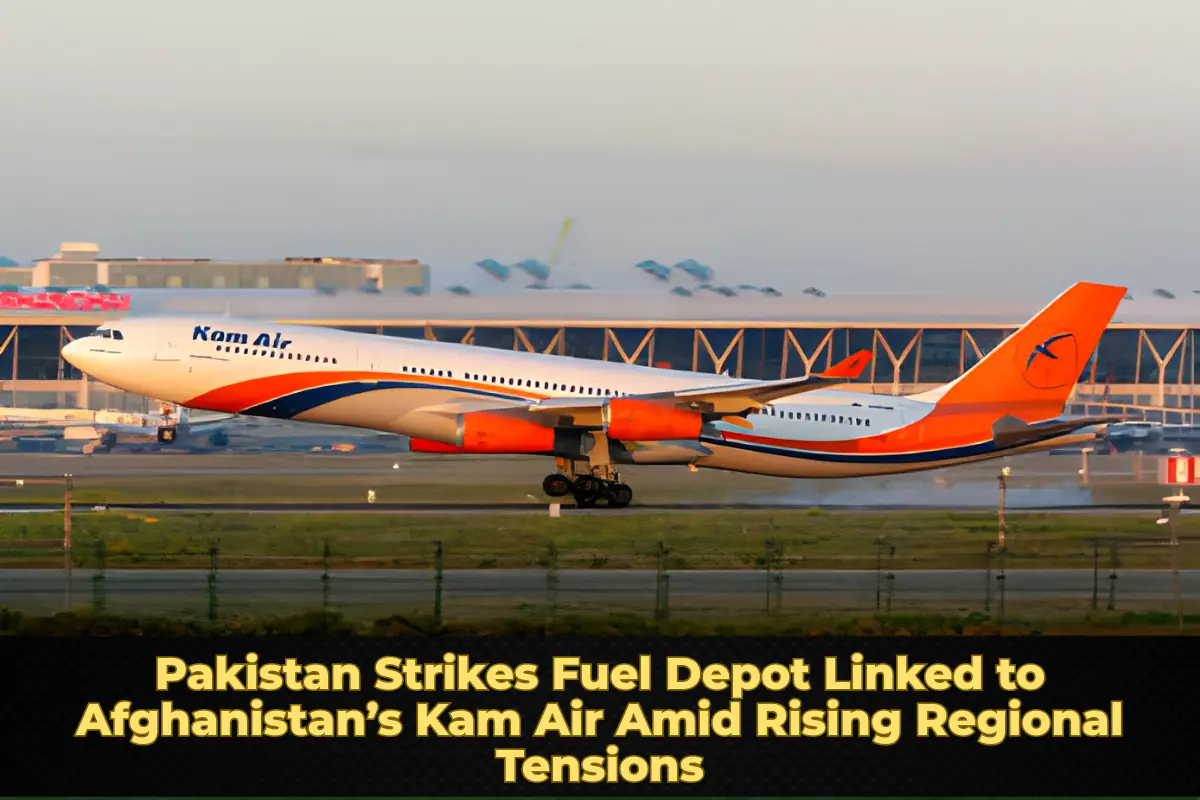
Pakistan Strikes Fuel Depot Linked to Afghanistan’s Kam Air Amid Rising Regional Tensions
Pakistan has reportedly carried out a strike targeting a fuel depot associated with Afghanistan’s Kam Air, escalating tensions between the neighboring countries and raising concerns over the safety of aviation infrastructure in the region. The incident, which occurred recently, marks a significant development in cross-border hostilities, with potential implications for airline operations and regional stability.
Officials familiar with the situation indicated that the targeted facility was used to support aviation fuel supply operations connected to Kam Air, one of Afghanistan’s leading private carriers. While details surrounding the timing and exact location of the strike remain limited, initial reports suggest that the facility sustained damage, potentially disrupting fuel logistics for airline operations.
The strike comes amid heightened geopolitical tensions between Pakistan and Afghanistan, with both countries experiencing periodic disputes related to border security and militant activity. The targeting of infrastructure linked to civil aviation has drawn particular attention from industry observers, as it highlights the vulnerability of airline support systems in conflict-prone regions.
Impact on Kam Air Operations
Kam Air, a Kabul-based private airline, operates domestic and international flights connecting Afghanistan with destinations across Asia and the Middle East. The airline relies on fuel supply infrastructure to maintain its operational network, making such facilities critical to its day-to-day functioning.
Damage to a fuel depot could disrupt the availability of aviation fuel, potentially leading to flight delays, schedule adjustments, or operational constraints. Airlines operating in regions affected by conflict often face logistical challenges, including limited access to fuel, airspace restrictions, and increased security risks.
While Kam Air has not publicly detailed the extent of the impact, analysts say that even temporary disruptions in fuel supply chains can affect airline operations, particularly in markets with limited alternative infrastructure.
The airline’s ability to maintain continuity of service will depend on the availability of alternative fuel sources and logistical arrangements.
Aviation Infrastructure at Risk
The incident underscores the broader risks facing aviation infrastructure in regions experiencing geopolitical instability. Fuel depots, maintenance facilities, and airport operations are essential components of the aviation ecosystem, and any disruption to these assets can have cascading effects on airline services.
Airlines and aviation authorities typically implement contingency plans to address disruptions, but sustained instability can complicate these efforts. In conflict zones, infrastructure may be exposed to damage, restricted access, or operational shutdowns, increasing the challenges faced by carriers.
International aviation organizations have repeatedly emphasized the importance of protecting civil aviation infrastructure from military or security-related actions. Such incidents can not only disrupt airline operations but also pose risks to passenger safety and regional connectivity.
The targeting of a fuel depot associated with a civilian airline is likely to draw scrutiny from aviation regulators and international observers concerned about the safety of non-military aviation assets.
Geopolitical Context
Relations between Pakistan and Afghanistan have been strained by ongoing security concerns, including cross-border militancy and disputes over border management. Military actions and retaliatory measures have occasionally occurred along the frontier, contributing to an environment of uncertainty.
The reported strike on infrastructure linked to Kam Air reflects how geopolitical tensions can intersect with commercial aviation, particularly in regions where civil and security-related infrastructure may be closely linked.
Analysts note that aviation assets, while civilian in nature, can become indirectly affected by broader security dynamics, especially in areas where infrastructure serves both commercial and logistical purposes.
The development may also influence how airlines operating in the region assess operational risks and adjust flight planning or infrastructure dependencies.
Regional Aviation Implications
The aviation sector in South Asia and Central Asia has been navigating a complex landscape shaped by geopolitical tensions, economic challenges, and evolving travel demand. Airlines operating in these regions must balance growth opportunities with risk management strategies to ensure safe and reliable operations.
Disruptions to aviation infrastructure can have ripple effects across regional networks, particularly in markets where connectivity options are limited. Fuel supply disruptions, for instance, can affect not only the airline directly involved but also other carriers relying on shared infrastructure.
Airspace restrictions or heightened security measures may also be introduced in response to such incidents, potentially affecting flight routes and operational efficiency. Airlines may need to reroute flights or adjust schedules to avoid affected areas.
For passengers, such developments can result in delays, cancellations, or increased travel uncertainty, particularly on routes connecting conflict-affected regions.
Industry and Regulatory Concerns
The reported strike is likely to raise concerns among aviation regulators and international organizations responsible for overseeing civil aviation safety. Ensuring the protection of civilian infrastructure is a key priority in maintaining the integrity of global air transport systems.
Authorities may seek further information regarding the incident and assess its implications for aviation safety standards in the region. Airlines operating in or near affected areas may also review their risk management protocols and contingency planning.
Insurance considerations could also come into play, as incidents involving infrastructure damage in conflict zones can influence insurance premiums and coverage conditions for airlines.
Industry stakeholders emphasize the need for clear separation between civilian aviation assets and military operations to minimize risks to airline operations and passenger safety.
Operational Adjustments and Contingency Measures
In response to disruptions, airlines typically implement contingency measures such as sourcing fuel from alternative suppliers, adjusting flight schedules, or temporarily reducing capacity on affected routes. These actions are aimed at maintaining service continuity while ensuring safety and compliance with regulatory requirements.
Kam Air and other carriers operating in the region may explore such measures if fuel supply disruptions persist. Collaboration with airport authorities and fuel providers will be critical in managing the situation effectively.
Airlines may also enhance monitoring of geopolitical developments and coordinate with aviation authorities to ensure that operational decisions align with safety guidelines.
The situation highlights the importance of resilient infrastructure and flexible operational planning in regions where geopolitical risks are present.
Current Status
As of now, the full extent of the damage to the fuel depot and its impact on Kam Air’s operations remains under assessment. Authorities and industry stakeholders are closely monitoring the situation as further details emerge regarding the incident and its implications for regional aviation.
The development underscores the intersection of geopolitics and aviation, illustrating how regional tensions can directly affect critical infrastructure supporting airline operations.
Further updates are expected as officials provide additional information and as airlines evaluate the operational impact of the incident.