Russia’s iFly to Cut 80% Workforce Amid ACMI-Only Shift
Russia’s iFly plans to cut 80% of its workforce as it pivots to an ACMI-only business model, marking a major restructuring of its operations.
 Jishan Khan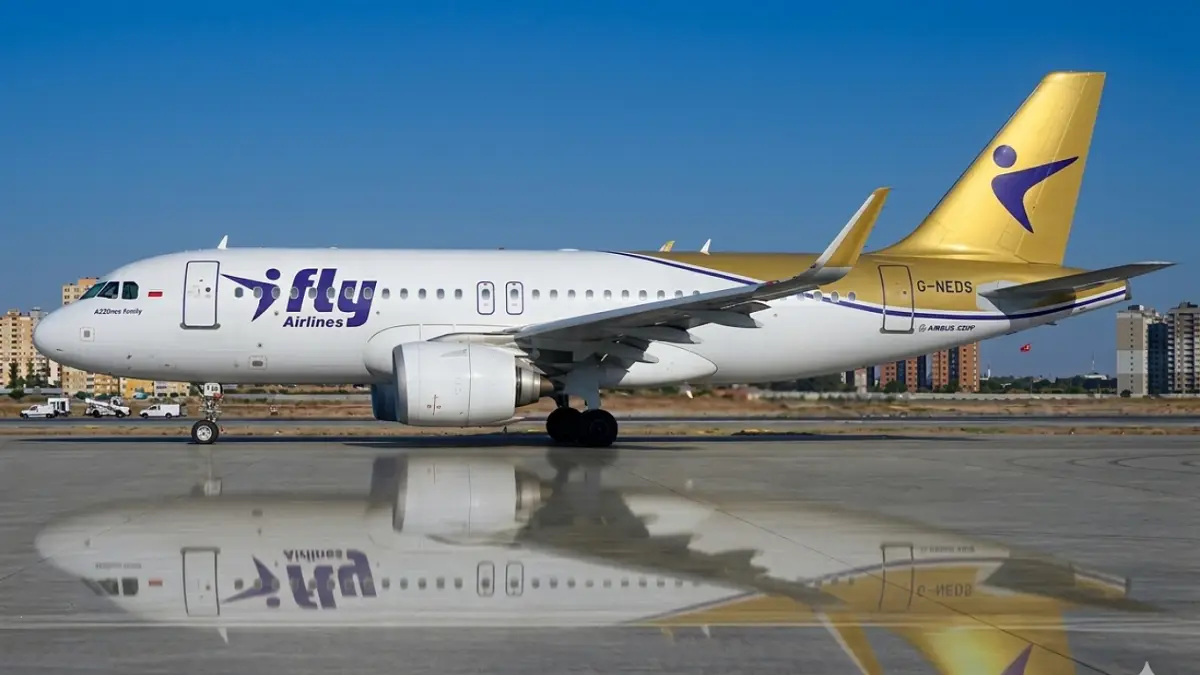
Russian carrier iFly is preparing to reduce its workforce by around 80% as it transitions to an aircraft, crew, maintenance, and insurance (ACMI) business model, marking a significant restructuring of its operations and a departure from traditional scheduled services.
Strategic Shift to ACMI Operations
The airline’s decision to pivot exclusively toward ACMI services reflects a broader strategic realignment aimed at sustaining operations in a challenging aviation environment. Under this model, iFly will focus on leasing aircraft along with crew and operational support to other airlines, rather than operating its own passenger network.
This transition effectively removes the need for large-scale in-house operational, commercial, and customer service teams, leading directly to the planned workforce reduction. By concentrating on ACMI services, the carrier is positioning itself within a niche segment of the aviation market that offers more predictable revenue streams and reduced exposure to passenger demand fluctuations.
Workforce Reduction and Operational Impact
The planned layoffs will affect approximately 80% of iFly’s employees, representing one of the most substantial downsizing efforts among Russian carriers in recent years. The scale of the cuts underscores the extent of the airline’s operational transformation, as it scales down functions tied to scheduled passenger services.
Roles associated with sales, marketing, and passenger operations are expected to be most impacted, while technical and flight crew positions linked to ACMI operations may be retained in a more streamlined structure. The restructuring aligns staffing levels with the reduced operational complexity of a leasing-focused business model.
Market Conditions Driving the Move
The shift comes amid ongoing pressures on Russia’s aviation sector, where airlines have faced operational constraints, regulatory challenges, and shifting market dynamics. These factors have made it increasingly difficult for some carriers to sustain traditional route-based operations.
By moving to an ACMI-only model, iFly aims to mitigate risks associated with fluctuating passenger demand and route viability. The leasing model allows airlines to generate income through contractual agreements with other carriers, offering a more stable financial outlook compared to revenue-dependent scheduled services.
ACMI arrangements are also commonly used by airlines seeking temporary capacity, seasonal support, or operational flexibility, creating a potential market for iFly’s services despite broader industry challenges.
Fleet Utilisation and Business Focus
As part of its restructuring, iFly is expected to optimise its fleet usage to align with ACMI demand. Aircraft will be deployed based on leasing contracts rather than fixed schedules, enabling more flexible and efficient utilisation.
The airline’s future operations will centre on maintaining aircraft readiness, ensuring crew availability, and meeting contractual service standards required by client airlines. This shift reduces the complexity of route planning and passenger logistics while increasing reliance on operational reliability and service delivery.
Industry Context and Implications
The move highlights a growing trend among airlines facing structural challenges to explore alternative business models. ACMI operations have gained traction globally as carriers look for ways to stabilise revenues and adapt to uncertain market conditions.
For iFly, the transition represents a fundamental change in its role within the aviation ecosystem—from a passenger airline to a service provider supporting other carriers’ capacity needs. While the strategy may offer financial stability, it also significantly reduces the airline’s direct presence in the passenger market.
The workforce reduction reflects the operational realities of this shift, with a leaner organisational structure required to support the new business model. The long-term success of the strategy will depend on the airline’s ability to secure consistent ACMI contracts and maintain high operational standards.
Current Status
The restructuring process is underway, with workforce reductions and operational adjustments expected to be implemented in phases. As iFly completes its transition, the airline will operate exclusively within the ACMI segment, focusing on partnerships with other carriers.
The development marks a notable example of how airlines are adapting to evolving industry conditions, using structural changes to reposition themselves in a competitive and uncertain market environment.