SCAT Airlines Expands Fleet with Two Boeing 737 MAX 8 Aircraft to Boost Central Asia Connectivity
Kazakhstan’s SCAT Airlines is adding two Boeing 737 MAX 8 aircraft to its fleet, aiming to expand capacity and strengthen connectivity across Central Asia and beyond.
 Jishan Khan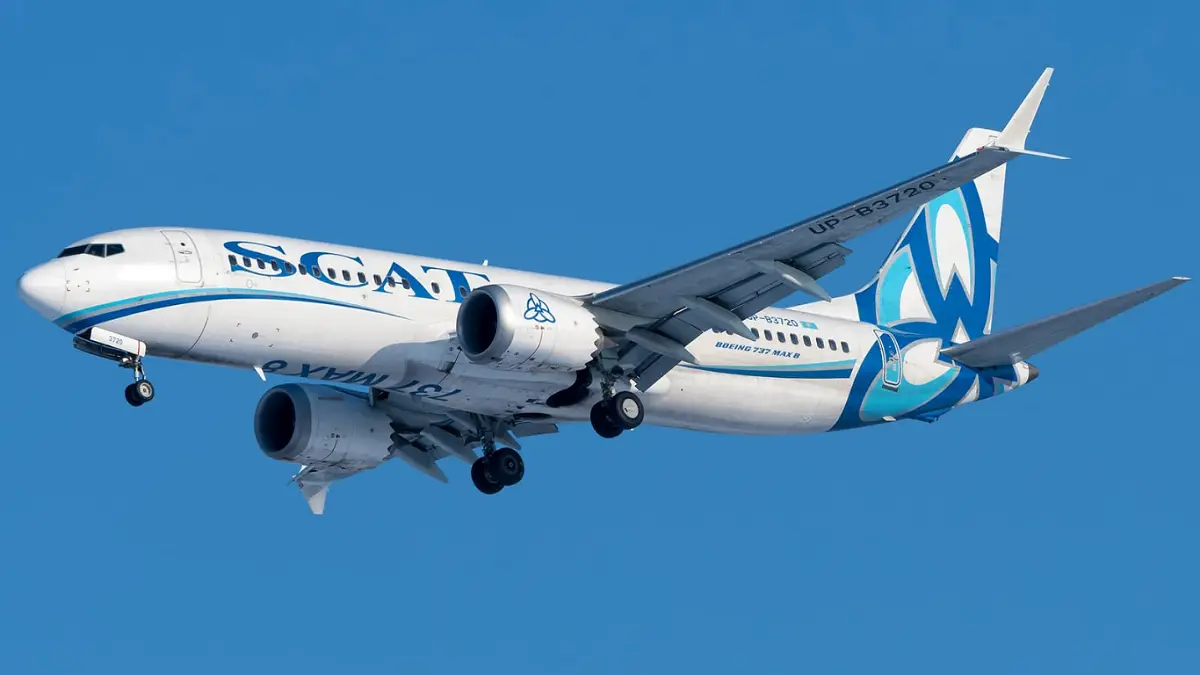
Kazakhstan-based SCAT Airlines has added two Boeing 737 MAX 8 aircraft to its fleet in 2026, aiming to enhance operational capacity, expand its route network, and strengthen connectivity across Central Asia and international markets as regional air travel demand continues to grow.
The fleet expansion marks a significant step for the privately owned carrier as it seeks to modernize its operations and improve efficiency while positioning itself to capture increasing passenger demand within Kazakhstan and across neighboring regions.
Fleet Modernisation Strategy
The introduction of the Boeing 737 MAX 8 aircraft forms part of SCAT Airlines’ broader fleet modernisation strategy, which focuses on replacing older aircraft with newer, more fuel-efficient models. The 737 MAX 8 is designed to deliver improved fuel efficiency, lower emissions, and reduced operating costs compared to previous-generation narrowbody aircraft.
By integrating these aircraft into its fleet, SCAT Airlines aims to enhance operational performance and align with global aviation trends emphasizing sustainability and cost efficiency. Modern aircraft also offer improved reliability and reduced maintenance requirements, contributing to overall operational stability.
The move reflects a growing trend among airlines in emerging markets to invest in next-generation aircraft as they seek to remain competitive and meet evolving industry standards.
Expanding Route Network
The addition of new aircraft is expected to support SCAT Airlines’ plans to expand its route network, both domestically and internationally. Increased capacity allows the airline to introduce new routes, increase frequencies on existing services, and improve connectivity between key destinations.
Central Asia is experiencing steady growth in air travel demand, driven by economic development, tourism, and increased business activity. SCAT Airlines is positioning itself to capitalize on these trends by strengthening its network and offering more travel options to passengers.
The expanded fleet may enable the airline to explore new markets beyond its traditional routes, potentially increasing its presence in Europe, the Middle East, and Asia.
Enhancing Passenger Experience
The Boeing 737 MAX 8 aircraft are equipped with modern cabin features designed to enhance passenger comfort and experience. Improvements may include quieter engines, better cabin pressure, and upgraded seating configurations, contributing to a more comfortable journey.
As competition intensifies in the aviation sector, passenger experience has become a key differentiator for airlines. By introducing newer aircraft, SCAT Airlines aims to improve service quality and attract a broader customer base.
Enhanced onboard experience can also support the airline’s brand positioning and customer satisfaction levels, particularly on longer routes.
Operational Efficiency and Cost Management
Fuel efficiency is a critical factor in airline operations, as fuel costs represent a significant portion of total expenses. The Boeing 737 MAX 8 offers improved fuel burn efficiency, which can help SCAT Airlines reduce operating costs and improve profitability.
Lower fuel consumption also contributes to reduced carbon emissions, supporting environmental sustainability goals. Airlines globally are under increasing pressure to adopt greener practices, and fleet modernisation is a key component of these efforts.
In addition to fuel savings, newer aircraft can lead to lower maintenance costs and improved operational reliability, further enhancing cost efficiency.
Strengthening Position in Central Asia
SCAT Airlines plays an important role in connecting Kazakhstan with regional and international destinations. The fleet expansion is expected to strengthen its position within Central Asia, a region that is becoming increasingly important in global aviation due to its strategic location between Europe and Asia.
Improved connectivity can facilitate trade, tourism, and economic development, supporting broader regional growth. As travel demand increases, airlines operating in Central Asia are focusing on expanding capacity and enhancing service offerings.
The addition of the Boeing 737 MAX 8 aircraft enables SCAT Airlines to better serve this growing market and compete with other regional carriers.
Industry Context and Market Trends
The aviation industry is undergoing a period of transformation, with airlines investing in new technologies and aircraft to improve efficiency and sustainability. Fleet expansion and renewal are key strategies for carriers seeking to adapt to changing market conditions and customer expectations.
In Central Asia, governments and airlines are working to improve aviation infrastructure and connectivity, recognizing the sector’s importance for economic development. Increased investment in airports, air traffic management, and airline operations is supporting growth in the region.
SCAT Airlines’ fleet expansion aligns with these broader trends, highlighting the importance of modernization and capacity growth in emerging aviation markets.
Challenges and Considerations
While fleet expansion offers significant benefits, it also presents challenges, including financing, training, and operational integration. Airlines must ensure that pilots, crew, and maintenance teams are adequately trained to operate new aircraft types.
Market conditions, including demand fluctuations and competitive pressures, can also impact the success of expansion strategies. Airlines need to carefully manage capacity to avoid overextension and maintain profitability.
Despite these challenges, the addition of modern aircraft is generally seen as a positive step toward long-term growth and sustainability.
Future Growth Prospects
Looking ahead, SCAT Airlines is expected to continue exploring opportunities for fleet expansion and network development. The airline may consider additional aircraft acquisitions as demand grows and market conditions evolve.
Strengthening partnerships, improving operational efficiency, and enhancing customer experience are likely to remain key priorities for the carrier. Continued investment in modern aircraft will support these objectives and enable the airline to compete more effectively in regional and international markets.
The expansion also positions SCAT Airlines to respond to future growth opportunities in Central Asia and beyond, as the aviation sector continues to recover and expand.
Conclusion
SCAT Airlines’ addition of two Boeing 737 MAX 8 aircraft marks a significant step in its fleet modernisation and expansion strategy, with the move expected to enhance connectivity, improve efficiency, and support growth across Central Asia and international markets.