SkyHigh Dominicana Receives First Boeing 737-700 to Support Fleet Expansion
SkyHigh Dominicana has taken delivery of its first Boeing 737-700 aircraft, marking a key milestone in the airline’s fleet expansion and regional growth strategy.
 Jishan Khan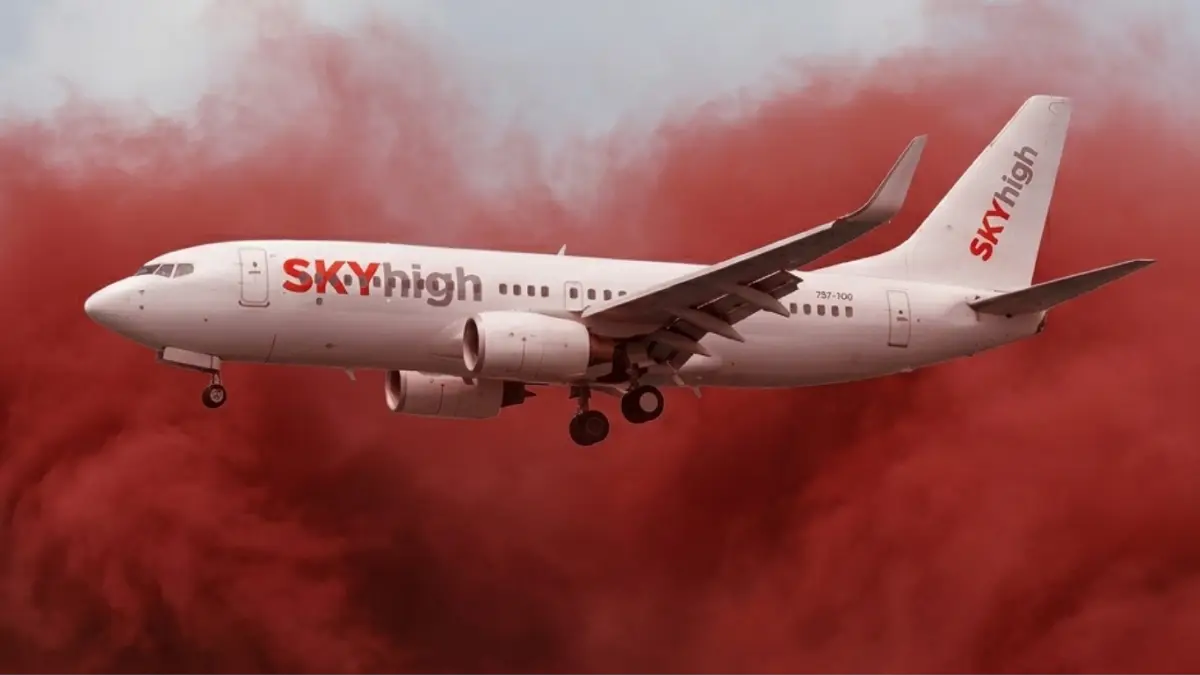
SkyHigh Dominicana has taken delivery of its first Boeing 737-700 aircraft in 2026, marking a significant step in the Dominican Republic-based carrier’s fleet expansion strategy aimed at strengthening regional connectivity and supporting future growth across the Caribbean and the Americas.
The aircraft delivery represents a milestone for the airline as it transitions toward a more modern and versatile fleet. The addition of the Boeing 737-700 is expected to enhance operational efficiency, expand route capabilities, and improve overall passenger experience as the airline seeks to compete in an increasingly dynamic regional aviation market.
Strategic Fleet Modernization
The introduction of the Boeing 737-700 reflects SkyHigh Dominicana’s broader strategy to modernize its fleet and align with industry standards for efficiency and reliability. The aircraft type is known for its flexibility, allowing airlines to operate both short- and medium-haul routes with improved fuel efficiency compared to older-generation aircraft.
Fleet modernization has become a key priority for many airlines globally, particularly as operators seek to reduce operating costs and enhance sustainability. By incorporating the 737-700 into its fleet, SkyHigh Dominicana is positioning itself to better manage fuel consumption and maintenance requirements while maintaining competitive service levels.
The move also signals the airline’s intent to gradually transition away from older aircraft types, which can be more expensive to operate and maintain in the long term.
Enhancing Regional Connectivity
The addition of the Boeing 737-700 is expected to enable SkyHigh Dominicana to expand its network and improve connectivity across key regional markets. The aircraft’s range and capacity make it suitable for serving a variety of destinations within the Caribbean, Central America, and parts of North and South America.
Improved connectivity is a critical factor in supporting tourism and business travel in the region, particularly for island economies that rely heavily on air transport. By increasing its operational capabilities, the airline aims to capture growing demand for travel within the Caribbean and beyond.
The new aircraft may also allow the airline to explore new routes or increase frequencies on existing services, enhancing its competitive position in the market.
Operational and Economic Benefits
The Boeing 737-700 offers several operational advantages, including lower fuel consumption per seat, improved reliability, and the ability to operate from a wide range of airports. These features are particularly valuable in the Caribbean region, where airport infrastructure and demand patterns can vary significantly.
For SkyHigh Dominicana, the aircraft is expected to contribute to cost efficiencies that can support profitability and long-term sustainability. Lower operating costs may also provide the airline with greater flexibility in pricing and capacity planning.
In addition, the introduction of a widely used aircraft type like the 737-700 can simplify maintenance and training processes, as it benefits from established global support networks and availability of spare parts.
Passenger Experience Improvements
The new aircraft is also expected to enhance the passenger experience, offering improved cabin comfort and modern onboard amenities compared to older aircraft. While specific configurations may vary, passengers can anticipate a more consistent and reliable travel experience.
Airlines often use fleet upgrades as an opportunity to introduce updated seating, improved cabin layouts, and enhanced in-flight services. These improvements can play a key role in attracting and retaining customers in a competitive market.
For SkyHigh Dominicana, delivering a better passenger experience will be important as it seeks to build brand recognition and expand its customer base.
Competitive Landscape
The Caribbean aviation market is characterized by a mix of regional carriers, low-cost airlines, and major international operators. Competition is driven by factors such as pricing, route networks, and service quality.
By expanding and modernizing its fleet, SkyHigh Dominicana is taking steps to strengthen its competitive position. The addition of the Boeing 737-700 provides the airline with greater flexibility to respond to market demand and compete more effectively with established players.
Strategic fleet investments are often essential for smaller carriers looking to scale operations and differentiate themselves in crowded markets.
Industry Trends and Context
The delivery comes at a time when airlines worldwide are focusing on fleet optimization and capacity management in response to evolving market conditions. Demand for air travel has been recovering and growing in many regions, prompting airlines to invest in aircraft that can support both expansion and efficiency.
In the Caribbean, tourism remains a major driver of air travel demand, with airlines seeking to capitalize on strong passenger flows between island destinations and international markets. Fleet enhancements play a crucial role in enabling carriers to meet this demand while maintaining cost discipline.
The Boeing 737-700, while not the newest variant in the 737 family, continues to be a popular choice for airlines due to its proven performance and versatility.
Future Growth Plans
The acquisition of the Boeing 737-700 may signal the beginning of a broader fleet expansion program for SkyHigh Dominicana. Airlines often use initial aircraft deliveries as a foundation for further growth, potentially adding additional units or exploring other aircraft types to diversify their fleets.
Future expansion plans could include increasing capacity on high-demand routes, entering new markets, or strengthening partnerships with other airlines. Fleet decisions will play a central role in shaping the airline’s growth trajectory.
The success of the new aircraft’s integration into operations will likely influence the airline’s future investment strategies.
Challenges and Considerations
While the addition of a new aircraft brings opportunities, it also presents challenges, including the need for pilot training, maintenance planning, and operational integration. Ensuring a smooth transition is essential to maximizing the benefits of the new asset.
External factors such as fuel price volatility, economic conditions, and regulatory requirements will also impact the airline’s ability to fully leverage its expanded fleet.
Careful planning and execution will be required to ensure that the investment delivers the intended operational and financial outcomes.
Conclusion
SkyHigh Dominicana’s delivery of its first Boeing 737-700 marks a key milestone in its fleet expansion strategy, enhancing its operational capabilities and positioning the airline for continued growth in the competitive Caribbean aviation market.