SkyUp Airlines Retires Last Boeing 737-700 in Fleet Overhaul
SkyUp Airlines retires its last Boeing 737-700, completing a fleet transition toward newer 737-800 and 737 MAX aircraft to improve efficiency and reduce costs.
 Jishan Khan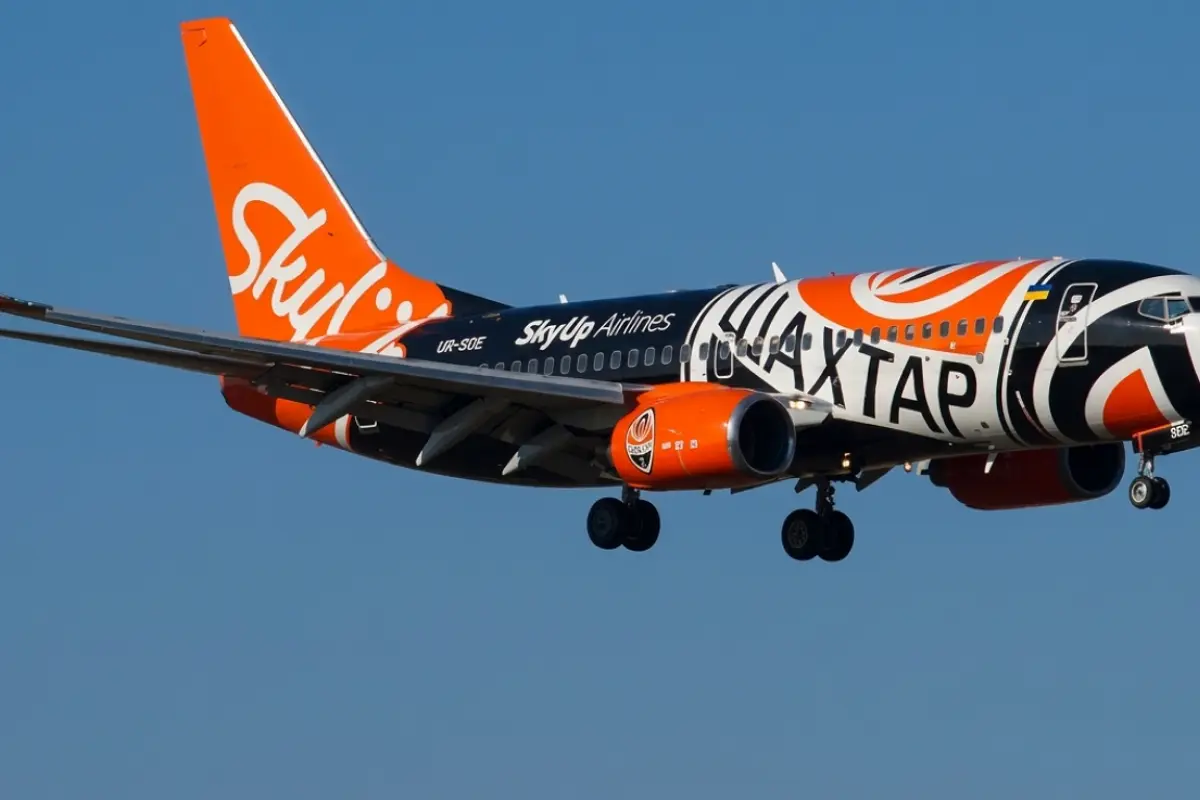
SkyUp Airlines has retired its last Boeing 737-700, closing out operations for the older narrowbody type and marking a deliberate step in the carrier's fleet modernization programme centered on newer Boeing 737-800 and 737 MAX aircraft.
The retirement simplifies the airline's operational footprint at a time when SkyUp continues to adapt its network and services amid the sustained pressures of the war in Ukraine.
SkyUp Airlines Retires Boeing 737-700 to Sharpen Fleet Focus
The Boeing 737-700 is a smaller, earlier-generation variant of Boeing's workhorse narrowbody family. By phasing out the type, SkyUp eliminates a distinct maintenance requirement from its engineering operation, reducing the costs and complexity associated with supporting multiple aircraft variants simultaneously.
The carrier now concentrates its narrowbody fleet around the Boeing 737-800 and the newer 737 MAX series. Both types offer improved fuel burn over the 737-700, translating into lower operating costs per seat on routes where SkyUp deploys them.
Fleet Modernization Targets Efficiency and Cost Reduction
Retiring the final 737-700 is expected to deliver three operational benefits for SkyUp: simplified maintenance scheduling, improved fuel efficiency across the active fleet, and leaner overall operating costs. Airlines operating mixed fleets of closely related but technically distinct aircraft types typically carry higher per-aircraft maintenance overhead than those running a single standardised variant.
The shift toward the 737 MAX also positions SkyUp to benefit from Boeing's latest efficiency gains on the narrowbody platform, including updated CFM LEAP-1B engines that burn significantly less fuel than the older CFM56 series powering the 737-700.
SkyUp Adapts Operations Amid Ongoing War in Ukraine
SkyUp has operated under conditions unlike most European carriers since Russia's full-scale invasion of Ukraine began in February 2022. Ukrainian airspace remains closed to commercial aviation, forcing the airline to base aircraft and crews outside the country and restructure its revenue model around international charter flying and ACMI operations.
ACMI, an arrangement in which an airline leases its aircraft, crew, maintenance support and insurance to another carrier, has become a significant part of SkyUp's business. The model allows the airline to generate revenue from its fleet while Ukrainian domestic operations remain suspended.
The carrier has shown consistent operational resilience during the conflict, securing flying programmes across Europe and beyond while continuing to invest in its long-term fleet profile.
737 MAX Integration Signals Long-Term Fleet Direction
SkyUp's move toward the 737 MAX aligns with a broad industry trend among low-cost and charter carriers seeking newer generation narrowbodies that reduce fuel spend and carry stronger environmental credentials. The 737 MAX delivers approximately 14 percent better fuel efficiency per seat compared with the previous generation 737 it replaces, according to Boeing's published performance data.
For a carrier operating primarily on charter and ACMI contracts, where cost competitiveness directly influences contract awards, a modern, fuel-efficient fleet is a commercial as well as an operational priority.
SkyUp has not announced the next scheduled fleet addition as of this report.