US airports face long lines as DHS disruption forces passengers to change travel plans nationwide
US airports reported long lines and delays after a DHS-related disruption forced passengers to alter travel plans across the country in March 2026.
 Munni Khatun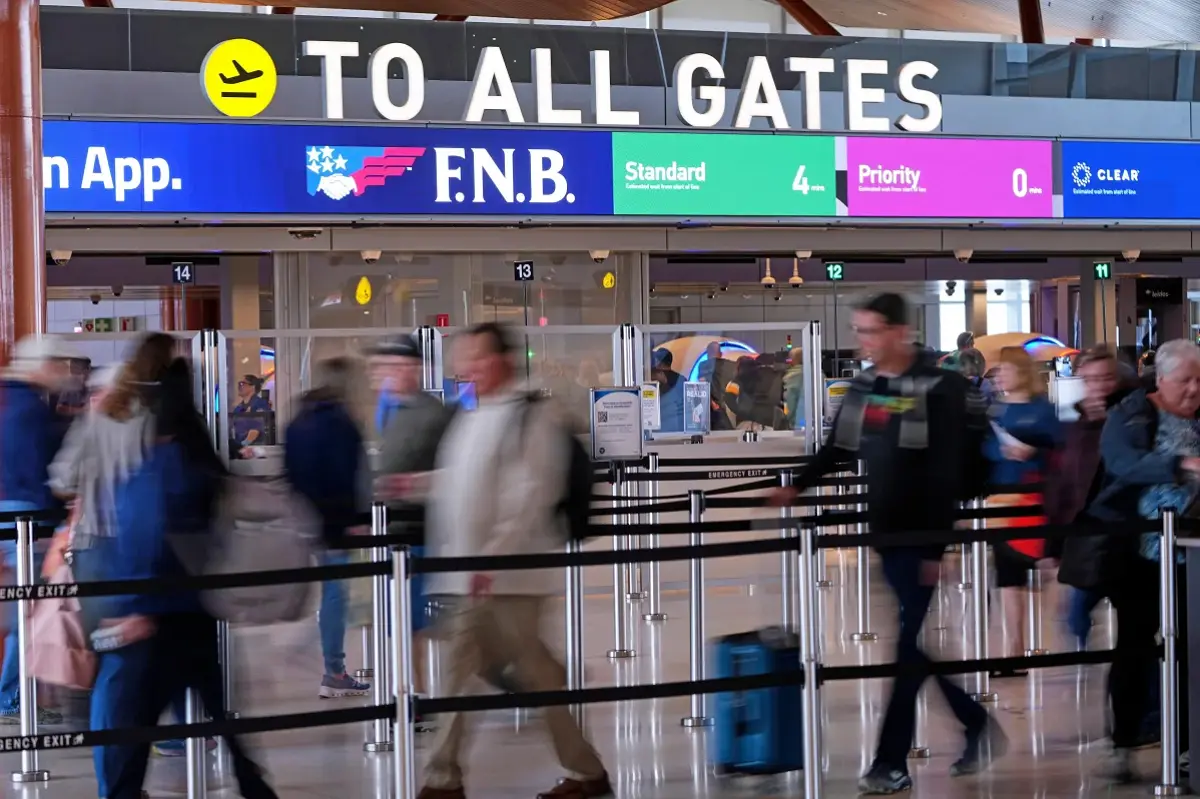
Airports across the United States experienced significant delays and long security lines in late March 2026 after a disruption linked to the Department of Homeland Security (DHS) affected screening operations, forcing passengers to adjust travel plans and prompting operational responses from airlines and airport authorities.
The disruption led to extended wait times at security checkpoints in multiple major airports, with passengers reporting delays of several hours. Airport officials said the issue impacted standard screening processes, causing congestion during peak travel periods.
Security disruption triggers widespread delays
Transportation and airport authorities confirmed that the disruption was connected to DHS-related systems or staffing issues, which affected the normal flow of passenger screening. As a result, security checkpoints operated at reduced efficiency, creating bottlenecks at key terminals.
Airports in major cities saw particularly heavy congestion, with long queues forming in departure areas. Officials said the situation was most severe during morning and evening travel peaks, when passenger volumes are typically highest.
Some travelers missed flights due to delays at security checkpoints, while others were required to rebook or adjust itineraries. Airlines said they worked to accommodate affected passengers where possible.
Passengers alter travel behavior
In response to the disruption, many passengers adjusted their travel plans, arriving earlier than usual or opting for alternative flights. Travel advisors reported increased demand for schedule changes and customer support services during the affected period.
Airport authorities advised passengers to allow additional time for security screening and check-in procedures. Several airports issued alerts recommending arrival at least two to three hours before domestic departures and longer for international flights.
Frequent travelers and business passengers were among those most impacted, with tight schedules disrupted by extended wait times.
Airlines and airport operations respond
Airlines implemented contingency measures, including rebooking options and additional staffing at service counters, to manage passenger flow. Some carriers adjusted boarding times to account for delays in passenger processing.
Airport operators increased on-ground coordination to manage queues and provide information to travelers. Staff were deployed to guide passengers through terminals and assist with crowd control measures.
Officials said coordination between airlines, airport authorities and security agencies was ongoing to restore normal operations.
Impact on travel and hospitality sector
The disruption had a ripple effect on the broader travel and hospitality sector, with delayed arrivals affecting hotel check-ins, ground transportation schedules and connecting travel plans. Industry stakeholders said such disruptions can influence traveler confidence and operational planning.
Travel companies noted that sudden disruptions highlight the importance of flexible booking policies and real-time communication with passengers.
Hospitality operators near major airports reported temporary fluctuations in guest arrivals due to delayed or rescheduled flights.
Government and operational updates
Authorities have not provided detailed public information on the exact cause of the disruption but confirmed that efforts are underway to stabilize operations and prevent further delays. DHS and related agencies are monitoring the situation and coordinating with airport security teams.
Officials indicated that normal operations are expected to resume once system or staffing issues are resolved. Additional updates are likely as investigations continue.
Current status
Airport operations across the United States remain active with ongoing efforts to reduce congestion and restore standard screening times, as authorities and airlines continue to manage the impact of the DHS-related disruption as of late March 2026.