Uzbekistan Airways IPO Faces Delay Over Efficiency
Uzbekistan Airways delays its IPO to 2027 as President Mirziyoyev highlights a USD 120 million annual efficiency opportunity.
 Jishan Khan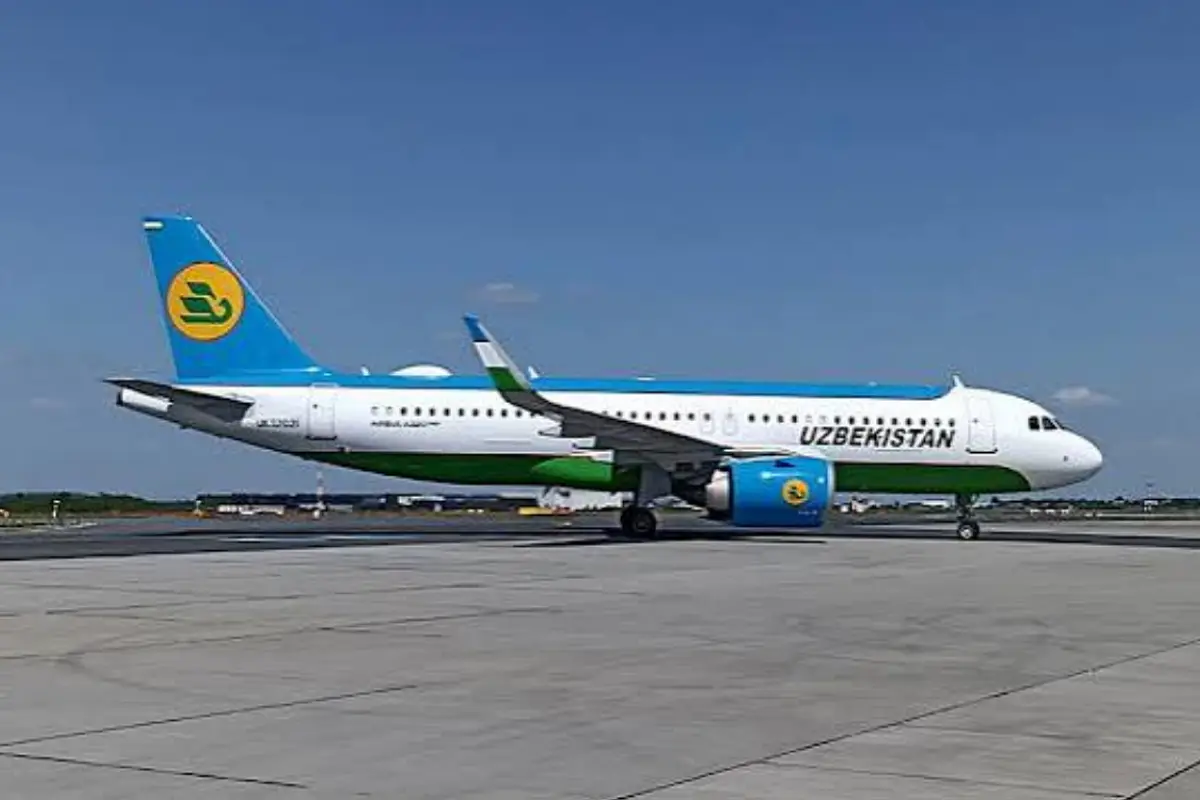
Uzbekistan Airways' IPO Has Been Delayed, Because Its President Just Publicly Admitted It Is Not Ready
Uzbekistan Airways has pushed its planned partial IPO from 2026 to 2027, after President Shavkat Mirziyoyev told a government meeting on July 21 that the airline is forgoing nearly USD 120 million in annual revenue through operational inefficiencies including poor route planning, infrequent schedules, chronic delays and monopolised catering and maintenance contracts. Franklin Templeton, which manages the Uzbekistan National Investment Fund holding a stake in the airline, has developed a 115-measure transformation programme targeting exactly that USD 120 million in additional annual operating profit.
A president publicly calling out his own national airline's inefficiencies in a government meeting, on the record, two months before a planned stock market listing. That is not standard pre-IPO communication. It is a reset.
What the Franklin Templeton Assessment Actually Found
Franklin Templeton was not brought in to validate Uzbekistan Airways for investors. It was brought in to diagnose what is wrong with it. The 115 measures in its transformation programme cover route optimisation, expansion of direct sales, higher flight frequency, reduced delays and cancellations, improved catering and technical services, better market adaptation and the attraction of qualified specialists. Each of those is a specific operational failure, not a demand problem, not a geopolitical headwind, not an external shock. They are internal management decisions that have compounded over years into a USD 120 million annual gap between what the airline earns and what it should earn.
The catering and maintenance monopoly is the detail that most directly explains the scale of the loss. Limited competition in catering and technical maintenance services means Uzbekistan Airways pays above-market rates for two of its largest recurring cost categories because no competitive alternative exists to discipline supplier pricing. An airline that cannot shop around for its own in-flight meals and engine maintenance is an airline structurally prevented from managing its cost base efficiently.
Why the IPO Delay Is the Honest Decision
Franklin Templeton's analysis suggests Uzbekistan Airways market value could increase from approximately USD 1.6 billion to USD 2.3 billion if the transformation programme is fully implemented, a 44% valuation uplift worth USD 700 million to the government and to the UzNIF investors who would participate in a listing. Listing at USD 1.6 billion when USD 2.3 billion is achievable in twelve months is not good capital markets strategy. Delaying the IPO to capture that value is straightforward arithmetic.
The UzNIF itself, which holds stakes in Uzbekistan Airways and 12 other state-owned companies including regional power networks and Uztelecom, completed its own dual listing in London and Tashkent in May 2026, raising USD 603 million at a USD 1.95 billion valuation. That listing created a reference point for international investors assessing Uzbek sovereign assets. An Uzbekistan Airways IPO priced off a post-transformation valuation of USD 2.3 billion becomes a cleaner, more credible offering than one launched mid-restructuring with unresolved operational problems visible in the prospectus.
The Pattern Across Central Asian Aviation
Uzbekistan is the fastest-growing aviation market in Central Asia, passenger volumes jumped 40% in 2025 to 18.1 million according to IATA's 2025 World Air Transport Statistics, a number we covered recently. That demand growth makes the efficiency gap more frustrating and more valuable simultaneously. An airline operating in a market growing at 40% annually that is leaving USD 120 million on the table through internal dysfunction is not a failing business, it is a high-potential asset being underperformed by the organisation running it.
The Franklin Templeton framework, the presidential intervention, the IPO delay and the 115-measure programme are all responses to the same diagnosis. Uzbekistan Airways does not have a demand problem. It has a management problem. And the government has decided, correctly, that fixing the management problem before inviting global investors to price the airline is worth twelve months of delay