Shareholders of Volaris and Viva Approve Merger to Create Mexico’s Largest Low-Cost Carrier
Shareholders of Mexico’s Volaris and Viva have approved a merger, paving the way for the creation of the country’s largest low-cost airline.
 Jishan Khan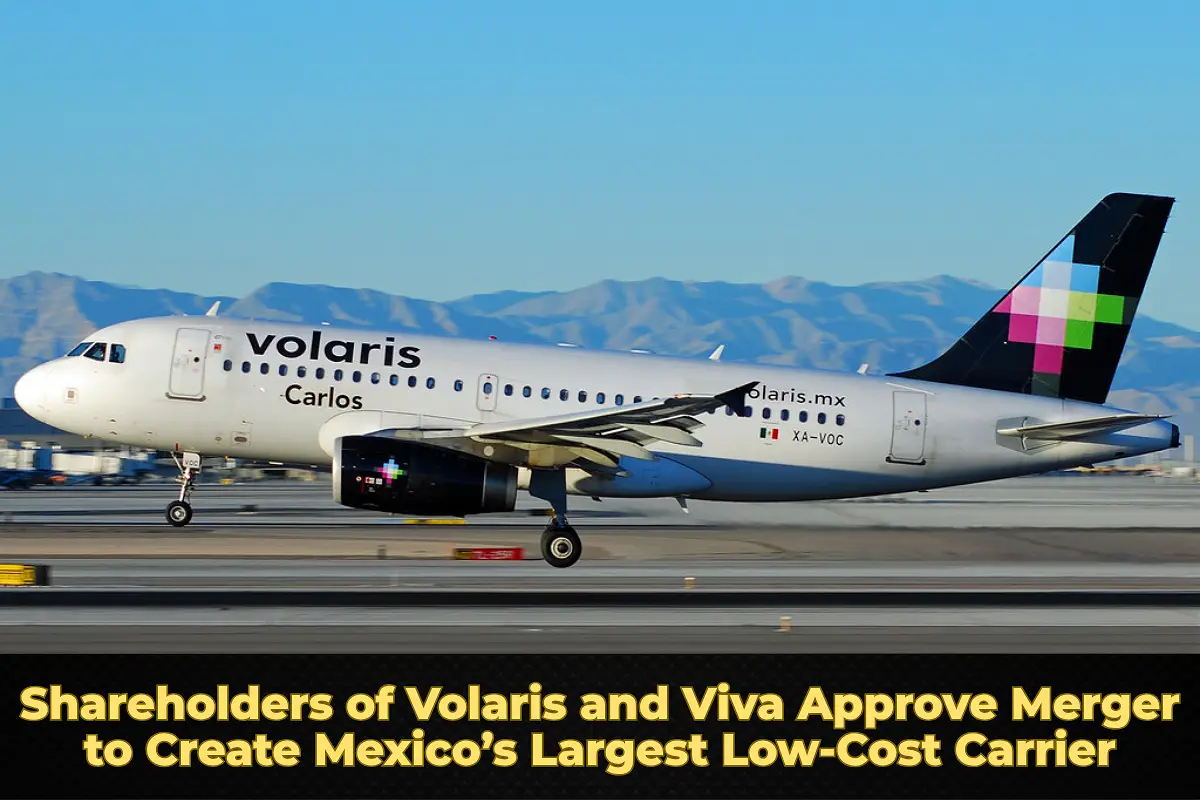
Shareholders of Mexican airlines Volaris and Viva have approved a proposed merger in 2026, marking a significant step toward creating the country’s largest low-cost carrier. The decision, confirmed following shareholder meetings held by both companies, brings the two major budget airlines closer to combining their operations in a move aimed at strengthening competitiveness, expanding network reach, and improving financial resilience in a challenging aviation environment.
The merger, which still requires regulatory approvals, is expected to reshape Mexico’s aviation market by consolidating two of its leading ultra-low-cost carriers. The combined entity would have a larger fleet, expanded route network, and enhanced ability to compete with both domestic and international airlines.
Strategic Rationale Behind the Merger
The merger between Volaris and Viva is driven by a shared strategy to scale operations and improve efficiency in a highly competitive and cost-sensitive market. Both airlines operate under ultra-low-cost business models, focusing on high aircraft utilization, ancillary revenue streams, and affordable fares.
By combining resources, the airlines aim to achieve economies of scale, reduce operational costs, and strengthen their market position. The integration is expected to allow for better fleet utilization, optimized route planning, and improved bargaining power with suppliers.
Industry analysts view the merger as a logical step in a market where consolidation can enhance long-term sustainability and profitability.
Impact on Mexico’s Aviation Market
The approval of the merger signals a major shift in Mexico’s aviation landscape, which has seen increasing competition and evolving demand patterns in recent years. The combined airline is expected to become the largest low-cost carrier in the country, potentially capturing a significant share of domestic and regional traffic.
This consolidation could intensify competition with full-service carriers as well as other low-cost operators, potentially leading to changes in pricing strategies and service offerings. Passengers may benefit from expanded connectivity and potentially lower fares due to increased efficiencies.
However, regulators are likely to closely examine the deal to ensure that competition is not adversely affected.
Regulatory Approval Process
While shareholder approval represents a critical milestone, the merger remains subject to regulatory review by Mexican competition authorities and other relevant bodies. These reviews will assess the potential impact on market competition, consumer choice, and pricing.
Regulators may impose conditions or require adjustments to the deal to address any concerns related to market dominance or anti-competitive behavior. The timeline for approval will depend on the complexity of the review process and the findings of regulatory authorities.
The airlines have indicated their commitment to working closely with regulators to ensure compliance and facilitate a smooth approval process.
Operational Integration Challenges
Merging two airlines involves significant operational and organizational challenges, including aligning fleets, integrating systems, and harmonizing corporate cultures. Volaris and Viva will need to carefully manage these aspects to ensure a successful transition.
Fleet integration will be a key consideration, as both airlines operate Airbus aircraft but may have differences in configurations and operational practices. Streamlining operations while maintaining service quality will be critical to achieving the intended benefits of the merger.
Employee integration and alignment of management structures will also play a crucial role in the success of the combined entity.
Financial and Economic Implications
The merger is expected to enhance financial stability by creating a stronger balance sheet and improving access to capital. In an environment characterized by rising fuel costs, currency fluctuations, and economic uncertainty, a larger and more efficient airline may be better positioned to manage risks.
Cost synergies, including savings in maintenance, procurement, and administrative functions, could contribute to improved profitability over time. The combined airline may also have greater flexibility to invest in fleet modernization and network expansion.
Investors have generally viewed the merger positively, seeing it as a strategic move to strengthen the competitive position of both airlines.
Network Expansion Opportunities
The merger is expected to create opportunities for network expansion, both within Mexico and in international markets. By combining their route networks, the airlines can offer passengers a wider range of destinations and improved connectivity.
This could include the addition of new routes, increased flight frequencies, and better coordination of schedules. The expanded network may also enhance the airline’s ability to capture growing demand for leisure and business travel.
Improved connectivity could support tourism and economic activity in various regions.
Passenger Experience and Service Model
Both Volaris and Viva operate under ultra-low-cost models, emphasizing affordability and optional add-on services. The merged airline is expected to maintain this approach, focusing on cost efficiency while offering passengers the flexibility to customize their travel experience.
Passengers may benefit from a broader range of options, including bundled services and loyalty programs. However, maintaining consistency in service quality and communication during the integration process will be essential to retaining customer trust.
The airlines are likely to prioritize clear communication with passengers to ensure a smooth transition.
Broader Industry Context
The merger reflects a broader trend of consolidation in the global aviation industry, as airlines seek to navigate economic challenges and competitive pressures. Mergers and partnerships have become increasingly common as carriers look to achieve scale and efficiency.
In Latin America, the aviation sector has faced unique challenges, including economic volatility, regulatory complexities, and infrastructure constraints. Consolidation can help airlines address these challenges by creating stronger and more resilient entities.
The Volaris-Viva merger is one of the most significant developments in the region’s aviation market in recent years.
Future Outlook
Looking ahead, the success of the merger will depend on effective execution, regulatory approval, and the ability to realize anticipated synergies. The combined airline will need to navigate integration challenges while maintaining operational performance and customer satisfaction.
If successfully implemented, the merger could set a precedent for further consolidation in the region and strengthen Mexico’s position as a key aviation market in Latin America.
Stakeholders will be closely monitoring developments as the deal progresses through regulatory review and integration phases.
Current Status
Shareholders of Volaris and Viva have approved the merger, with the transaction now awaiting regulatory approvals before the integration of the two airlines can proceed.