CIDCO Plans 20-Acre Africa Trade Hub in Navi Mumbai with Hotels, Convention Centre
CIDCO plans a 20-acre Africa India International Development Zone in Navi Mumbai with hotels, serviced apartments, and a 6,000-seat convention centre.
 nishathapa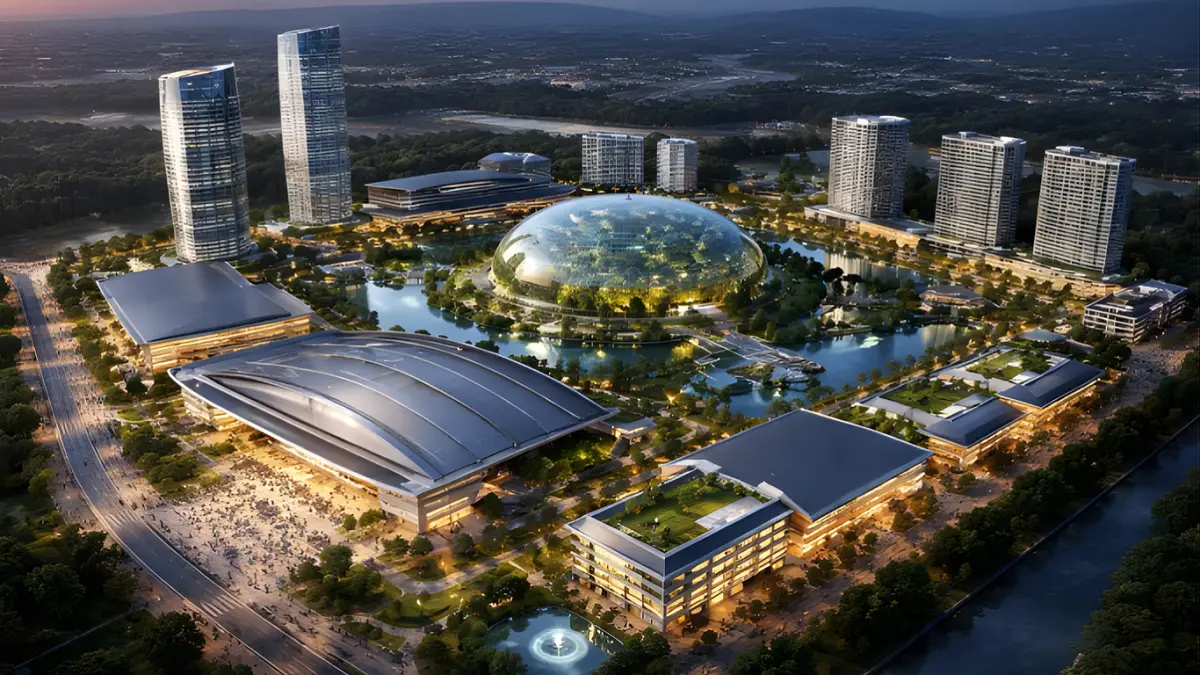
Navi Mumbai, April 2026: The City and Industrial Development Corporation (CIDCO) has proposed a 20-acre integrated trade and diplomacy hub in Kharghar, Navi Mumbai, anchored by hotels, serviced apartments, and a 6,000-seat convention centre. The project, part of the Africa India International Development Zone (AIIDZ), aims to create a combined business, hospitality, and exhibition ecosystem within the Mumbai Metropolitan Region.
The development is planned within the International Corporate Park and is designed as a self-contained district to support year-round global business activity. The proposal has been submitted to the Maharashtra government, marking the formal initiation of the project.
Large-Scale MICE Infrastructure Anchors Development
The proposed hub will include a convention centre with a seating capacity of 6,000, alongside approximately 2.5 lakh square feet of exhibition space. These facilities are intended to host international conferences, trade fairs, and large-scale business events, positioning the project as a major MICE (Meetings, Incentives, Conferences, and Exhibitions) destination.
Supporting infrastructure will include retail zones, delegate facilities, and integrated hospitality offerings. Hotels and serviced apartments are central to the project’s design, aimed at accommodating international delegates, business travellers, and long-stay visitors attending events at the venue.
The scale and integrated planning indicate a focus on capturing demand from global trade events and institutional gatherings, sectors that require both large venues and adjacent accommodation capacity.
Strategic Location Near Airport and Port Connectivity
The project’s location in Kharghar provides proximity to key infrastructure, including the upcoming Navi Mumbai International Airport and the Jawaharlal Nehru Port Trust (JNPT). This positioning is expected to improve accessibility for international visitors and strengthen the hub’s role in facilitating global trade interactions.
The connectivity advantages are likely to support the development’s dual function as both a business district and a hospitality destination. Ease of access is considered critical for MICE-focused developments, particularly those targeting international participation.
By situating the project within an emerging urban corridor, CIDCO aims to leverage infrastructure expansion to attract investment and drive sustained demand for hospitality and event-led services.
Dedicated Diplomatic and Commercial Ecosystem
A key component of the AIIDZ project is the creation of a central business tower that will house permanent office spaces for representatives of all 54 African nations, along with Indian public and private sector entities. This structure is intended to establish a long-term diplomatic and commercial presence within the development.
The inclusion of such facilities signals a strategic effort to deepen economic engagement between India and African countries through a permanent institutional framework. The hub is expected to serve as a platform for trade collaboration, policy dialogue, and cross-border partnerships.
An additional feature of the project is the proposed Africa-India Bio Dome, envisioned as a space for cultural exchange, environmental initiatives, and innovation-led collaborations, further expanding the scope beyond traditional business infrastructure.
Project Structure, Timeline, and Revenue Outlook
The AIIDZ will be developed through a special purpose vehicle, with the Africa India Economic Foundation holding a 74% stake and CIDCO retaining the remaining 26%. This structure is intended to facilitate coordinated development and investment management.
According to project details, the development is expected to become operational within six to eight years. Revenue projections indicate that the hub could generate approximately USD 30 million by its sixth year of operations, reflecting anticipated demand from trade, hospitality, and event segments.
The phased execution timeline aligns with the scale and complexity of the project, which combines infrastructure development with long-term institutional occupancy.
Boost to Trade, Tourism, and Hospitality Demand
Officials have positioned the project as a catalyst for strengthening economic ties between India and African nations, while also contributing to tourism and investment flows. The integration of hospitality infrastructure is expected to play a critical role in enabling large-scale international engagements.
Beyond direct economic impact, the development is expected to generate employment opportunities and support micro, small, and medium enterprises (MSMEs) through increased business activity in the region.
The project also aligns with broader ambitions to position the Mumbai Metropolitan Region as a key gateway for the Global South. By combining trade infrastructure with hospitality and convention facilities, the AIIDZ reflects a model where hotels and serviced residences are integral to business ecosystem development.
Once completed, the hub is expected to function as a multi-purpose destination, bringing together trade, diplomacy, and hospitality within a single integrated framework.