Hyatt Regency Dehradun Launches Wellness-Led Spiritual Retreats Near Chaar Dham Circuit
Hyatt Regency Dehradun Resort & Spa introduces wellness-led spiritual retreats near the Chaar Dham circuit, integrating pilgrimage support with curated experiences and spa offerings.
 nishathapa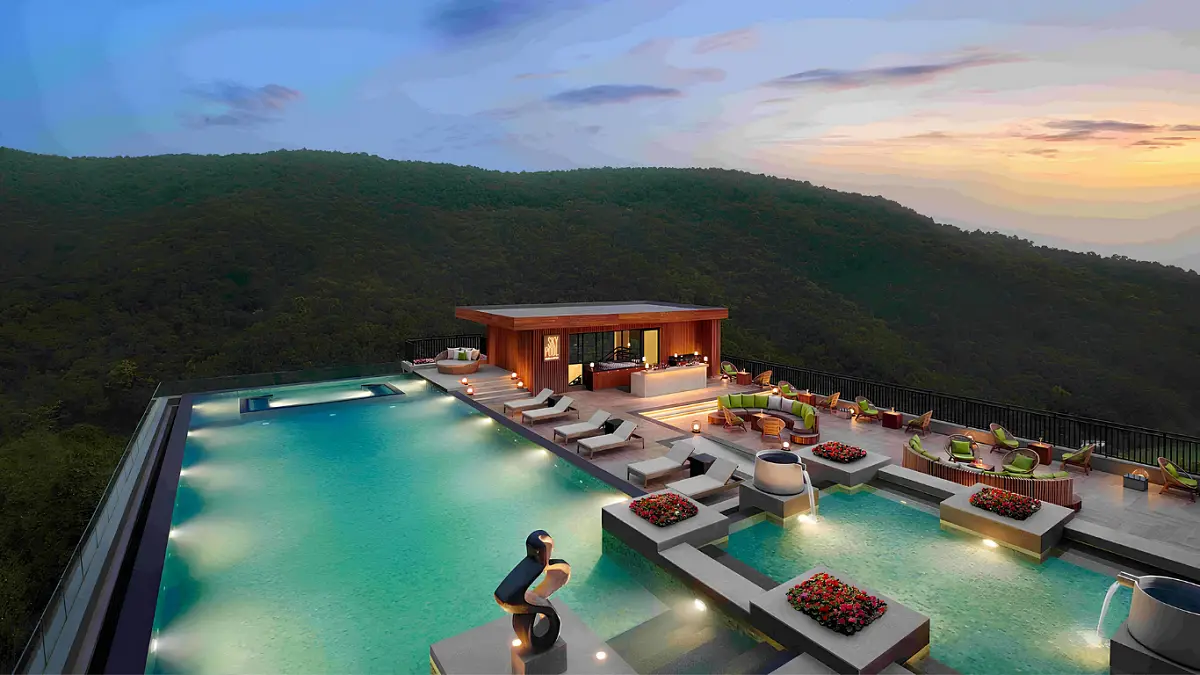
Dehradun, May 2026: Talk on the ground in Uttarakhand is shifting, pilgrimage is no longer just about the journey, it’s about where you stop and how you recover.
Hyatt Regency Dehradun Resort & Spa has rolled out a wellness-led spiritual retreat built around integrated hospitality experiences. Set in the foothills of Mussoorie, the property is leaning into a clear demand shift, pilgrims now want comfort, planning support, and downtime built into the trip.
And this isn’t positioned as a pit stop. The hotel is pushing itself as a destination in its own right.
Positioning within the Chaar Dham travel circuit
The resort’s location gives it a strong advantage, close enough to the Chaar Dham route to stay relevant, yet far enough to offer a break from the intensity of travel.
It’s targeting families, older travellers, and multi-generational groups who want smoother movement between destinations.
Guests can use it as a starting point, a pause, or a final stop.
That flexibility matters.
Spiritual tourism is picking up pace. Better roads, increased flight connectivity, and rising guest expectations are pushing hotels to step in with more than just accommodation.
Integrated concierge support for pilgrimage travel
This is where the real shift becomes visible.
The resort is offering end-to-end concierge support, planning routes, arranging transport, building itineraries, and managing on-ground coordination.
For many travellers, especially families and elderly guests, this removes a significant layer of friction.
It allows them to focus on the purpose of the trip rather than the logistics.
Hotels are clearly moving beyond stay-only models. They are aiming to take control of the entire guest journey.
Wellness and recreational experiences within the resort
Once guests return to the property, the focus shifts quickly, from movement to recovery.
Daily yoga sessions, meditation, spa therapies, and low-intensity recreational activities are integrated into the experience.
The idea is simple: balance physical strain with structured recovery time.
This also broadens the appeal.
Not every traveller in a group is focused solely on the pilgrimage, some are looking for a slower, more relaxed stay.
Evenings feature curated rituals and shared experiences, designed to feel more personal and less rigid.
Curated excursions to regional spiritual destinations
The hotel is also extending the experience beyond its premises.
It connects guests to key regional destinations such as Haridwar, Rishikesh, and Tapkeshwar Temple.
Experiences like the Ganga Aarti are incorporated into structured itineraries, bringing continuity to what can otherwise feel like disconnected visits.
This creates a more cohesive journey, one that feels planned rather than fragmented.
Multi-generational travel and evolving guest expectations
The entire offering is designed with mixed groups in mind.
Some guests participate in the pilgrimage, while others stay back to engage in wellness, dining, or leisure activities.
This reflects a broader shift in travel behaviour, one trip now serves multiple expectations.
Hotels are adapting by layering diverse experiences within a single stay.
It not only extends the duration of stay but also increases on-property spending.
This move by Hyatt Regency Dehradun is not just about launching a single retreat.
It signals a wider transformation, spiritual travel is being reshaped by comfort, structure, and the overall guest experience throughout the journey.