Millwize Expands into 6 Metro Cities, Plans 10 Million Sample Distribution
Millwize expands across six Indian metro cities with plans to distribute 10 million millet-based snack samples, targeting urban demand for healthier food options.
 nishathapa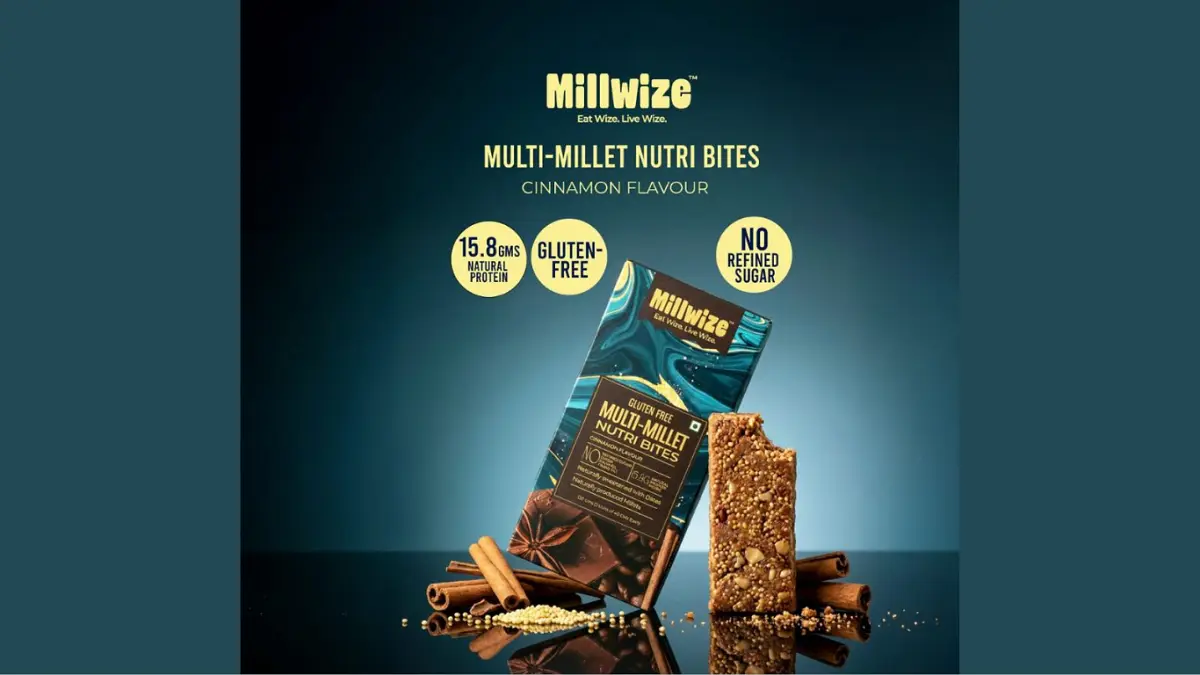
Mumbai, May 2026: The chatter among FMCG insiders is getting sharper, if you want scale in health foods, you go straight to metro households, not just store shelves. Millwize is making that bet loud and clear.
The company has announced expansion across six major metro cities, Delhi NCR, Mumbai, Pune, Bengaluru, Chennai, and Hyderabad, as part of a push to capture rising urban demand for healthier snack options. And it’s going aggressive on distribution, planning to send out 10 million sample packs of its millet-based cookies directly to homes.
This isn’t slow retail expansion. It’s a direct strike at consumers.
Expansion Strategy Targets Urban Consumption Hubs
The six cities in focus aren’t random, they are India’s biggest consumption engines.
Delhi NCR, Mumbai, Pune, Bengaluru, Chennai, and Hyderabad bring higher spending power, faster trend adoption, and stronger awareness around food choices.
And that matters.
Metro consumers are usually first to try clean-label and functional foods. They also have better access, delivery networks, digital platforms, and faster brand recall.
Millwize is stepping into markets where people are already experimenting with millets and healthier alternatives.
Less convincing. More converting.
10 Million Sample Packs to Drive Consumer Adoption
The real play here is sampling at scale.
10 million packs. Straight to households.
No middle layer.
This move cuts through ad clutter. Instead of telling people the product is healthy, the brand is putting it in their hands.
And that’s where trust builds.
Sampling is becoming a serious tool in packaged food. Especially in crowded categories where claims don’t stick easily.
This model also gives Millwize direct access to consumers, something retail shelves can’t always guarantee.
Focus on Nutrition and Ingredient Integrity
The product pitch is clean and simple.
- Millet-based formulations
- Gluten-free
- No refined sugar
- Sweetened with jaggery and dates
- No trans fats or palm oil
- No artificial colours, flavours, or preservatives
This aligns with what urban buyers are scanning for on labels, shorter ingredient lists and fewer red flags.
But there’s a deeper layer.
The company is also working on how the body absorbs nutrients from millets. Techniques like controlled sprouting and heat processing are being used to improve absorption of minerals like iron and zinc.
Because just “healthy” on paper isn’t enough anymore.
Scientific Backing and Product Development
Millwize is leaning on research credibility to strengthen its positioning.
Dr. Shrikrishna Bilaiya, Principal Scientist in Agronomy with over 40 years of experience, is backing product development.
His work spans millet research, improved crop varieties, and collaboration with indigenous farming communities.
The issue being tackled is real, millets contain phytic acid, which can block mineral absorption.
The company claims its processing methods reduce that barrier.
So the focus isn’t just on adding nutrients, but making sure the body can actually use them.
Positioning Within the Health and Wellness Trend
Urban food habits are shifting, and fast.
Consumers are reading labels. Questioning ingredients. Looking beyond marketing claims.
And they’re willing to switch if the product feels right.
Millwize is trying to bridge that gap, between wanting to eat healthy and actually doing it daily.
Metro cities are the testing ground. If it works here, it scales.
By combining mass sampling, cleaner ingredients, and a sharper nutrition story, the brand is pushing millets out of the niche corner and into everyday snacking.
And that’s the bigger shift.
Health food in India is no longer a side category. It’s moving mainstream, and companies that move early are trying to lock in that space before it gets crowded.