Noesis Consulting Report Flags Content-Led Hotel Demand Shift
Noesis Consulting report highlights shift to content-first hotel demand in India, driven by digital discovery, and experience-led travel behaviour.
 nishathapa
New Delhi, May 6, 2026: A new industry report by Noesis Consulting has identified a structural shift in how hotel demand is generated in India, with digital discovery increasingly influencing traveller decisions before active search begins. The findings point to a transition from traditional booking behaviour to a content-driven demand model shaped by social media exposure and visual engagement.
According to the report, the conventional booking journey, historically defined by search, comparison, evaluation, and final booking, has evolved significantly. Travellers are now forming preferences earlier in the decision cycle through repeated exposure to digital content, with booking acting as a confirmation step rather than the starting point.
Shift from search-led to content-first booking behaviour
The report highlights that hotel demand is no longer primarily driven by destination-based searches or price comparisons. Instead, it is increasingly influenced by passive discovery through social platforms, where travellers encounter properties without actively seeking them.
This “content-first” model marks a departure from linear booking behaviour. Consumers are now exposed to hotels through short-form videos, curated visuals, and influencer-led content, gradually building familiarity and recall. As a result, when travellers initiate the booking process, they often already have a preferred property in mind.
This shift is also linked to changing digital consumption patterns. Increased screen time and the popularity of visual-first platforms have altered how travellers engage with hospitality brands, placing greater emphasis on storytelling and visual appeal.
Experience-led demand reshaping booking patterns
The report notes that evolving consumer behaviour is directly impacting demand characteristics across the hospitality sector. Booking windows are becoming shorter, particularly in the leisure segment, as travellers rely less on extensive comparison and more on pre-formed preferences.
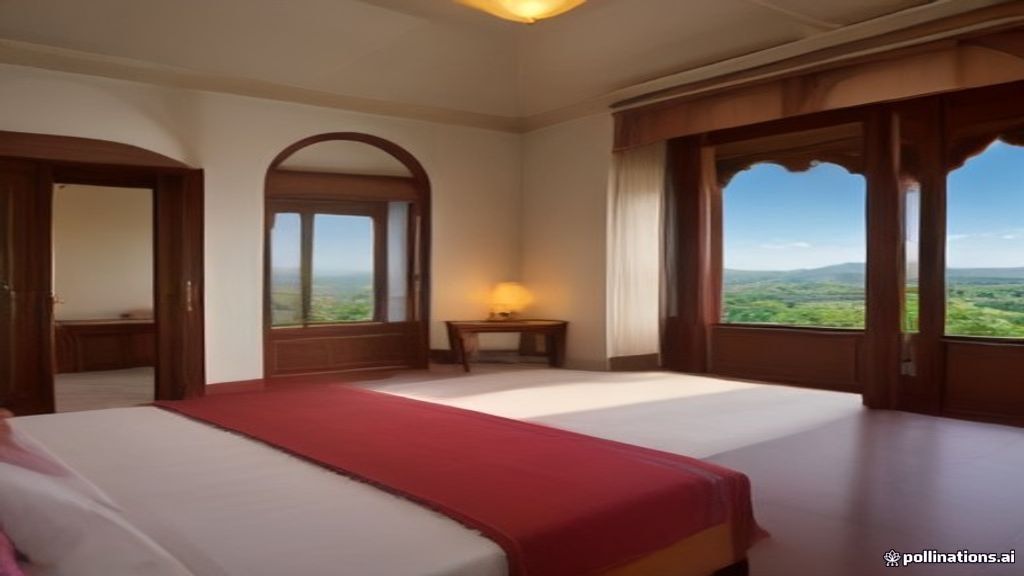
At the same time, demand is becoming more experience-driven. Features such as infinity pools, wellness offerings, scenic views, and distinctive design elements are emerging as key decision factors. These attributes are increasingly influencing booking choices, often taking precedence over traditional considerations such as location.
The findings suggest that travellers are prioritising memorable and visually appealing experiences, aligning with broader shifts toward experiential consumption in tourism.
Digital visibility linked to occupancy and pricing power
The report identifies a direct correlation between a property’s digital visibility and its commercial performance. Hotels with strong online presence and consistent exposure across social platforms are seeing higher occupancy levels and improved pricing flexibility, even when located outside prime areas.
Demand spikes are also becoming more dynamic, with content virality playing a significant role. Properties featured in widely shared content can experience rapid increases in bookings, requiring operators to respond with agile pricing and inventory management strategies.
This development indicates that visibility has become a critical factor in demand generation, influencing not only occupancy but also revenue optimisation.
Operational implications for hotel operators
The shift toward content-driven demand has operational implications for hospitality businesses. The report emphasises the need for hotels to align design, operations, and marketing strategies to create environments that encourage content creation and sharing.
Properties are increasingly expected to incorporate “capture points”: visually distinctive spaces or experiences that guests are likely to photograph and share online. However, the report notes that digital appeal must be supported by consistent on-ground delivery to sustain demand and guest satisfaction.
Additionally, continuous digital engagement is emerging as a key driver of demand, replacing traditional campaign-led marketing approaches. Hotels are required to maintain a steady presence across digital platforms to remain visible and relevant in a competitive market.
Structural change in hospitality demand generation
The report concludes that the hospitality sector is witnessing a fundamental shift in demand generation, driven by the growing influence of digital ecosystems. Visibility, rather than availability alone, is becoming central to attracting and converting customers.
This transition reflects broader changes in consumer behaviour, where decision-making is increasingly shaped by content consumption patterns. For the hospitality industry, adapting to this environment will require a redefinition of marketing strategies, operational design, and guest engagement models.
As digital discovery continues to influence travel decisions, the report suggests that hotels will need to prioritise integrated approaches that combine experience design with sustained digital presence to remain competitive in a rapidly evolving market.