Sicilian Resort Solar Power Cuts 500K in Annual Energy Costs
Sicilian resort solar power at Saracen Sands Hotel near Palermo reaches 1 MW capacity with a new carport and battery system forecast to save 500,000 euros a year.
 RUKAIYA KADIWAL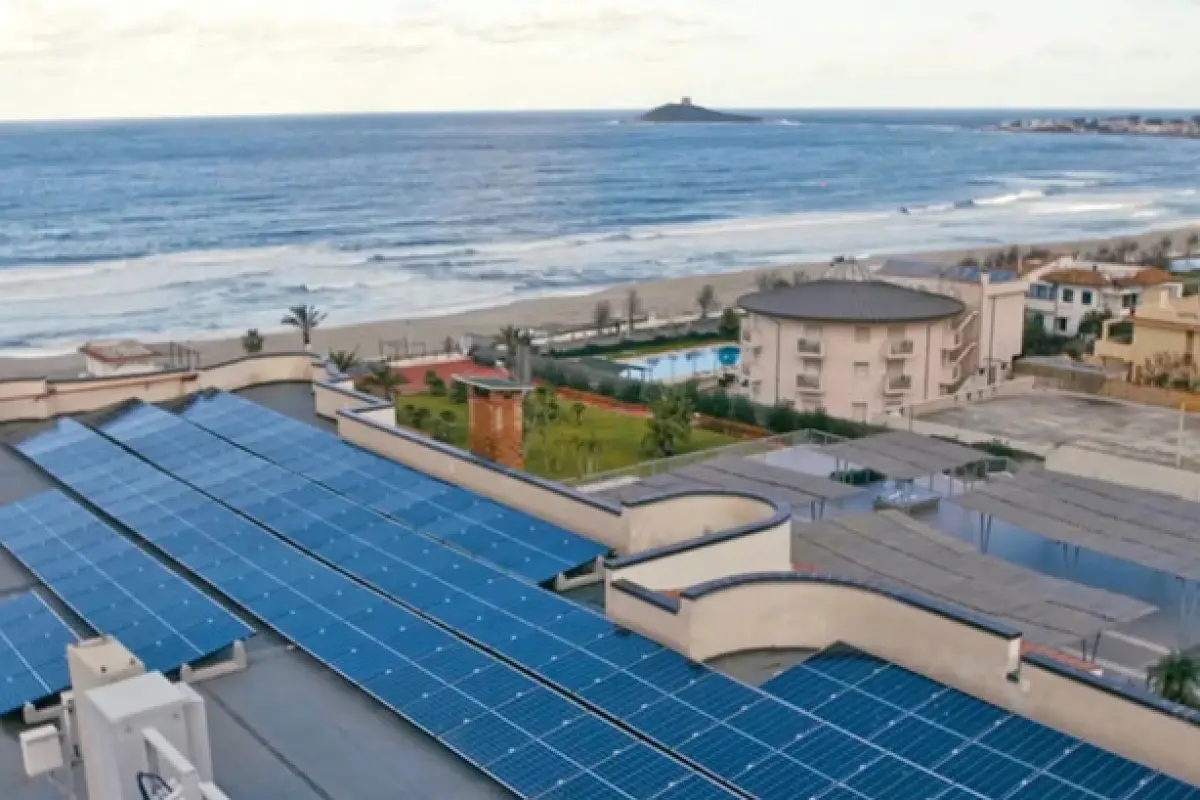
The Mediterranean in summer does not negotiate its terms. It delivers heat with the same indifference it delivers light, pressing down on rooftops and car parks and swimming pools and the three hundred guests moving between them, each one requiring cooled air and refrigerated food and heated water, each one contributing to an electricity bill that compounds across a season whose peak demand coincides precisely with the hours when the grid is under its greatest strain. The sun that brings people to Sicily in August is the same sun that makes running a coastal resort in August so expensive. At the Saracen Sands Hotel near Palermo, someone eventually decided to treat this not as a fixed cost but as an underutilised resource.
Sicilian Resort Solar Power Reaches 1 MW Capacity at Saracen Sands
The Sicilian resort solar power installation at Saracen Sands Hotel and Conference Centre has reached a total renewable capacity of one megawatt following the addition of an 850 kW solar carport built from 2,500 JA bifacial double-glass modules. The new system joins the hotel's existing 150 kW rooftop solar installation, both designed and implemented by Noon Srl, the renewable energy specialist that has now worked with the property on two successive phases of its energy transition. Eight JAPlanet batteries providing more than 2 MWh of storage allow the hotel to run for up to five hours in the evening without drawing from the grid, a capability that addresses the fundamental mismatch between when a Mediterranean resort generates solar power and when its guest population most intensively consumes it.
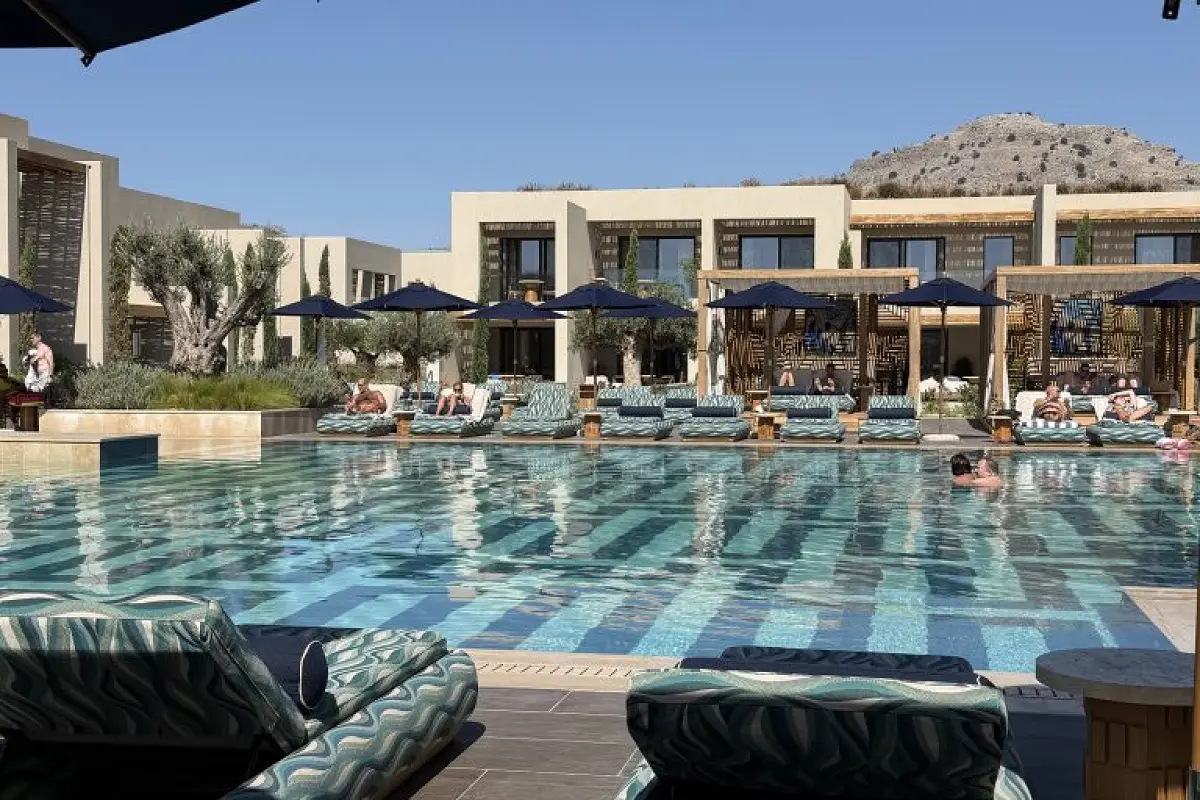
The 237-room complex includes a conference centre, three swimming pools, a wellness centre, and a restaurant, the combination of amenities that defines the full-service resort model and that drives the kind of continuous, high-volume electricity demand that has left operators across southern Europe increasingly exposed to grid pricing volatility. The investment is expected to slash 500,000 euros a year from the hotel's energy costs, with the combined carport and battery system forecast to generate 1.5 GWh annually, covering around ninety percent of the hotel's electricity needs and reducing its carbon dioxide emissions by roughly 320 tonnes each year. The payback period is projected at under four years.
The Decision Behind the Investment
Salvo Zappalà, chief executive of Dimsi Hospitality Group, which owns the resort, described the commercial logic behind the project in terms that locate it within a wider pattern of hospitality operators reconsidering their relationship with energy infrastructure. Rising electricity costs had left the hotel increasingly exposed, he said, and the response was not simply to absorb the increase but to restructure the hotel's energy supply. "We wanted to take back control by producing more of our own energy and making better use of it throughout the day," he said. "This investment is about building a more resilient business that is better prepared for future energy challenges."
The phrase taking back control is worth dwelling on. It describes a shift in how a hospitality operator understands its relationship with the grid, from a passive consumer of electricity priced by external markets to an active generator and manager of its own supply. For a resort whose revenue peaks in the months when electricity is most expensive and demand on the grid is highest, the ability to decouple operating costs from grid pricing represents a structural improvement to the business model rather than simply a reduction in a line item.
A Car Park That Now Does More Than Hold Cars
The carport configuration of the new installation is itself a design decision worth examining. The 850 kW array, built across the hotel's car park from 2,500 bifacial double-glass modules, converts what was previously a passive surface into an active energy generation asset while simultaneously providing guests with shaded and hail-protected parking. The carport does not sacrifice any of the car park's existing function. It adds to it, generating power from a surface that previously absorbed heat and light without returning either.
The bifacial double-glass construction of the modules was chosen partly for its durability against the specific environmental conditions of a Mediterranean coastal site. Moisture, salt mist, and corrosion are standing concerns for equipment installed within range of the sea, and the double-glass design addresses those concerns without requiring a premium over single-glass alternatives that would extend the payback period. The system's modular design allows battery capacity to expand to 5.2 MWh as demand rises, a scalability feature the hotel is counting on as it explores adding electric vehicle charging powered by the same renewable system.
What the Evening Hours Required
The battery storage component of the installation addresses a problem that has historically limited the operational value of solar power for hospitality operators. Solar generation peaks in the middle of the day, when guests are at the pool or on the beach and the hotel's in-room energy consumption is at its lowest. The evening hours, when guests return, use the restaurant, run hot showers, watch television, and cool their rooms through the night, represent the period of highest energy consumption and the period of lowest solar generation. Without storage, a solar array's output and a resort's demand curve run in opposite directions.
The 2 MWh of battery storage installed at Saracen Sands bridges that gap by capturing surplus solar generation during the day and releasing it during the evening hours when the grid would otherwise be the only available source. Five hours of grid-independent operation in the evening is not a complete solution to the mismatch, but it is a substantial one, and the modular battery design means the hotel can expand that buffer as its energy management strategy develops and as battery costs continue their trajectory toward lower per-kWh pricing.
What This Installation Signals for Southern European Hospitality
Giuseppe Puleo, chief executive of Noon Srl, situated the Saracen Sands project within a broader commercial shift he is observing across the renewable energy sector. "Projects like this demonstrate why more commercial customers are investing in integrated solar and storage solutions," he said. "Businesses are looking to maximise the value of their solar investments by capturing surplus generation and using it when it provides the greatest financial and operational benefit." His framing describes a maturation in how commercial solar customers think about their installations, from a simple reduction in grid consumption during daylight hours to a fully managed energy asset that generates, stores, and deploys power according to the operator's specific demand profile.
Hotels across southern Europe have been moving in this direction at an accelerating pace, driven by high cooling demand during peak season and by the exposure to electricity price volatility that the energy market disruptions of recent years have made impossible to ignore. Coastal and island sites face an additional constraint: grid capacity on many Mediterranean islands and coastal areas becomes strained precisely during the tourist season, when energy demand from resorts and visitors peaks. A resort that can meet ninety percent of its electricity needs from its own generation is a resort that has significantly reduced its dependence on infrastructure that may not always be capable of meeting its demand reliably.
The Restaurant, the Pool, the Conference Centre, and the Cost Behind Each
The operational profile of a 237-room resort with three swimming pools, a conference centre, a wellness centre, and a restaurant describes a particularly demanding energy consumer. A swimming pool requires continuous circulation and filtration and, for heated pools, the sustained application of energy to maintain water temperature across all the hours guests might wish to use it. A wellness centre imposes its own continuous load through steam rooms, saunas, and the lighting and climate control of spaces that guests expect to be comfortable regardless of the hour. A restaurant runs commercial refrigeration around the clock and applies significant cooking energy across service periods that extend through the evening.
Each of these facilities contributes to a load profile that, before the solar and battery installation, was met entirely by the grid at commercial electricity rates that have risen significantly across southern Europe in recent years. Covering ninety percent of that load through on-site generation changes the economics of operating each of these facilities individually and the resort as a whole, converting a variable operating cost into a fixed capital investment with a defined payback period and a declining cost profile as the installation generates power at negligible marginal cost across its operational life.
Palermo's Sun, the Hotel's Roof, and the Long Arithmetic of the Mediterranean
The Saracen Sands installation will be generating power tomorrow whether or not anyone is watching the panels convert light into electricity. The Mediterranean sun that drove the energy bill will fill the batteries instead, stored for the evening hours when guests sit in the restaurant that the panels now power, looking out at the same sea that made the solar investment viable in the first place. The arithmetic of the decision Dimsi Hospitality Group made is straightforward. Five hundred thousand euros a year, a payback period under four years, ninety percent energy independence, 320 tonnes of carbon removed from the resort's annual footprint. What is less straightforward, and perhaps more significant, is what the decision represents for a hospitality industry still working out its relationship with the energy infrastructure it depends on. A Sicilian resort looked at its car park and its roof and its electricity bill and decided to change all three at once. The sun had been available the whole time.
Related reading: Aspire and Amex lounges expand across Canada in Calgary and Montreal