Why Sanjeev Kapoor Demanded Re 1 More Than Akshay Kumar to Join MasterChef India
Chef Sanjeev Kapoor reveals why he turned down MasterChef India season one: he demanded one rupee more than Akshay Kumar. He finally got his way.
 Prajakta Sanjay Warwadkar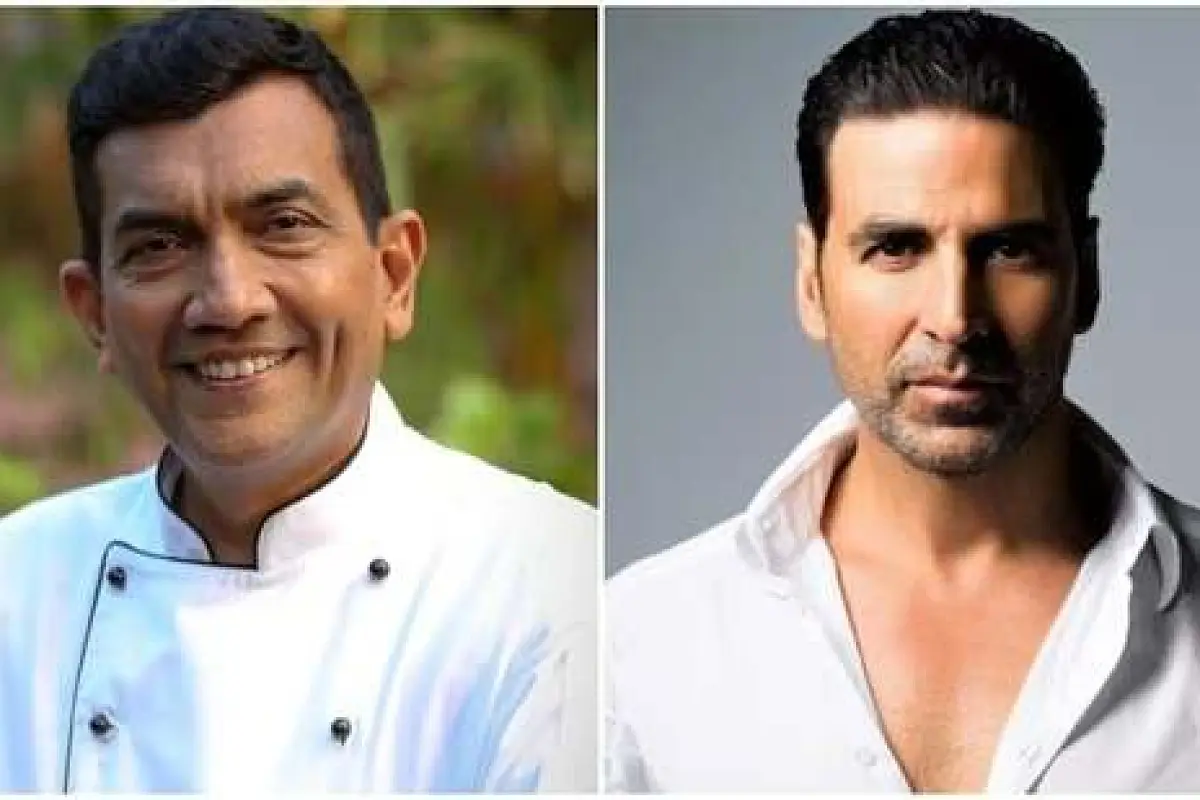
Sanjeev Kapoor’s Ultimatum: Why India’s Top Chef Said "No" to MasterChef
Celebrity chef Sanjeev Kapoor has finally pulled back the curtain on one of the most talked-about contract negotiations in Indian television history. In a candid conversation with Culinary Culture, the man who essentially built the country’s food TV industry revealed he rejected the debut season of MasterChef India for a very specific reason: he demanded to be paid exactly one rupee more than Bollywood superstar Akshay Kumar.
It sounds like a power move, and, frankly, it was. Kapoor, a household name since the early 90s thanks to Khana Khazana, wasn’t just looking for a payday. He was making a point about expertise.
The One-Rupee Standoff
When the producers of MasterChef India knocked on his door in 2010, they wanted a mix of culinary authority and star power. They had their eyes on Akshay Kumar for the face of the show. Kapoor was their pick for the culinary credibility.
But there was a hitch. Kapoor insisted on a fee structure that would place him at the top of the food chain—literally.
"My condition was that I should be paid more than Akshay Kumar, just one rupee more," Kapoor explained. "There was nobody else who could do it but me. It was quite obvious."
The producers balked. Kapoor walked.
Here’s the thing: it wasn't about ego. Well, maybe a little bit of ego. But more than that, it was about acknowledging his standing in the industry. For two years, the makers reportedly begged him to at least appear as a guest judge. He refused every time. He knew what he was worth, and he wasn't going to budge for a production that didn't see it his way.
Why He Finally Caved
By 2013, the show was hitting a wall. The ratings weren't hitting the marks the network wanted, and the format felt shaky. The producers returned to Kapoor, this time with their tail between their legs, asking for his help to save the franchise.
Why did he agree to join for the third season? It wasn't just to prove he could command the salary he wanted. It was about the industry's survival.
"I felt that if MasterChef failed in this country, we were doomed," he admitted. At the time, Kapoor was running his own channel, Food Food, and he understood that a high-profile failure in the food space would make it harder for everyone else to secure funding and interest. He saw the bigger picture, even if it meant stepping into a show he had already rejected twice.
When I asked if he actually got that extra rupee, he didn't mince words. He laughed and confirmed it. Of course he did.
A Shift in the Culinary Landscape
Look, you have to respect the hustle. In an industry where chefs are often treated as secondary to the celebrities they work alongside, Kapoor’s insistence on being the highest-paid person in the kitchen was a clear message to the entertainment world.
The history of MasterChef India is actually quite messy when you look back:
- Season 1 (2010): Akshay Kumar, Kunal Kapur, and Ajay Chopra.
- The Struggle: The show lacked a certain authentic culinary gravitas in its early stages.
- The Pivot: By Season 3, Kapoor joined the fold, effectively replacing the star-power model with a more professional culinary focus.
Akshay Kumar eventually left the judging panel after the first season. Kapoor stayed on for a few runs, but eventually, he felt the return on investment the time he was putting in versus what he was getting out just didn't align.
These days, the show has evolved significantly, wrapping up its ninth season with a panel featuring Vikas Khanna, Ranveer Brar, and Kunal Kapur. The industry has grown, and chefs are now the ones driving the ratings, not just the B-town actors invited to taste a garnish.
The truth is, Kapoor’s hard stance back in 2010 probably helped pave the way for the respect chefs get on screen today. He stood his ground, let the show struggle without him, and then came back on his own terms. You might call it arrogance; he calls it "not negotiable." Either way, it’s a hell of a story about how television really gets made behind the scenes.
Source: Hospitalitycareerprofile.com
Read more: Restaurant Technology Trends Reshape Hospitality in 2026