Burger King Drive Thru AI Pullback Lets Customers Choose Humans
Burger King is scaling back drive-thru AI after customers pushed back, making it easier to reach a human order taker across its 1,500 test locations.
 RUKAIYA KADIWAL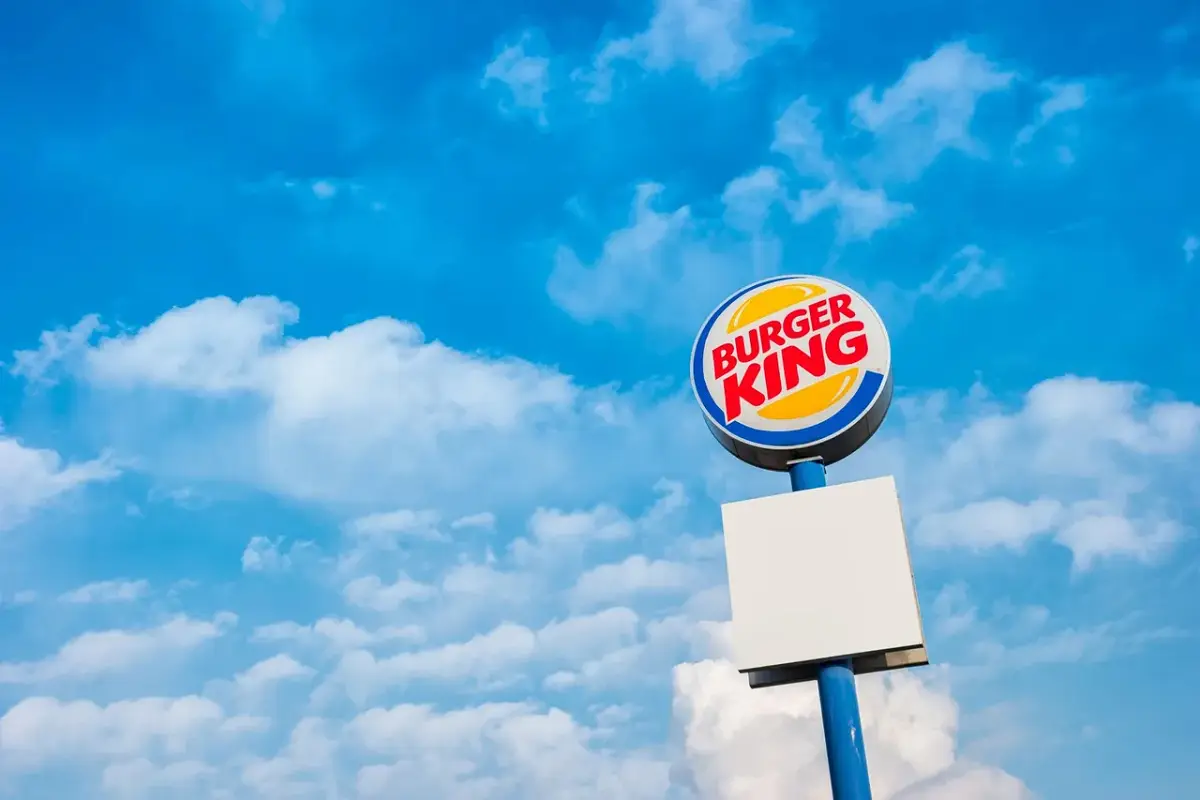
Inside a Burger King drive thru somewhere in the United States, a car pulls up to the speaker, and instead of placing an order, the driver pulls away. It is a small, quiet moment that has been repeating itself across the chain's pilot restaurants, and it has prompted one of the world's largest burger chains to rethink how far it wants to push automation at the window. Burger King Drive Thru AI testing has revealed something the company did not fully expect: not every customer wants to talk to a robot.
Burger King is pumping the brakes on drive thru AI after finding that some customers don't like ordering from a voice bot. The chain, which has been testing AI voice ordering in the drive thru for several years alongside Google and other partners, says it now wants to make it easier for customers to reach a human employee if they prefer. More information on the company is available through Burger King's official website.
What Burger King Learned From Its Pilot Restaurants
Chakri Somisetti, Burger King's vice president of brand technologies, explained the shift during a panel at the FSTEC conference. "We quickly realized if we force [AI to be] the only way that you can order or interact with our brand, it doesn't go well," Somisetti said. "We've seen that in our pilot restaurants, there are drive offs because guests don't want to talk to a bot." The comment matters because it reframes the AI rollout not as a failure of the technology itself, but as a lesson in giving customers a genuine choice in how they interact with the brand.
The chain is still testing voice AI in about 1,500 locations, and Somisetti said Burger King continues to learn from those ongoing tests. What is changing is the company's approach to consent, developing a clearer way for customers to have more say in how they place their order, rather than defaulting everyone into the automated system.
A Broader Industry Reckoning With Customer Service
Burger King's pullback comes as many limited service chains refocus on customer service in an effort to revive traffic. McDonald's, a direct rival, announced the same week that it will invest 8.5 billion dollars in business boosting initiatives over the next several years, including hospitality training for employees. Starbucks, meanwhile, has credited efforts to make its cafes more inviting with helping the chain break a lengthy sales slump, suggesting that across the industry, warmth and human connection are being treated as a competitive advantage rather than a legacy cost to automate away.
What the Data Shows About AI Ordering
Industry researcher Technomic shared data at FSTEC showing a clear consumer preference for human interaction. Ordering inside a restaurant with an employee remains the most popular method, with 46 percent of consumers finding it appealing. By contrast, only 23 percent of consumers find ordering from an AI drive thru bot appealing, while 46 percent find it unappealing outright.
Rich Shank, vice president of innovation at Technomic, offered a measured take on what that data means for operators weighing similar technology. "I'm not saying kiosks and AI ordering don't make sense, but it is not for everyone," Shank said. "You have to make sure that you've got ways of interacting with your customers that your customers will accept." His comment lands as a broader caution to the industry, that automation adopted without an opt out risks alienating a meaningful share of guests rather than serving them more efficiently.
Technology Behind the Scenes, Not Just at the Window
Burger King's recalibration is happening alongside a wider turnaround effort, its Reclaim the Flame strategy, which has combined operational improvements with marketing wins to drive a recent resurgence. Technology has played a role throughout, Somisetti said, though much of it operates behind the scenes rather than in front of guests. The company has spent 400 million dollars on technology over the past several years, primarily to unify its data and tech stack and build a stronger foundation for future growth.
More recently, Burger King has begun using AI to support employees in the back of house rather than replace customer facing staff. An AI assistant called Patty communicates with kitchen staff through headsets, offering prompts to help them provide better service, including simple reminders to say please and thank you, a small but telling example of automation aimed at reinforcing hospitality rather than removing it.
A Clear Filter for Future Tech Decisions
Burger King has also shown a willingness to pass on technology that doesn't serve its broader goals. Somisetti described the company's approach as one guided consistently by outcomes rather than novelty. "We always start with the charter of, what are we trying to solve, and the KPIs behind it," he said. "If it doesn't actually answer what we're trying to solve, then we don't invest." Asked for advice for other operators navigating similar technology decisions, he added: "Invest in the experience and then invest in how to solve for the team members in the kitchen so they can focus more on making the best food for your guests."
What Burger King's pullback ultimately reflects is not a retreat from AI, but a more deliberate calibration of where it belongs. The drive thru window, it turns out, is a place many customers still want to hear a human voice, and for a brand rebuilding its reputation one order at a time, listening to that preference may matter more than any algorithm.
https://hospitalitycareerprofile.com/restaurant-news/yardbird-restaurant-bankruptcy-2026-chapter-11