Yardbird Restaurant Bankruptcy 2026 Files Chapter 11 Protection
Yardbird restaurant bankruptcy 2026 sees the Southern chain file Chapter 11 protection, triggering debt restructuring and an asset sale process across multiple US cities.
 RUKAIYA KADIWAL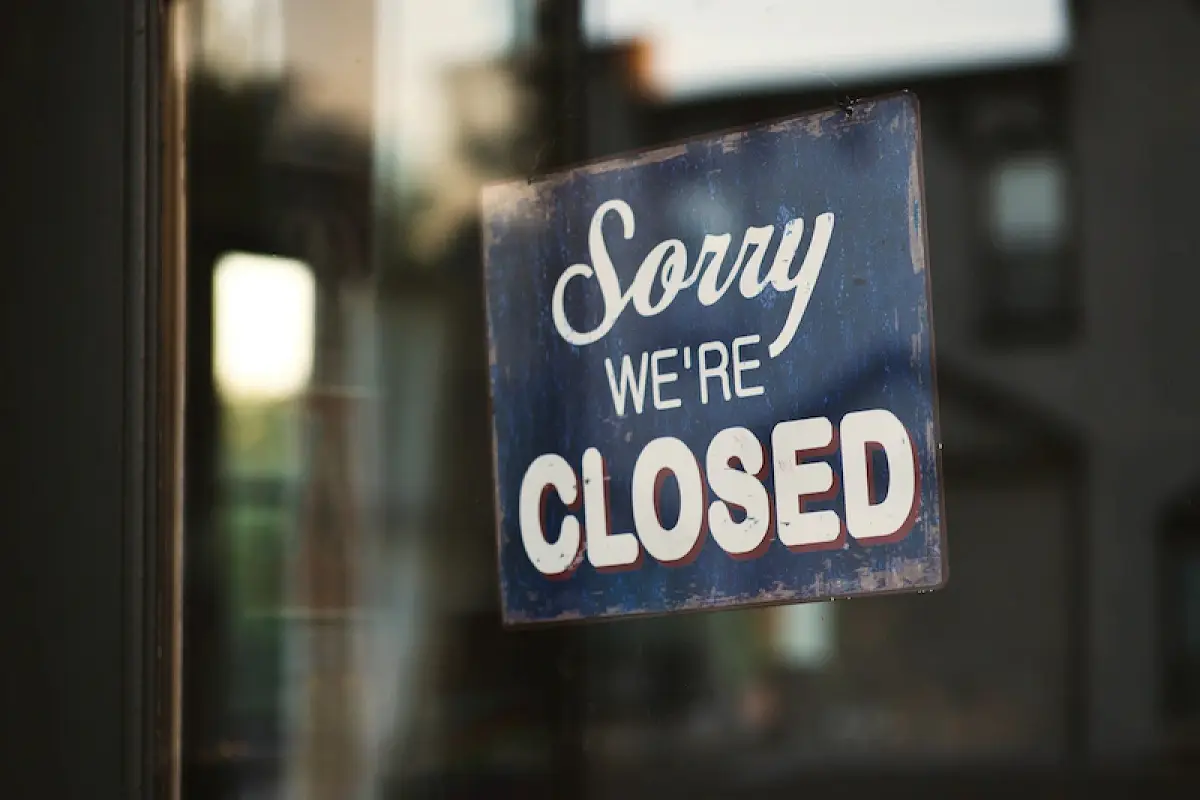
The fried chicken at Yardbird was the kind of dish that people planned trips around. Not hyperbole in the way that restaurant marketing produces hyperbole, but the real version, where someone in New York tells someone else about a meal they had in Miami and that conversation ends with a flight booked. The bird arrived brined in sweet tea, fried to a specific shade of gold, and served alongside watermelon and waffles in a combination that was simultaneously familiar and precise enough to remind you that familiarity can be a form of mastery rather than its opposite. It is the kind of dish that builds a restaurant's reputation slowly and then all at once, until the name becomes shorthand for a category of experience rather than simply an address. That reputation is now navigating a Chapter 11 filing, and the distance between what a restaurant meant and what its balance sheet says is, in the case of Yardbird, a significant one.
Yardbird Restaurant Bankruptcy 2026 Marks a Turning Point for the Southern Chain
Yardbird restaurant bankruptcy 2026 was filed under Chapter 11 of the US Bankruptcy Code, a restructuring mechanism that allows a business to continue operating while it reorganises its debts and obligations under court supervision. The Yardbird Chapter 11 filing does not mean the restaurants have closed immediately, and it does not necessarily mean they will. What it means is that the financial structure behind the Yardbird restaurant chain has reached a point where its obligations cannot be managed outside of a formal legal process, and that the company and its creditors require a court-supervised framework to determine what comes next.
The Yardbird bankruptcy filing follows a period of expansion that stretched the brand across multiple cities and formats, from its original Yardbird Miami restaurant in South Beach to locations in Las Vegas, Chicago, and Washington D.C., among others. That expansion was built on the strength of a concept that worked compellingly in its original context and on the assumption that what worked in Miami would translate with equal force into other markets. The assumption was not entirely wrong. The financial architecture that supported the expansion, however, is what the Yardbird Chapter 11 bankruptcy is now being used to address.
What Made Yardbird the Restaurant It Became
The original Yardbird Miami restaurant on Lincoln Road opened in 2011, developed by John Kunkel and the 50 Eggs Hospitality Group. The concept arrived at a moment when Southern American cooking was experiencing a serious critical reassessment, moving from the margins of the national restaurant conversation toward its center as chefs across the country began treating the traditions of the American South, its smoking and brining and frying techniques, its relationship with heritage grains and local produce, as primary culinary material rather than regional folk cooking to be domesticated for a broader audience.
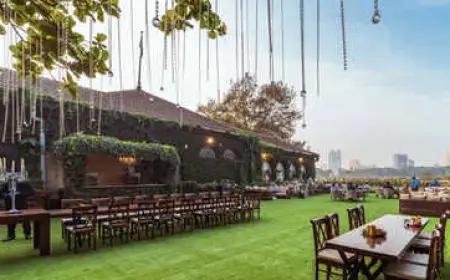
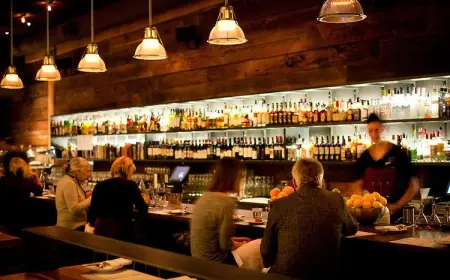
Yardbird entered that conversation with a specific point of view. The menu was not a survey of Southern cooking. It was a restaurant built around a set of dishes, the sweet tea fried chicken, the deviled eggs, the shrimp and grits, the chess pie, that were executed with enough precision to demonstrate that Southern cooking at its best requires the same discipline and technique that any other serious kitchen demands. The dining room that held all of this was warm in a specific way, relaxed without being casual, designed to make the food the event without making the experience formal.
The Expansion That Followed and the Pressures It Created
The Yardbird restaurant chain grew across a period when the casual dining sector was offering significant capital to concepts with proven customer appeal and clear brand identities. A restaurant that had earned the kind of reputation Yardbird built in Miami was exactly the profile that investors and operators were looking to scale, and the expansion into Las Vegas, Chicago, and other markets followed the logic that the brand's core offer, elevated Southern cooking in a warm, social environment, was portable enough to replicate in different cities without losing what made the original work.
The Yardbird financial struggles that preceded the Yardbird bankruptcy 2026 filing reflect the gap between that assumption and the reality of operating multiple full-service restaurants across different markets simultaneously. The cost base of a full-service Southern restaurant, with its labor-intensive kitchen preparations, its wide menu, and its dining room that requires significant staffing to operate at the level the brand's reputation demands, is one that requires consistently high covers and strong average check performance to sustain. In markets where the original Miami magic did not fully translate, or in periods when the cost inflation that has affected the restaurant industry more broadly compressed the margins that the expansion model depended on, the financial structure became increasingly difficult to manage.
Yardbird Debt Restructuring and What Chapter 11 Allows
The Yardbird debt restructuring process under Chapter 11 gives the company the legal protection to continue operating its restaurants while it works through a restructuring plan with its creditors. This is the mechanism that distinguishes Chapter 11 from a straightforward closure: the business continues to function, employees continue to work, guests continue to eat, while the financial obligations that made continuing impossible outside of court supervision are reorganised into something the business can actually carry.
The Yardbird restaurant closures that have occurred in connection with the bankruptcy process reflect the practical reality of a restructuring, that some locations will not survive the review of which restaurants are generating returns sufficient to justify their continued operation. A Chapter 11 process typically involves an assessment of each location's individual performance, with the strongest operations being preserved and the weakest either closed or sold as part of the restructuring plan.
The Yardbird Asset Sale and What It Could Mean
The Yardbird asset sale process that may accompany the Yardbird Chapter 11 bankruptcy creates the possibility that the brand, or individual restaurant locations, could be acquired by a buyer who sees value in the concept and the name without taking on the full debt structure that made the current ownership configuration unsustainable. Asset sales through bankruptcy proceedings have produced some of the restaurant industry's more interesting ownership transitions, where a concept that failed under one financial structure found new life under different ownership with a cleaner balance sheet and a more focused operational plan.
For Yardbird, the question of what a buyer would be acquiring alongside the brand name is the central one. A Yardbird Southern restaurant concept with proven customer appeal in multiple markets, a menu that has generated genuine critical and popular recognition, and a dining room aesthetic that has been refined across more than a decade of operation represents a commercial foundation that is more durable than the debt that surrounds it. Whether a buyer emerges who is willing to separate those assets from the financial structure that currently holds them will determine what version of Yardbird continues to exist when the restructuring process concludes.
What the Restaurant Industry Bankruptcy Pattern Reveals
The restaurant chain bankruptcy 2026 filings that have accumulated across the past two years describe a sector still absorbing the consequences of expansion decisions made during a period when capital was cheap and consumer demand for restaurant dining appeared structurally unlimited. The combination of post-pandemic labor cost increases, food inflation, and the normalisation of consumer spending after the experiential spending surge of 2021 and 2022 has exposed the financial fragility of expansion strategies that required optimistic assumptions about every variable simultaneously.
The southern restaurant bankruptcy category within that broader pattern is its own specific story, one in which concepts that benefited from the critical elevation of Southern American cooking during the 2010s found that critical elevation does not automatically translate into the financial resilience required to sustain a multi-city restaurant operation through a sustained period of cost pressure. Critical recognition and commercial durability are related but not identical, and the distance between them has become visible in the balance sheets of a number of restaurants whose menus earned more praise than their P&L could ultimately sustain.
The Restaurant Industry Bankruptcy Landscape and Where Yardbird Sits Within It
The restaurant industry bankruptcy environment of 2026 has produced filings from chains across multiple categories, from fast casual to full service, from regional independents to nationally scaled concepts. What they share, in most cases, is a combination of expansion debt taken on during a lower-cost period and an operating environment that has become structurally more expensive without a corresponding increase in what guests are willing or able to pay. Yardbird's situation is a version of that story applied to a concept that was genuinely better than the financial structure that surrounded it.
That distinction, between the quality of the concept and the sustainability of its financial architecture, is what makes the Yardbird bankruptcy 2026 worth examining beyond the headline of another restaurant chain filing for protection. The sweet tea fried chicken did not fail. The deviled eggs did not fail. The dining room that made a Lincoln Road lunch feel like exactly the right place to be on a Miami Saturday did not fail. What failed was the broader financial structure built around all of those things, which is a different kind of failure, and one that the Chapter 11 process is specifically designed to address without destroying what was worth preserving in the first place.
A Table That Might Still Be There When the Process Ends
The sign on the door of a restaurant in Chapter 11 is not the same as a closed sign. It is something more ambiguous, a pause rather than an ending, a legal process rather than a final decision. The chicken that built Yardbird's reputation is still a recipe. The dining room aesthetic is still a design language. The name still carries the associations that a decade of serious cooking in multiple American cities accumulated around it. What happens to all of that depends on what the court process produces, who decides the assets are worth acquiring, and whether the concept that worked in Miami and worked in parts of Las Vegas and Chicago can find a financial home that allows it to keep doing what it demonstrably knows how to do. The table might still be there. The question is who will be sitting at the head of it.
Related reading: Diners, drive-ins and delis: Los Angeles along Route 66