Innovative ‘Forest-Inspired’ Restaurant Design in China Redefines Experiential Dining
A new restaurant in China featuring a forest-inspired wooden design is redefining experiential dining by blending architecture, nature, and immersive customer experiences.
 Prajakta Sanjay Warwadkar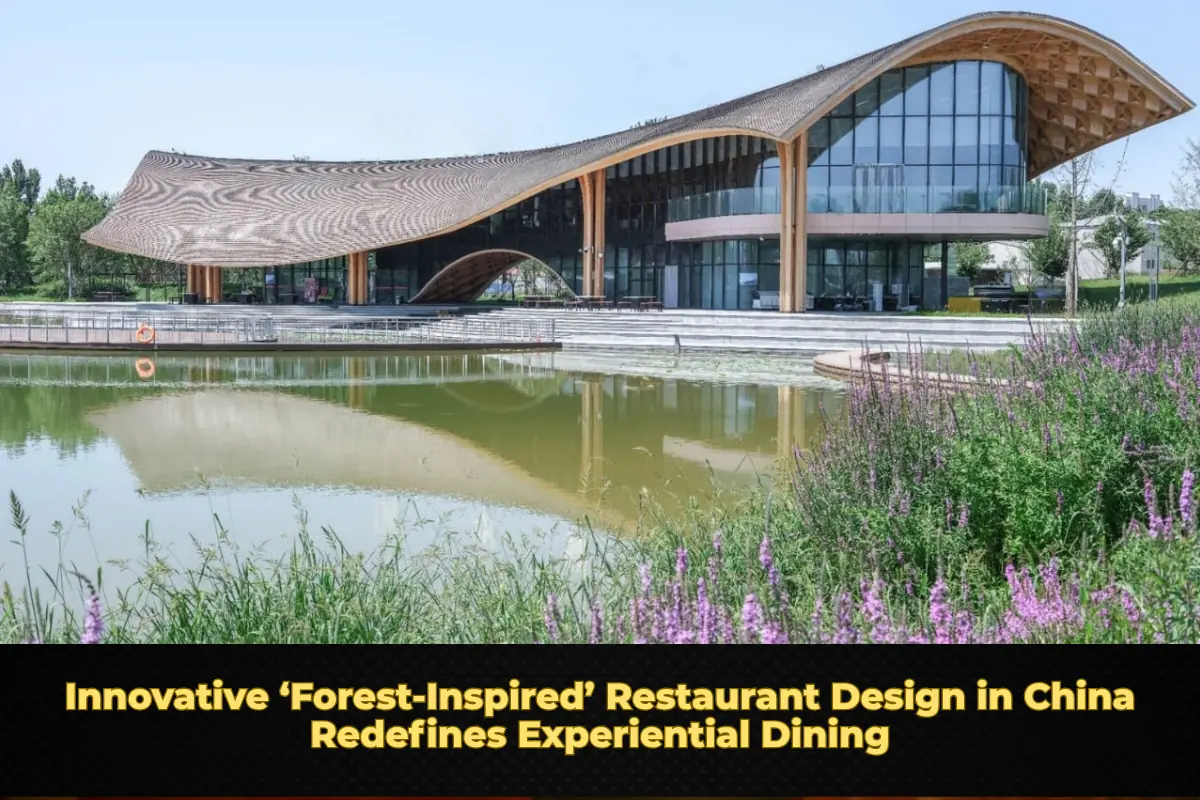
Innovative ‘Forest-Inspired’ Restaurant Design in China Redefines Experiential Dining
A newly unveiled restaurant in China is gaining global attention in March 2026 for its forest-inspired design, where wood structures are crafted to mimic the organic flow of a natural woodland, offering diners an immersive and visually striking experience. The concept blends architecture, interior design, and hospitality to create a unique dining environment that reflects the growing demand for experiential dining.
The restaurant, designed with a focus on biomimicry, uses sculptural wooden installations that resemble trees and forest canopies, transforming the interior into a space that evokes the feeling of being surrounded by nature. This approach aligns with evolving consumer preferences, where ambiance and storytelling play an increasingly important role in dining decisions.
Blending Architecture and Nature
The design concept centers on the idea of replicating natural ecosystems within a built environment. Wooden elements are shaped and arranged to simulate tree trunks, branches, and flowing organic forms, creating a sense of movement and continuity throughout the space. The use of natural materials reinforces the connection between the interior environment and the outdoors.
Architects and designers involved in the project have emphasized sustainability and material authenticity, ensuring that the structure not only looks organic but also aligns with environmentally conscious design principles. The result is a space that is both aesthetically compelling and environmentally responsible.
This integration of nature into architecture reflects a broader trend in hospitality design, where operators are seeking to create calming, nature-inspired environments that enhance the overall customer experience.
Rise of Experiential Dining Concepts
The forest-inspired restaurant is part of a growing movement toward experiential dining, where the focus extends beyond food to include atmosphere, design, and emotional engagement. Restaurants are increasingly competing on the basis of experience, offering unique settings that encourage guests to spend more time and share their visits on social media.
Immersive environments such as this not only attract diners but also serve as powerful marketing tools, generating organic visibility through user-generated content. In an era where visual appeal plays a significant role in consumer behavior, distinctive design concepts can significantly enhance a restaurant’s brand identity.
The concept also caters to a younger demographic that values novelty and creativity, making it particularly relevant in urban markets where competition is intense.
Impact on Customer Experience
The design of the restaurant is intended to influence how customers perceive and interact with the space. The flowing wooden structures create a sense of enclosure and intimacy while maintaining openness, allowing diners to feel both connected and comfortable.
Lighting plays a crucial role in enhancing the forest-like atmosphere, with carefully positioned fixtures mimicking natural light filtering through trees. This creates a dynamic visual effect that changes throughout the day, adding to the immersive quality of the environment.
Such attention to detail contributes to a multisensory experience, where visual, spatial, and emotional elements combine to elevate the act of dining beyond a routine activity.
Design as a Competitive Advantage
In the increasingly competitive restaurant industry, design has emerged as a key differentiator. Establishments that invest in unique and memorable interiors are better positioned to attract customers and build brand loyalty. The forest-inspired concept demonstrates how innovative design can create a strong identity and set a restaurant apart from conventional competitors.
Operators are recognizing that customers are willing to pay a premium for distinctive experiences, particularly when those experiences are shareable and visually appealing. As a result, design-driven concepts are becoming a strategic investment rather than a purely aesthetic consideration.
The success of such projects may encourage more restaurateurs to explore unconventional design approaches, pushing the boundaries of traditional dining spaces.
Sustainability and Material Innovation
The use of wood as the primary material in the restaurant’s design also highlights the growing importance of sustainability in the hospitality sector. Wood is a renewable resource, and its use can contribute to reducing the environmental impact of construction when sourced responsibly.
Designers have incorporated techniques that maximize material efficiency while maintaining structural integrity and visual appeal. This approach reflects a broader shift toward sustainable design practices, as businesses seek to align with environmental expectations and regulations.
Sustainability is increasingly becoming a factor in consumer decision-making, with diners showing a preference for establishments that demonstrate environmental responsibility.
Global Influence of Design Trends
The forest-inspired restaurant is part of a global wave of innovative hospitality concepts that draw inspiration from nature, culture, and technology. Similar trends can be seen in other markets, where restaurants are experimenting with themes ranging from underwater environments to futuristic digital spaces.
China, in particular, has emerged as a hub for bold and experimental design in the hospitality sector, driven by rapid urbanization and a willingness to embrace new ideas. Projects like this showcase the country’s ability to lead in creative and experiential design.
The influence of such concepts is likely to extend beyond local markets, inspiring international designers and operators to adopt similar approaches.
Challenges and Considerations
While innovative design offers significant advantages, it also presents challenges. The complexity of constructing and maintaining intricate wooden structures can increase costs and require specialized expertise. Ensuring durability and safety is critical, particularly in high-traffic environments such as restaurants.
Additionally, balancing design with functionality is essential. While aesthetics are important, the space must also support efficient operations, including service flow, seating arrangements, and accessibility.
Restaurants must carefully evaluate these factors to ensure that design enhancements do not compromise practicality or profitability.
Future of Experiential Restaurant Design
The success of the forest-inspired restaurant suggests that experiential design will continue to play a significant role in the future of the hospitality industry. As consumer expectations evolve, restaurants are likely to invest more in creating environments that offer unique and memorable experiences.
Technological integration, sustainability, and cultural storytelling are expected to shape the next generation of restaurant concepts. Operators who can effectively combine these elements with strong culinary offerings will be well-positioned to succeed.
The trend also indicates a shift toward viewing restaurants as destinations rather than just places to eat, redefining the role of dining in modern urban life.
Conclusion
The forest-inspired restaurant in China highlights the growing importance of design-driven experiences in the hospitality sector, as operators seek to captivate customers through innovation, sustainability, and immersive environments.