Restaurant Blends Mexican and Peruvian Flavors in One Menu
Mexican and Peruvian food come together at a restaurant offering tacos, burritos, roast chicken and regional specialties. Read more.
 Prajakta Sanjay Warwadkar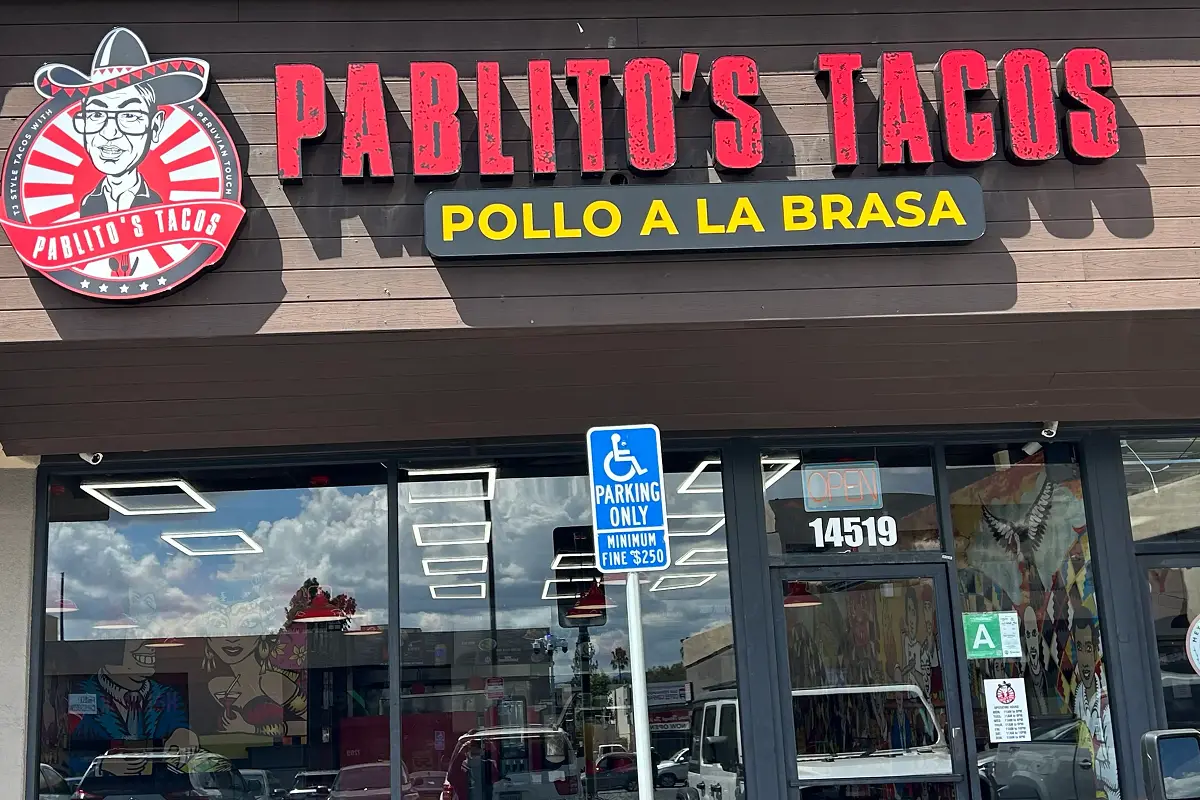
LOS ANGELES, June 25, 2026 — A restaurant combining Mexican and Peruvian food traditions is drawing attention from diners seeking a broader range of Latin American flavors in a single destination. The menu brings together tacos, burritos, roast chicken and other regional specialties, reflecting growing consumer interest in cross-cultural dining experiences.
The concept highlights how restaurants are increasingly blending culinary traditions to create menus that appeal to adventurous diners while maintaining the authenticity of each cuisine.
Mexican and Peruvian Food Share the Spotlight
Mexican and Peruvian food each have strong identities, but the restaurant demonstrates how the two cuisines can complement one another. Diners can move between familiar Mexican favorites and Peruvian specialties without leaving the same menu.
Industry observers note that multicultural dining concepts continue to gain traction as consumers seek variety, bold flavors and new culinary experiences.
Popular Menu Items Drive Customer Interest
The restaurant's offerings include tacos, burritos and Peruvian-style roast chicken, alongside dishes inspired by traditional recipes from both countries. The combination creates a menu designed to appeal to a wide range of tastes and dining occasions.
Portable favorites and shareable dishes remain especially popular as customers increasingly value flexibility when dining with groups and families.
Latin American Cuisine Continues Expanding
Interest in Latin American cuisine has grown steadily across the United States as consumers become more familiar with regional cooking styles and ingredients. Restaurants are responding by introducing menus that highlight flavors from multiple countries rather than focusing on a single culinary tradition.
Peruvian cuisine in particular has gained visibility for its seafood dishes, grilled meats and diverse cultural influences, while Mexican food remains one of the most widely enjoyed cuisines in the country.
Restaurant Innovation Reflects Changing Consumer Preferences
Restaurant operators continue exploring new ways to differentiate themselves in a competitive marketplace. Combining established cuisines allows brands to introduce variety while building on flavors customers already recognize and enjoy.
Industry analysts say successful concepts typically balance innovation with familiarity, ensuring diners feel comfortable exploring new menu items.
Cross-Cultural Menus Support Hospitality Growth
As dining habits evolve, restaurants are increasingly experimenting with menu development that reflects broader cultural influences. Concepts that celebrate multiple culinary traditions can attract both loyal customers and first-time visitors interested in discovering something new.
The pairing of Mexican and Peruvian food demonstrates how restaurants continue adapting to consumer demand for diverse flavors, memorable dining experiences and culturally inspired cuisine.
Source: Hospitalitycareerprofile.com
Read more: Restaurant Technology Trends Reshape Hospitality in 2026