Reba McEntire Says Real-Life Restaurant Experience Shaped ‘Happy’s Place’ Production Approach
Reba McEntire reveals how her real-life restaurant experience influenced the practicality and authenticity of ‘Happy’s Place’ production.
 Prajakta Sanjay Warwadkar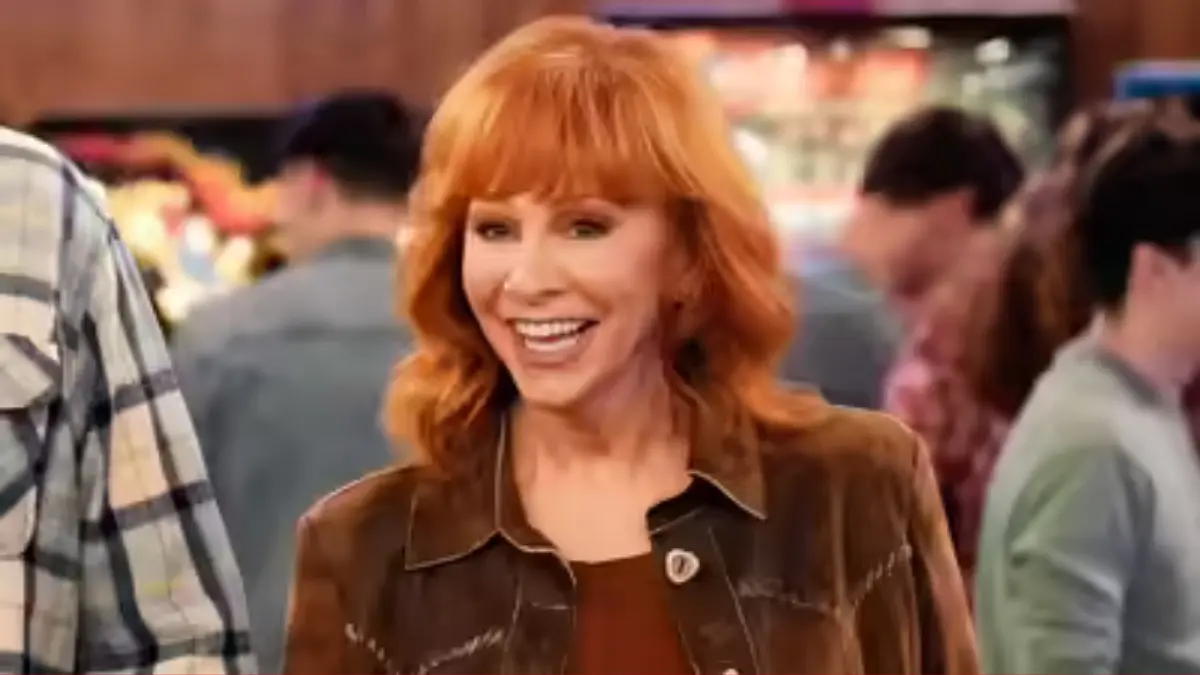
<:contentReference[oaicite:0]{index=0}> has stated that her real-life experience in the restaurant business played a key role in shaping the production approach of her television project “Happy’s Place,” bringing operational realism and practical insights into the show’s development, according to a report published in April 2026.
The artist, who has prior involvement in the restaurant sector, highlighted how firsthand knowledge of foodservice operations contributed to the authenticity of the show’s setting and narrative. Her experience informed decisions related to workflow, environment design, and the portrayal of day-to-day restaurant functioning.
Real-World Restaurant Experience Influences Production
McEntire’s familiarity with restaurant operations enabled the production team to incorporate realistic elements into “Happy’s Place.” This included attention to how restaurant staff interact, how service flows during busy periods, and how operational challenges are managed behind the scenes.
Rather than relying solely on scripted interpretations, the show integrates practical aspects of hospitality environments, reflecting actual industry practices. This approach helps create a more grounded representation of restaurant life, aligning with the growing demand for authenticity in entertainment content.
The integration of real-world insights into production decisions underscores the value of industry experience in shaping accurate portrayals of professional environments.
Bridging Hospitality and Entertainment
The influence of restaurant experience on a television production highlights the intersection between hospitality and entertainment industries. Restaurants have increasingly become central themes in television programming, often serving as dynamic settings for storytelling.
By drawing on operational knowledge, productions can better capture the nuances of service, customer interaction, and team dynamics. This contributes to a more credible viewing experience, particularly for audiences familiar with the foodservice sector.
McEntire’s input reflects a broader trend where industry professionals contribute directly to content creation, enhancing realism and audience engagement.
Operational Accuracy and Audience Expectations
Accurate representation of restaurant environments has become more important as audiences gain greater exposure to the hospitality industry through digital media, social platforms, and real-world dining experiences. Viewers are increasingly able to identify inconsistencies in how workplaces are depicted on screen.
Incorporating practical knowledge helps productions avoid common inaccuracies, such as unrealistic service timelines or misrepresentation of staff roles. This attention to detail can improve audience perception and credibility, particularly for shows centered around workplace settings.
The emphasis on operational accuracy in “Happy’s Place” reflects this shift toward more informed and discerning audiences.
Broader Industry Context
The collaboration between hospitality experience and media production is part of a larger trend in which real-world expertise is used to enhance storytelling. From culinary consultants to industry advisors, productions are increasingly leveraging professional insights to create authentic narratives.
In the restaurant sector, this trend aligns with the growing visibility of foodservice operations in mainstream media. Shows featuring kitchens, dining spaces, and hospitality professionals have contributed to greater public understanding of the industry.
McEntire’s involvement demonstrates how personal business experience can influence creative projects, particularly when the subject matter aligns closely with the individual’s background.
Current Status of the Project
“Happy’s Place” continues to develop with an emphasis on realistic portrayal of restaurant operations, informed by McEntire’s experience in the field. The production’s approach reflects an effort to balance entertainment value with operational authenticity.
As the hospitality sector remains a popular theme in television content, the integration of real-world insights is expected to remain a key factor in shaping how such environments are depicted on screen.
The project highlights how cross-industry experience can contribute to more accurate and engaging representations of professional settings, particularly in sectors like foodservice where operational detail plays a critical role.