Restaurants Adapt Strategies to Serve a Growing Aging Dining Population
Restaurants are adjusting menus, service styles, and dining environments to better serve an aging population as older consumers become an increasingly important customer segment.
 Prajakta Sanjay Warwadkar
Restaurants Respond to Changing Demographics
The restaurant industry is increasingly adapting its strategies to serve an aging population as older consumers become a growing and influential customer segment. Demographic shifts in many countries indicate that the number of adults aged 60 and above will continue to rise over the coming decades, prompting hospitality businesses to rethink how they design dining experiences.
For restaurant operators, this shift represents both a challenge and an opportunity. By understanding the preferences and needs of older diners, restaurants can create more inclusive spaces that provide comfort, accessibility, and personalized service.
Industry experts suggest that restaurants which successfully adapt to these changing demographics may benefit from stronger customer loyalty and steady demand from a population that often values consistent dining experiences.
Designing Accessible Dining Environments
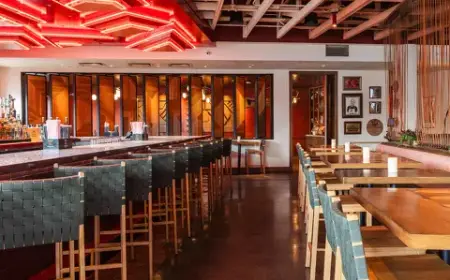
Accessibility is becoming an increasingly important consideration for restaurant operators. Older diners may prefer seating arrangements that are easier to navigate, comfortable chairs with adequate support, and well‑lit dining areas that enhance visibility.
Restaurants are also paying closer attention to layout design, ensuring that pathways between tables allow for easier movement. Features such as non‑slip flooring, clear signage, and quieter dining environments can further enhance the overall experience for senior guests.
These improvements not only benefit older customers but also create more welcoming spaces for families and guests of all ages.
Creating Comfortable and Relaxed Atmospheres
Many older diners appreciate restaurants that provide a calm and relaxed dining atmosphere. Excessive noise levels, crowded spaces, and rushed service can make dining less enjoyable for this group.
To address this, some restaurants are exploring design changes such as improved acoustics, softer lighting, and thoughtful table spacing that allows guests to enjoy their meals comfortably.
Such adjustments help create environments where customers can engage in conversation and enjoy a more leisurely dining experience.
Adapting Menus for Health and Dietary Needs
Menu design is another important factor when serving an aging population. Older consumers often prioritize nutrition, balanced meals, and ingredients that support overall wellness.
Restaurants are increasingly offering lighter dishes, smaller portion options, and clearly labeled menu items that highlight nutritional information. These changes help diners make informed choices that align with their dietary preferences.
In addition, some establishments are incorporating ingredients that support healthier lifestyles, such as whole grains, lean proteins, and fresh vegetables.
Flexible Portion Sizes
Smaller portion sizes are becoming more common as restaurants recognize that not all guests prefer large servings. Offering half portions or customizable meal sizes allows diners to enjoy a variety of dishes without feeling overwhelmed.
This approach also helps reduce food waste while providing customers with more flexibility in how they structure their meals.
The Importance of Attentive Service
Service quality plays a crucial role in attracting and retaining older diners. Many guests in this demographic value attentive and patient service that allows them to enjoy their meals without feeling rushed.
Restaurant staff may also receive training to better understand the needs of senior customers, including clear communication, menu explanations, and assistance when needed.
These service enhancements contribute to a welcoming environment where guests feel respected and valued.
Building Long‑Term Customer Relationships
Older diners often develop strong loyalty to restaurants that provide consistent service and quality. By building relationships with regular guests, restaurants can foster a sense of familiarity and community.
Loyal customers frequently recommend their favorite dining spots to friends and family, which can help businesses expand their customer base through word‑of‑mouth referrals.
This dynamic highlights the importance of delivering memorable dining experiences that encourage repeat visits.
Technology and Convenience
While technology has become an integral part of modern restaurant operations, businesses must ensure that digital tools remain accessible to all guests. Some older diners may prefer traditional ordering methods rather than fully digital systems.
To accommodate diverse preferences, many restaurants are offering a combination of options, including printed menus alongside digital ordering platforms. Staff assistance is also available to help guests navigate new technologies when necessary.
Balancing innovation with accessibility allows restaurants to provide convenience without excluding any customer groups.
Community Engagement and Social Dining
Dining out often serves as an important social activity for older adults, providing opportunities to connect with friends, family members, and local communities. Restaurants that create welcoming environments can become valuable gathering places for these social interactions.
Some establishments are exploring initiatives such as community dining events, early dining hours, and special menu offerings designed to appeal to senior guests.
These programs not only attract customers but also strengthen the restaurant’s role as a community hub.
Opportunities for the Hospitality Industry
The aging population represents a significant market opportunity for restaurants willing to adapt their offerings. By focusing on comfort, accessibility, and thoughtful service, hospitality businesses can meet the expectations of this growing customer group.
Industry analysts note that demographic trends will continue shaping restaurant strategies in the coming years. Understanding customer needs across different age groups will remain essential for long‑term success.
For restaurant operators, embracing inclusive design and customer‑focused service models may prove to be key advantages in a competitive dining landscape.
A Future Focused on Inclusive Dining
As the global population continues to age, restaurants are recognizing the importance of creating dining experiences that accommodate guests of all ages. The shift toward more inclusive hospitality reflects a broader commitment to meeting diverse customer needs.
From accessible restaurant layouts to balanced menu options and attentive service, these adaptations demonstrate how the industry is evolving to serve a changing demographic landscape.
Ultimately, restaurants that prioritize comfort, accessibility, and personalized experiences are likely to build strong relationships with older diners while creating welcoming environments for everyone.