Step-by-Step Staff Training and Development: Complete Training Guide with SOP & Professional Standards
Learn staff training and development training with SOP, service workflow, skill building, and performance improvement techniques for hotel operations.
 Jyoti Kushwaha
Talk in the pantry is focused on one thing. Teams are only as strong as the last shift they trained for.
Overview of Staff Training and Development Training
This is where operations either tighten up or fall apart. Training drives consistency on the floor.
No training means messy service, repeated mistakes, and gaps between shifts. And guests feel that instantly.
Your team needs to cover everything. Service steps, guest handling, hygiene, and daily SOPs. Same standard, every shift.
And development does not stop after joining. You keep building skills, cross-training, and tracking performance.
Strong teams are trained teams. Simple.
SOP Procedure for Staff Training and Development
Follow this structure. Stay consistent. Restaurant employee development program should include the following:
1. Training Needs Assessment
Spot skill gaps from roles, reviews, and daily service issues.
2. Training Plan Development
Build modules around service steps, SOPs, and core skills.
3. Induction Training
Set the base. Grooming, standards, and service basics from day one.
4. On-the-Job Training
Train on the floor. Real service, real pressure, supervised.
5. Skill Development Sessions
Run regular sessions on communication, service flow, and product knowledge.
6. Performance Monitoring
Watch them during service. Correct on the spot.
7. Evaluation and Testing
Test practically. Not just theory.
8. Continuous Development
Push advanced skills and cross-training. Build depth in the team.
Pro tip. Training is not an event. It is daily correction.
Operational Steps and Training Workflow
This is your training cycle. Keep it moving.
Step-by-Step Training Workflow:
• Identify training needs by role and experience
• Build schedule and modules
• Run briefing or classroom sessions
• Demonstrate service steps clearly
• Move staff to live floor training
• Monitor during real service
• Give instant feedback and fix errors
• Conduct regular assessments
• Track progress and performance
• Plan next level training
Training Benchmarks:
• Induction done within first week
• Basic skills locked in within 2 to 4 weeks
• Service accuracy at 100 percent
• Guest interaction consistent every shift
Operational Controls:
• Enforce SOP on every shift
• Maintain training records
• Watch performance during rush hours
• Correct mistakes immediately
Delay correction and the mistake becomes a habit.
Guest Interaction and Service Training Techniques
This is where training shows on the floor.
Service Interaction Standards:
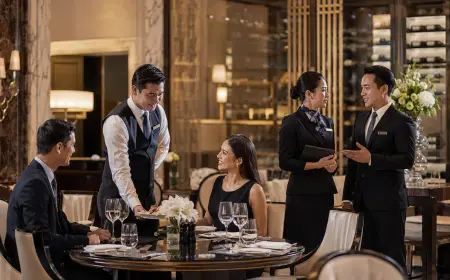
• Greet within 30 seconds
• Hold eye contact and stay polite
• Know the menu properly
• Handle requests and issues without delay
Training Techniques for Service Staff:
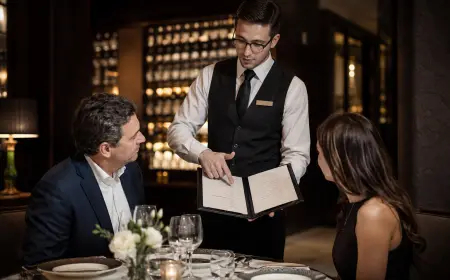
• Role-play real guest situations
• Demonstrate full service sequence
• Run communication drills
• Correct live during service
Handling Guest Complaints:
• Listen fully. Do not interrupt
• Apologize and take ownership
• Fix immediately or escalate
• Check back after resolution
Upselling Training:
- Push high-value items confidently
- Pair food and beverages smartly
- Promote specials and signatures
And remember. Confidence sells, hesitation kills the sale.
Tools and Equipment for Staff Training
Tools support training. They do not replace it.
Primary Tools:
• Training manuals and SOPs
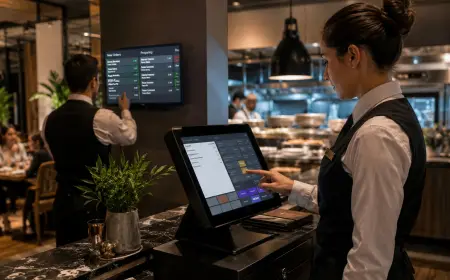
• POS system for hands-on training
• Learning systems
• Performance tracking tools
Support Equipment:
• Audio and visual aids
• Demo tools for service practice
• Checklists and evaluation forms
• Communication devices
Usage Guidelines:
• Keep training material updated
• Focus on practical demos
• Record every session
• Track tool effectiveness
Good tools help. Strong supervision matters more.
Service Standards and Performance Metrics
If you do not track it, you cannot fix it.
Key Performance Metrics:
• Service accuracy at 100 percent
• Order taking error-free
• Service timing within SOP
• Guest satisfaction high
• Staff productivity strong
• Training completion at 100 percent
Drop in metrics means training gap. Always.
Evaluation and Continuous Improvement
This never stops. Stay on the floor.
Evaluation Methods:
• Observe during live service
• Run regular skill tests
• Track guest feedback
• Hold performance reviews
• Evaluate training results
Common issues show up fast. Inconsistent training, weak supervision, skill gaps. Fix with structure, daily monitoring, and constant feedback.
A well-trained team runs smoother, faster, and cleaner. Keep training tight and your service will hold, even under pressure.
Read more about menu engineering