Expert Fine Dining Service SOP Training for Luxury Restaurants 2026
Learn expert fine dining service SOP training with detailed service sequence, guest interaction, and luxury restaurant standards.
 Jyoti Kushwaha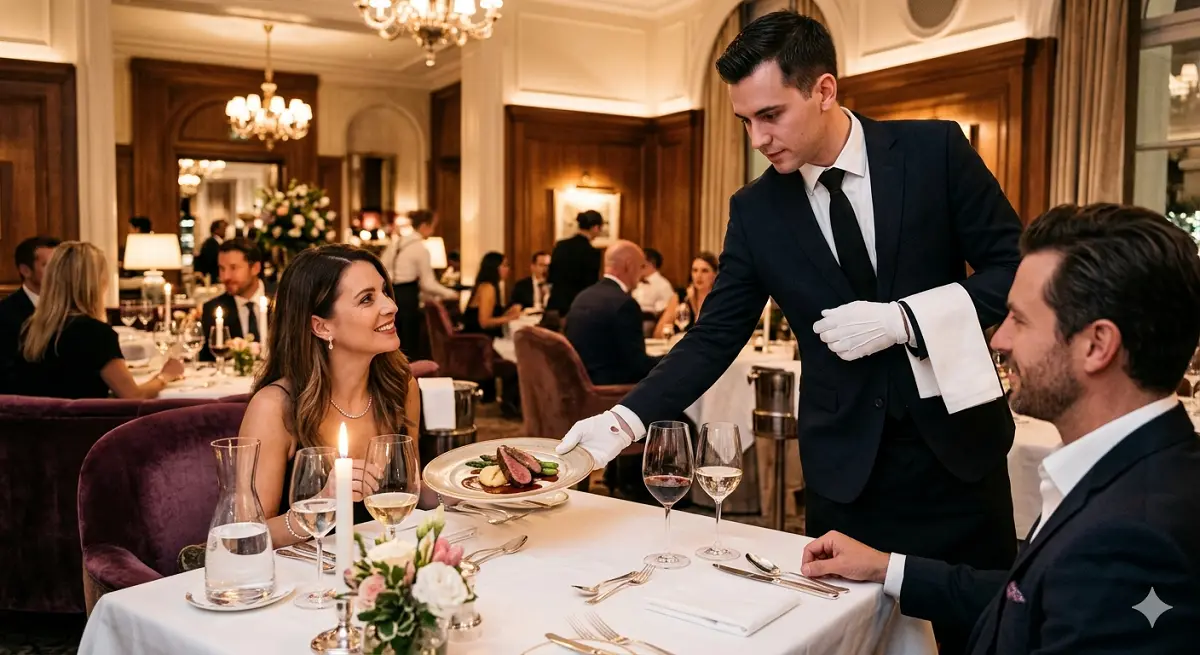
The latest feedback from the floor is simple. Guests are not paying for food alone. They are paying for control, timing, and how the table feels from start to finish. This fine dining service SOP training module is designed for food and beverage professionals working in luxury restaurants and high-end hotel outlets.
Overview of Fine Dining Service SOP Training in Luxury Restaurant Operations
Fine dining is not casual service with better plates. It is structured, disciplined, and detail-heavy. Every step matters. Greeting, order taking, service flow, clearance. Miss one, and the table feels it. This style is about precision and control. Not speed. Not shortcuts. You slow down, but you stay sharp.
Staff must know the menu inside out. Not just ingredients, but how dishes are built, served, and paired. Guests expect answers without hesitation. Consistency is the game. Every table gets the same standard, no matter who is serving. And none of this works without tight coordination between floor and kitchen. If the fire-order slips, service friction shows immediately.
SOP Procedure for Fine Dining Service Training
1. Pre-Service Preparation
Briefing is non-negotiable. Know reservations, VIPs, menu focus, and special instructions. Check grooming. Set your station fully. No mid-service scrambling.
2. Table Setup Verification
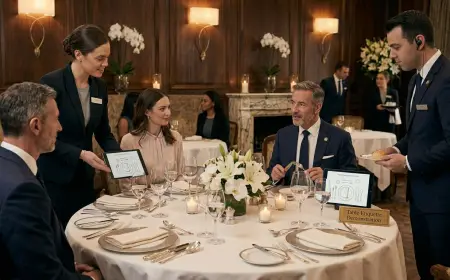
Inspect every table. Linen straight. Cutlery aligned. Glassware spotless. Small details set the tone before guests even sit.
3. Guest Reception and Seating
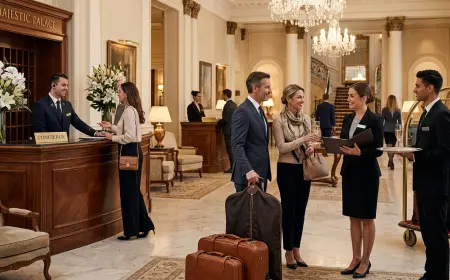
Welcome with confidence. Confirm reservation. Escort smoothly. Assist seating and present menus without delay.
4. Order Taking
Speak with clarity. Explain dishes with confidence. Capture preferences, allergies, and special requests accurately.
5. Order Processing
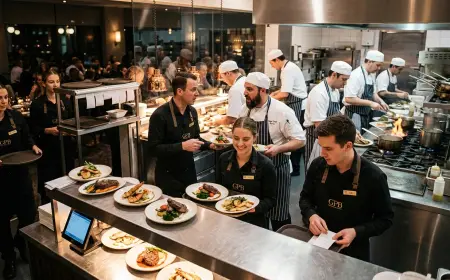
Punch orders immediately. No delay. Coordinate with kitchen for course timing. Stay ahead of the fire-order.
6. Food and Beverage Service
Serve course by course. Clean, controlled, and precise. Stick to correct service sides. Presentation must hold from pass to table.
7. Table Maintenance
Clear between courses without interrupting the table’s rhythm. Reset quietly. Keep the table clean at all times.
8. Billing and Farewell
Present bill professionally. Process quickly. Thank guests and guide their exit smoothly. Last impression stays.
Operational Service Sequence and Fine Dining Flow
Step-by-Step Service Flow:
1. Prepare service station and verify table setup
2. Welcome and seat guests professionally
3. Present menu and explain specials
4. Take food and beverage orders accurately
5. Serve water and initial beverages
6. Deliver courses in sequence (starter, main course, dessert)
7. Clear plates between courses
8. Offer additional items such as wine or dessert
9. Present bill and process payment
10. Thank guests and assist with departure
Service Timing Benchmarks:
a. Guest greeting: within 1 minute
b. Order taking: within 5 to 7 minutes
c. Beverage service: within 3 minutes
d. Course intervals: 10 to 15 minutes
e. Table clearance: within 2 to 3 minutes
f. Billing process: within 5 minutes Timing here is controlled, not rushed. Guests should never feel pushed or forgotten.
Guest Interaction and Professional Service Techniques
Fine dining is about presence. Calm, attentive, and precise.
Communication Standards:
a. Use formal, polite language
b. Maintain eye contact
c. Address guests respectfully
d. Explain menu clearly and confidently
Service Techniques:
a. Serve from the left and clear from the right
b. Handle cutlery and glassware by safe areas only
c. Use trays for beverage service
d. Move quietly and smoothly
Guest Handling Techniques:
a. Anticipate needs before being asked
b. Refill water and beverages proactively
c. Handle complaints discreetly
d. Protect guest privacy at all times
Do’s and Don’ts:
Do’s:
a. Maintain grooming and hygiene
b. Stay alert at the table
c. Double-check every order
Don’ts:
a. Do not interrupt conversations
b. Do not rush the guest
c. Do not act casual or informal
Pro tip. Guests notice how you move more than what you say.
Tools and Equipment for Fine Dining Service
Your tools must match the level of service. Primary Equipment:
a. Premium cutlery and crockery
b. Glassware for water, wine, and beverages
c. Service trays and tray stands
d. Linen and napkins
Support Equipment:
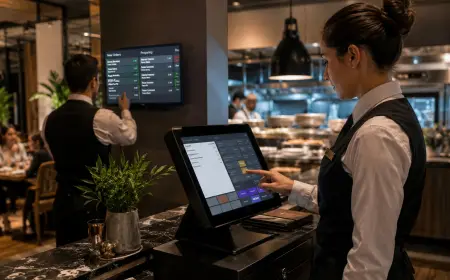
a. POS system
b. Wine tools (corkscrew, decanter)
c. Service cloths
d. Side stations
Handling Guidelines:
a. Keep everything clean and polished
b. Hold glassware by stem or base
c. Maintain proper setup at all times
d. Replace damaged items immediately Clean gear reflects professional service. No compromise.
Service Standards and Performance Metrics
Standards are tight for a reason.
Key Performance Metrics:
a. Order accuracy: 100%
b. Service timing compliance: above 90%
c. Guest satisfaction: above 95%
d. Hygiene compliance: 100%
e. Presentation standard: 100% Miss these, and the table feels it instantly.
Evaluation and Continuous Improvement
Strong teams review constantly. That is how standards stay high.
Evaluation Methods:
a. Supervisor observation during service
b. Guest feedback and reviews
c. Mystery audits
d. Service timing analysis
e. Staff performance checks
Common issues show up fast. Timing gaps. Weak coordination. Poor menu knowledge. Fix them with training, tighter SOP follow-through, and strong leadership on the floor. Fine dining is about control, detail, and consistency. When every move is clean and timed right, the table doesn’t just eat. They remember.
Read more about Guest Handling training here