Order Taking SOP Training: Restaurant Service Standards Guide in 2026
Learn order taking SOP training with service sequence, guest interaction techniques, and professional standards for hotel and restaurant operations.
 Jyoti Kushwaha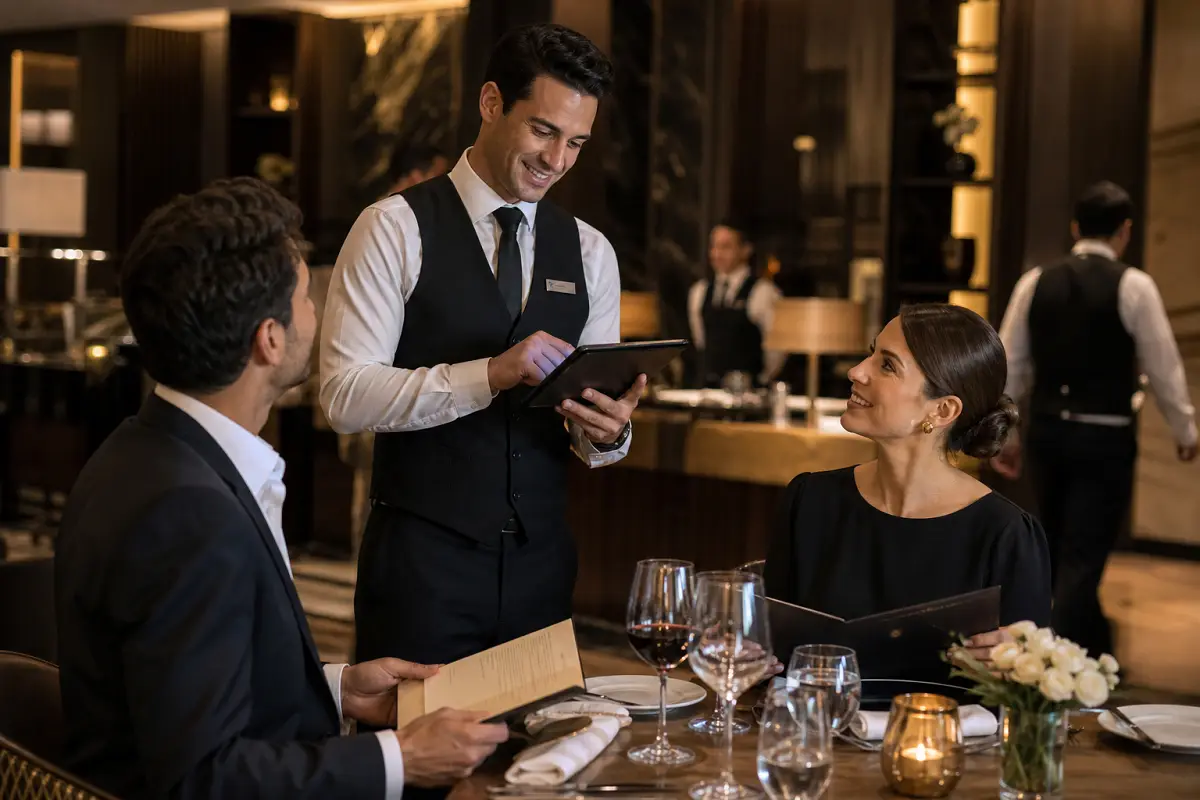
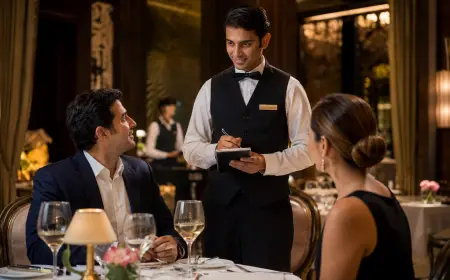
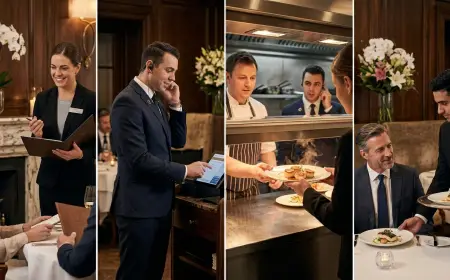
The latest feedback from the pass suggests one thing most service delays don’t start in the kitchen, they start with a bad order. Get this right, and the whole line runs smoother. This order taking SOP training module is built for food and beverage staff in restaurants and hotels. It locks in structured order taking, sharpens accuracy, and keeps guest interaction clean and controlled. Order taking drives service speed, kitchen coordination, and the guest’s overall experience.
Overview of Order Taking SOP Training in Restaurant Operations
Order taking SOP training sits at the core of restaurant service. If this step slips, everything after it slows down.
Every order must be clear, accurate, and passed without confusion. Even small mistakes create delays, complaints, and service friction.
A structured process keeps all staff aligned across shifts, across sections. FOH calls it right, BOH executes it right.
And order taking isn’t just writing items down. It’s knowing the menu, guiding the guest, upselling smartly, and locking in details like cooking preferences, allergies, and special requests.
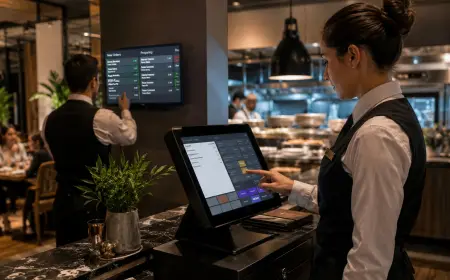
Yes, POS systems help. But accuracy still depends on you. A tight SOP keeps errors low and the floor moving during peak hours.
SOP Procedure for Order Taking
This SOP sets the standard clear orders, clean communication, no guesswork.
1. Pre-Service Preparation
Attend briefing. Know menu updates, sold-out items, promotions, and special instructions. Check POS and order pads before service starts.
2. Guest Approach and Readiness
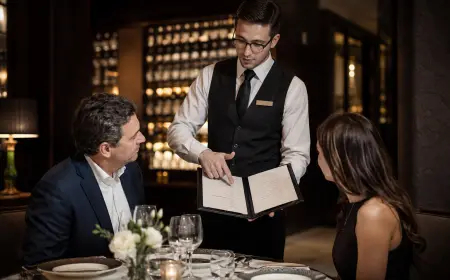
Approach within 2–3 minutes. Don’t rush check if the table is ready. Eye contact. Polite tone. Stay present.
3. Menu Knowledge Application
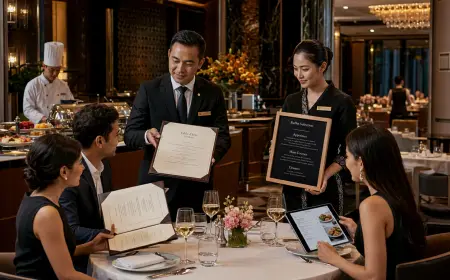
Explain clearly. Highlight specials. Guide the guest based on what they like—not what you want to sell.
4. Order Recording
Write or enter every detail correctly quantity, cooking preference, modifiers, allergies. No shortcuts.
5. Order Confirmation
Repeat the full order. Every item. Every detail. This is where mistakes get caught.
6. POS Entry and Communication
Enter immediately. Correct table number. Correct codes. No delays.
7. Coordination with Kitchen
Call out special requests clearly. Don’t assume the kitchen will “figure it out.”
8. Follow-Up
Track the order. Stay aware. Make sure it lands on the table on time.
Operational Order Taking Steps and Service Sequence
This is your rhythm. Break it, and service slows.
Step-by-Step Order Taking Flow:
- Greet guest and present menu
- Allow time for menu review
- Approach within 2–3 minutes
- Ask if ready to order
- Take beverage order first
- Record food order in sequence
- Note special instructions clearly
- Repeat order for confirmation
- Enter into POS immediately
- Send to kitchen/bar
Order Taking Sequence Standards:
• Ladies first, then gentlemen
• Host order last (if applicable)
• Children orders prioritized
• Follow clockwise or table sequence
Timing Benchmarks:
• First approach: within 2–3 minutes
• Beverage order: within 3 minutes
• Food order: within 5–7 minutes
• POS entry: immediate
• Order dispatch: within 1 minute
Hit these timings, and the table stays relaxed. Miss them, and pressure builds fast.
Guest Interaction and Communication Techniques
This is where your control shows. Stay sharp, stay clear.
Communication Standards:
• Use clear, polite language
• Maintain eye contact and posture
• Listen fully don’t cut guests off
• Confirm anything unclear
• Don’t assume preferences
Upselling and Suggestive Selling:
• Recommend popular or signature dishes
• Suggest add-ons sides, beverages
• Promote combos or specials
• Match suggestions to guest taste
Handling Special Requests:
• Acknowledge clearly
• Check with kitchen before confirming
• Give honest timelines
• Enter correctly in POS
Professional Behavior:
• Don’t rush the guest
• Don’t interrupt conversations
• Stay calm and steady
• Stay engaged throughout
Good communication keeps orders clean and guests confident.
Tools and Equipment for Order Taking
Tools help but only if you use them right.
Primary Tools:
• POS system
• Tablets or handheld devices
• Order pads and pens (backup)
• Kitchen Display System (KDS)
Support Equipment:
• Clean, updated menus
• Order check holders
• Staff communication devices
• Billing systems
Technology Integration:
• Digital ordering reduces errors
• Real-time tracking improves coordination
• Automated KOT keeps instructions clear
Use the system properly and the kitchen works faster with you.
Service Standards and Performance Metrics
What gets measured gets fixed.
Key Performance Metrics:
• Order accuracy: 98–100%
• POS entry time: within 1 minute
• Service timing adherence: above 90%
• Guest satisfaction score: above 90%
• Upselling success rate: as per outlet target
No tracking means no control. Simple.
Evaluation and Continuous Improvement
Strong teams review daily and correct fast.
Evaluation Methods:
• Supervisor observation during service
• POS audit reports for accuracy
• Guest feedback and reviews
• Mystery audits
• Staff training checks
Common issues? Miscommunication, peak pressure, weak menu knowledge.
Fix them with repetition, proper SOP use, and supervision that actually watches the floor.
Yes, tech is improving. But order taking still comes down to focus, clarity, and discipline.
Get the order right and the rest of the service follows.
Read more about Guest Handling Training here