Personal Hygiene Training Hospitality Staff: SOP Standards in 2026
Learn personal hygiene training hospitality with SOP, hygiene standards, and operational protocols for hotel and restaurant staff .
 Jyoti Kushwaha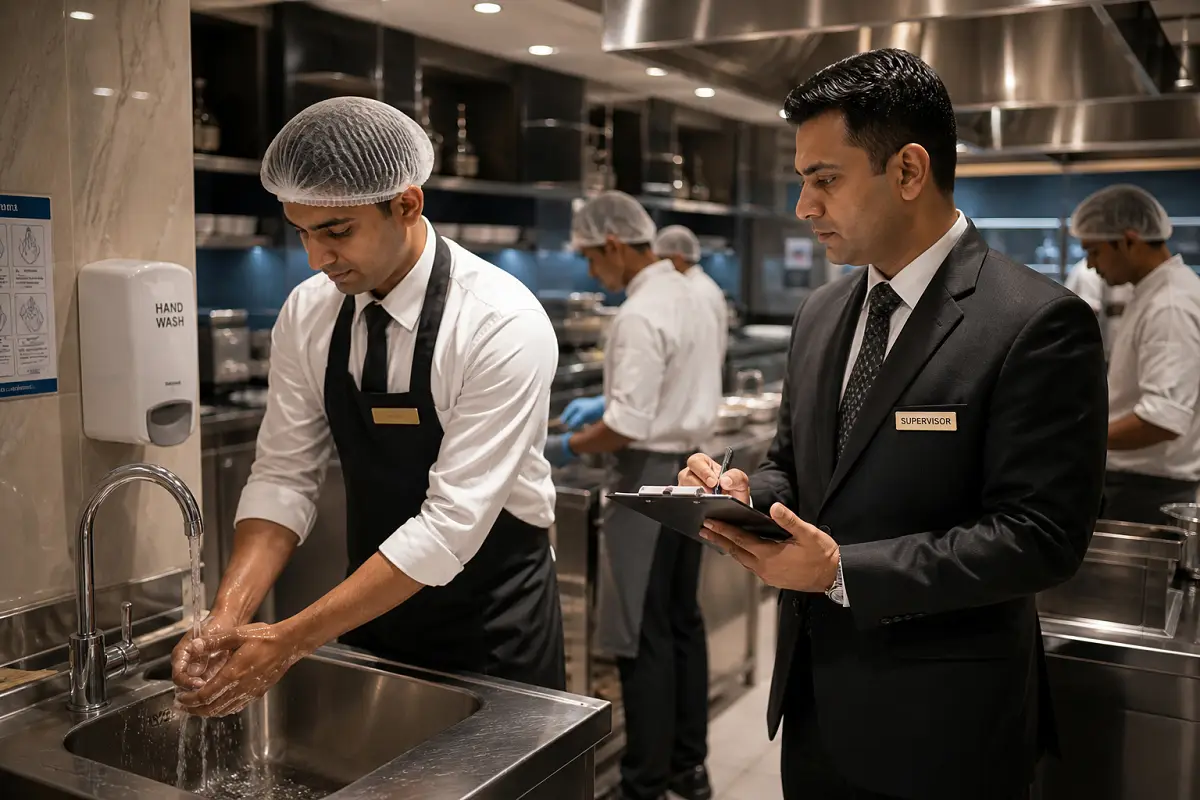
The latest feedback from the floor suggests one thing, most hygiene failures don’t happen from lack of knowledge, they happen from slack habits during busy hours. This personal hygiene training hospitality module is built for hospitality staff working in food and beverage operations. It sets clear SOP-based practices that protect food safety, guest health, and smooth service flow. Personal hygiene directly impacts service quality, contamination control, and brand reputation in hotels and restaurants.
Overview of Personal Hygiene in Hospitality Operations
Personal hygiene training in hospitality keeps staff clean, alert, and service-ready while handling food and guests. In F&B, poor hygiene doesn’t stay hidden. It shows up as contamination, guest complaints, and service breakdowns.
Hygiene is not optional. It’s a non-negotiable part of food safety hygiene standards and daily operations. Staff must follow protocols from the moment they enter the shift till they leave.
Personal hygiene covers hand hygiene, uniform cleanliness, grooming, and behavior discipline. FOH and BOH both follow it but BOH runs tighter controls due to direct food handling.
Daily compliance keeps food safe, builds guest trust, and reduces service friction. Supervisors must check, correct, and enforce standards every shift.
SOP Procedure for Personal Hygiene Training Hospitality
Personal Hygiene Training SOP for Hospitality Staff
This SOP ensures every team member follows structured hygiene practices aligned with staff hygiene sop hotel requirements.
1. Pre-Shift Hygiene Check
Report before shift. Get checked. Supervisors verify uniform, grooming, nails, and overall appearance before assigning duties.
2. Hand Hygiene Protocol
Wash hands with soap and warm water for at least 20 seconds.
Do it:
- Before starting work
- After handling raw food
- After using the restroom
- After touching waste
- Every 30 minutes during service
3. Personal Cleanliness
Daily hygiene is basic discipline bath, oral care, deodorant. Strong odours or poor hygiene are not accepted on the floor.
4. Uniform Hygiene
Uniform must be clean, ironed, and changed daily. Dirty or wrinkled uniforms don’t enter service.
5. Hair and Nail Control
Hair tied or covered where required. Nails short, clean, no polish for food handlers.
6. Illness Reporting
Fever, vomiting, infections—report immediately. Sick staff don’t handle food or face guests.
7. Continuous Hygiene Monitoring
Supervisors run random checks during service. Especially during rush hours.
8. Post-Shift Hygiene Practices
Clean uniforms, maintain hygiene, and dispose waste properly before leaving.
Operational Hygiene Steps in Daily Service
Daily hygiene isn’t guesswork. It’s a fixed flow followed during service to avoid contamination and maintain control.
Step-by-Step Hygiene Flow:
1. Arrive in clean uniform and proper grooming
2. Complete pre-shift hygiene check
3. Wash hands before entering service area
4. Use gloves where required (BOH tasks)
5. Avoid direct hand contact with ready-to-eat food
6. Maintain clean workstations during service
7. Wash hands after every contamination risk
8. Dispose waste immediately in designated bins
9. Sanitize hands regularly during service
10. Clean and reset stations post-service
Critical Hygiene Moments:
A. Before handling food
B. After handling raw ingredients
C. After touching face or hair
D. After clearing tables
E. After handling cash or POS devices
Follow this flow and you reduce cross-contamination risks while keeping service clean and controlled.
Guest Interaction and Hygiene Discipline
Guests notice hygiene before they notice service. Clean staff build trust without saying a word.
Hygiene During Guest Interaction:
1. Keep hands clean and visible
2. Don’t touch face, hair, or uniform
3. Use service cloths correctly—no cross-use
4. Avoid direct contact with food while serving
5. Maintain fresh breath and neutral body odour
Service Behavior Standards:
A. Maintain upright posture and clean appearance
B. Don’t cough or sneeze near food or guests
C. Use tissue or elbow when sneezing, then wash hands
D. Never handle food with bare hands where restricted
Guest Perception Factors:
1. Clean uniform and grooming
2. Proper hand hygiene
3. Freshness and discipline
4. Clean handling of food and utensils
This is where restaurant staff cleanliness training shows up. Guests read it instantly.
Tools and Equipment Supporting Hygiene Standards
Without the right setup, even trained staff slip. Tools support discipline.
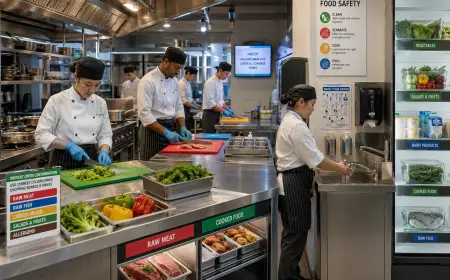
Hand Hygiene Facilities:
1. Handwash stations with soap and running water
2. Hand sanitizers in service areas
3. Disposable paper towels or air dryers
Protective Equipment:
A. Disposable gloves (food handling)
B. Hair nets and caps (BOH staff)
C. Face masks where required
Cleaning and Sanitation Tools:
1. Sanitizing solutions for surfaces
2. Color-coded cleaning cloths
3. Waste bins with lids
Uniform and Storage Facilities:
A. Locker rooms for personal items
B. Laundry services for uniforms
C. Spare uniforms for emergencies
These tools keep hospitality hygiene protocol running smoothly during operations.
Service Standards and Hygiene Performance Metrics
Standards only work when measured. No checks, no control.
Key Performance Metrics:
1. Hand hygiene compliance: 100%
2. Uniform cleanliness: 100% adherence
3. Grooming compliance: 100% before shift
4. Supervisor hygiene audit score: above 95%
5. Guest feedback on cleanliness: above 90%
Supervisors must monitor actively. Standards drop fast when ignored.
Evaluation and Continuous Improvement
Consistency comes from repetition, correction, and control.
Evaluation Methods:
1. Daily hygiene checklists
2. Supervisor inspections during service
3. Food safety audits
4. Guest feedback analysis
5. Staff retraining sessions
Common issues such as staff negligence, high turnover, peak-hour pressure. Fix them with training, strict SOP follow-up, and constant supervision.
Yes, systems and tracking tools help. But discipline runs the floor.
Keep hygiene tight and service stays clean, fast, and reliable.
Read more about Complete Grooming Standards for F&B Staff here