Professional Restaurant Hierarchy and Structure Training Guide
Learn restaurant hierarchy training covering structure, roles, SOP flow, staff coordination, and operational control in hotel and restaurant environments.
 Jyoti Kushwaha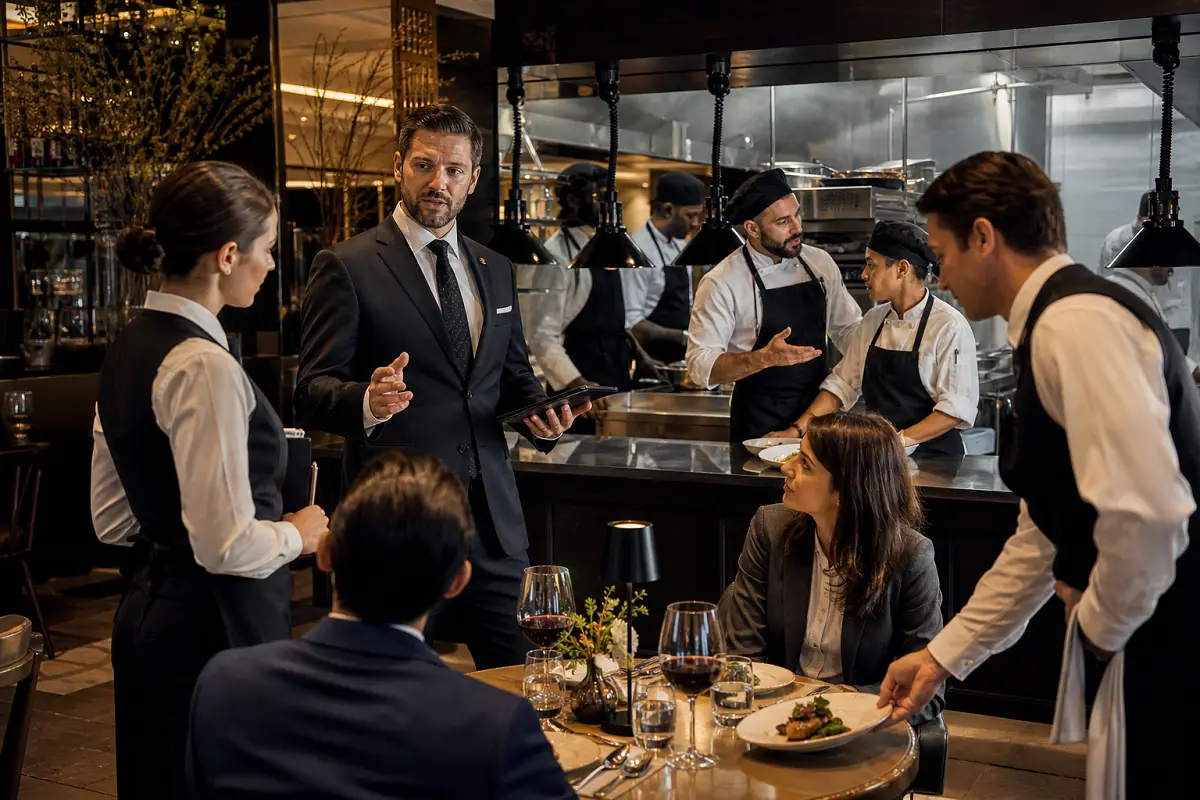
A restaurant hierarchy is vital for effective management of a restaurant. It is a formal chain of command that specifies the roles, responsibilities, and reporting relationships of every staff member. Organising staff, from executive leadership to front-line employees helps in creating a roadmap for daily operations. This article provides all information about Restaurant Hierarchy training guide with SOP & professional standards
What is a Restaurant Hierarchy?
The restaurant hierarchy is the restaurant organizational structure that defines how the different positions in a restaurant are structured and managed. It makes sure that each staff member understands his responsibilities and reporting manager. Ultimately, a well-defined hierarchy ensures the kitchen and dining room work in sync, leading to seamless communication, higher productivity, and a consistently excellent experience for every guest. This structure is vital for keeping discipline, accountability, and operational efficiency in restaurants, big or small.
Why is Restaurant Hierarchy Important?
Having a hierarchy in restaurants is important as it makes departments work together smoothly and ensures that the quality of service overall is good. It defines roles and responsibilities. Ensures efficient communication and decision making. It allows more control and oversight. It improves customer service. Working as a team helps in fast problem resolution.
What are the key levels in a Restaurant Hierarchy training?
A professional restaurant hierarchy is organized into three main levels by authority and responsibility.
Main Levels:
Top Management – Involved in Strategic planning and decision making.
Middle Management – Supervises & Coordinates different teams.
Operational Staff – execution of daily tasks is performed by operational staff.
How is a Professional Restaurant Structured?
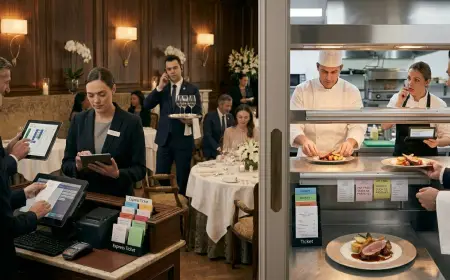
A restaurant structure typically has two major departments, Front of House (FOH) and Back of House (BOH).
FOH BOH ROLES
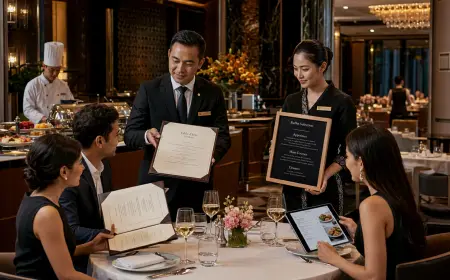
Front of House (FOH)
Front of House refers to all staff that have direct contact with customers to help ensure a pleasant dining experience.
FOH Key Positions are:
-
Restaurant Manager – Manages all operations
-
Assistant manager - Assists the manager
-
Host/Hostess - Greets and seats customers
-
Waiter/Server – Takes orders & serves the food.
-
Bartender – Prepares and serves drinks
-
Cashier – Manages billing and payments
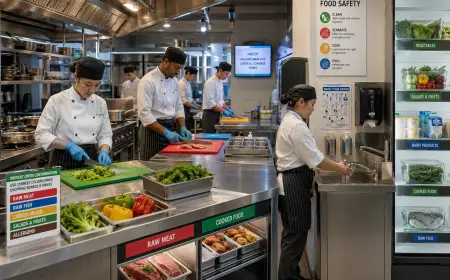
Back of House (BOH)
Back of House includes kitchen staff who are responsible for food preparation and quality standards.
BOH Key positions are:
Executive Chef - Head of Kitchen operations.
Sous Chef- Assists the executive chef
Chef de Partie - Manages specific sections
Commis Chef - Junior Kitchen staff
Kitchen Assistants - Supports basic tasks
How do Roles in a Restaurant Hierarchy Compare?
Different positions in hospitality staff hiearchy vary in terms of responsibility, authority, and skill level.
|
Position |
Level |
Key Responsibility |
Skill Requirement |
|
Restaurant Manager |
Top Management |
Overall supervision |
Very High |
|
Sous Chef |
Middle Management |
Kitchen coordination |
High |
|
Waiter/Server |
Operational |
Customer service |
Moderate |
|
Commis Chef |
Operational |
Basic food preparation |
Basic |
What are the main responsibilities?
Each level in the restaurant chain has responsibilities that help the entire operation run smoothly.
Major Responsibilities include:
-
Managing staff and schedule
-
Ensuring food quality and hygiene
-
Dealing with customer complaints
-
Maintaining Inventory and supplies
-
Supervising service and kitchen operations
-
Ensuring adherence to safety standards
What Skills Are Required for the Different Levels?
At different levels in the hierarchy different responsibilities require different skill sets.
Leadership and Management Skills for positions at high level such as Restaurant manager.
Communication & Coordination are required for mid level positions involved in supervision roles.
Technical and customer service skills are required for operational level roles such as waiters and Commis Chef. Time Management and Teamwork are key skills essential for all Levels in Restaurant Hierarchy. While there are benefits to having a hierarchy in a restaurant, it can also be difficult to maintain.
What Challenges Exist in Restaurant Hierarchy?
A proper hierarchy keeps the operation tight. But when it’s not managed well, cracks show fast.
Some common challenges are:
-
Communication gaps between different departments
Messages don’t land right between kitchen, service, and management. And that delay shows up at the table. -
Staff turnover and training issues
People leave. New staff come in. Training gets rushed. Standards start to dip. -
Managing peak-hour pressure
Rush hour exposes everything. If leadership isn’t clear, the whole flow gets messy. -
Maintaining consistency in service quality
Different shifts, different habits. That’s where inconsistency creeps in.
Pro-Tip
In our experience, a strong chain of command runs on people, not position. Build real connections. Show understanding. That’s what keeps the team tight and service running clean.
2026 Trend
Things are loosening up on the structure side.
-
Restaurants are using digital tools for staff management
-
AI-based ordering systems are reducing dependency on traditional roles
But here’s the reality systems help, people run the floor.
Get the team aligned, and everything else follows.