Step-by-Step Silver Service Training SOP & Restaurant Standards 2026
Learn step-by-step silver service training SOP, service sequence, and professional standards for fine dining restaurant operations.
 Jyoti Kushwaha
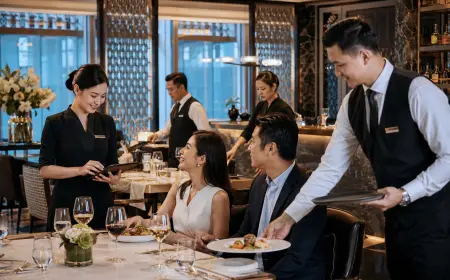
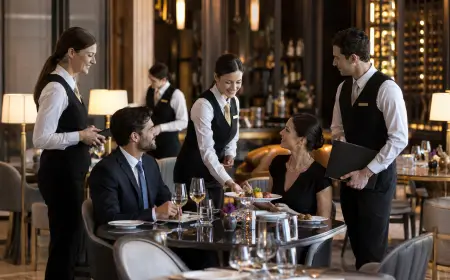
Talk in the pantry is focused on one thing tight, clean silver service with zero hesitation on the floor. Guests notice every move. And if your hands aren’t steady, it shows immediately. This silver service training SOP module is designed for food and beverage service staff in fine dining restaurants and luxury hotels. It focuses on structured platter service techniques, service sequence, and professional guest handling. Silver service is a formal dining method that enhances guest experience through precision, control, and elegant service standards.
Overview of Silver Service Training SOP in Restaurant Operations
Silver service training SOP is a classical service style used across fine dining, banquets, and luxury hotel outlets. Food is prepared and arranged on platters in the kitchen, then brought to the table. The server portions it directly onto the guest’s plate using a spoon and fork.
This style is all about control. Tight portions. Clean presentation. No mess on the rim.
It demands more skill than American service. Your posture, grip, and timing all matter. Done right, it keeps hygiene tight and presentation sharp.
You’ll see this in formal dining setups where the table’s vibe matters as much as the food. FOH and BOH must stay in sync kitchen sends clean platters, service finishes the job in front of the guest.
The goal is simple: follow the sequence, control the plate, and deliver the same standard every time.
SOP Procedure for Silver Service Training
The silver service SOP keeps things consistent, clean, and professional on every shift.
1. Pre-Service Preparation
Show up ready for briefing. Know the menu, portion sizes, and service order. Check your tools spoon and fork must be spotless and polished.
2. Table Setup
Set the table as per menu. Cutlery aligned, glassware clean, no fingerprints. Fine dining means no shortcuts.
3. Coordination with Kitchen
Confirm orders with the kitchen. Platters must come out clean, well-arranged, and properly garnished.
4. Platter Handling
Carry platters in your left hand using a service cloth. Balance is everything. No tilting, no shaking.
5. Guest Approach
Step in from the left. Present the dish and give a short, clear description. Keep it smooth.
6. Food Service
Serve using spoon and fork. Clean motion. No drops, no over-serving. Control every portion.
7. Service Completion
Serve all guests in order. Stay consistent. Don’t rush, don’t skip sequence.
8. Clearance
Clear from the right. Reset the table fast and clean for the next course.
Operational Service Sequence and Flow
This is your floor rhythm. Miss a step, and service friction shows up immediately.
Step-by-Step Service Flow:
- Receive order from guest
- Communicate order to kitchen
- Kitchen prepares and arranges food on platters
- Server collects platter from service area
- Check presentation and portion readiness
- Approach table from left side
- Present dish to guest
- Serve food using spoon and fork technique
- Serve all guests in sequence
- Return platter to service station
- Clear table after course completion
Service Timing Benchmarks:
• Order processing: within 5 minutes
• Food pickup: immediate after preparation
• Serving time per guest: 30–45 seconds
• Full table service (4 guests): within 4–6 minutes
• Clearance time: within 3 minutes
Hit these timings. But don’t lose control trying to rush.
Guest Interaction and Service Techniques
This is where guests judge you. Not just what you serve but how you serve it.
Communication Standards:
• Greet guests before service
• Announce each dish clearly
• Maintain eye contact and posture
• Use formal, respectful language
• Answer confidently
Service Techniques:
• Hold platter in left hand at waist level
• Use spoon and fork together
• Serve from the left side
• Keep portions consistent
• Avoid spills and extra movement
Service Order Protocol:
• Ladies first
• Gentlemen next
• Host last
• Follow clockwise flow
Do’s and Don’ts:
Do’s:
• Keep tools clean and polished
• Move smoothly no jerks
• Focus on clean presentation
Don’ts:
• Don’t touch food directly
• Don’t lean over guests
• Don’t rush the plate
Pro tip: If your movement looks rushed, the table feels it.
Tools and Equipment for Silver Service
Your tools are your control. If they’re off, your service is off.
Primary Equipment:
• Service platters
• Service spoon and fork
• Service cloth or napkin
• Dinner plates and cutlery
Support Equipment:
• Side station for staging dishes
• Tray for carrying items
• Plate warmers
• Garnishing tools
Handling Guidelines:
• Always use cloth for hot platters
• Keep tools sanitized and polished
• Maintain firm grip
• Don’t overload platters
Clean tools. Clean service. No excuses.
Service Standards and Performance Metrics
This is what the floor expects every shift.
Key Performance Metrics:
• Service accuracy: 100%
• Portion consistency: above 95%
• Guest satisfaction: above 90%
• Service timing adherence: above 90%
• Hygiene compliance: 100%
Anything less shows up fast in guest feedback.
Evaluation and Continuous Improvement
No one gets this perfect without repetition. You sharpen it every shift.
Evaluation Methods:
• Supervisor observation during service
• Practical skill assessments
• Guest feedback and reviews
• Service audits and SOP checklists
• Regular training sessions
Common issues? Bad portion control. Sloppy technique. Poor coordination.
Fix it with practice, discipline, and sticking to SOP.
Silver service is still the gold standard for formal dining. Speed matters but here, control wins. Get your hands steady, your sequence tight, and your presence calm. That’s what guests remember.
Read more about Guest Handling Training here