Chicken Chow Mein Recipe with SOP & Presentation Guide
Chicken Chow Mein starter portion recipe with SOP and presentation guide for hotel style and restaurant preparation menus.
 Tripti Srivastava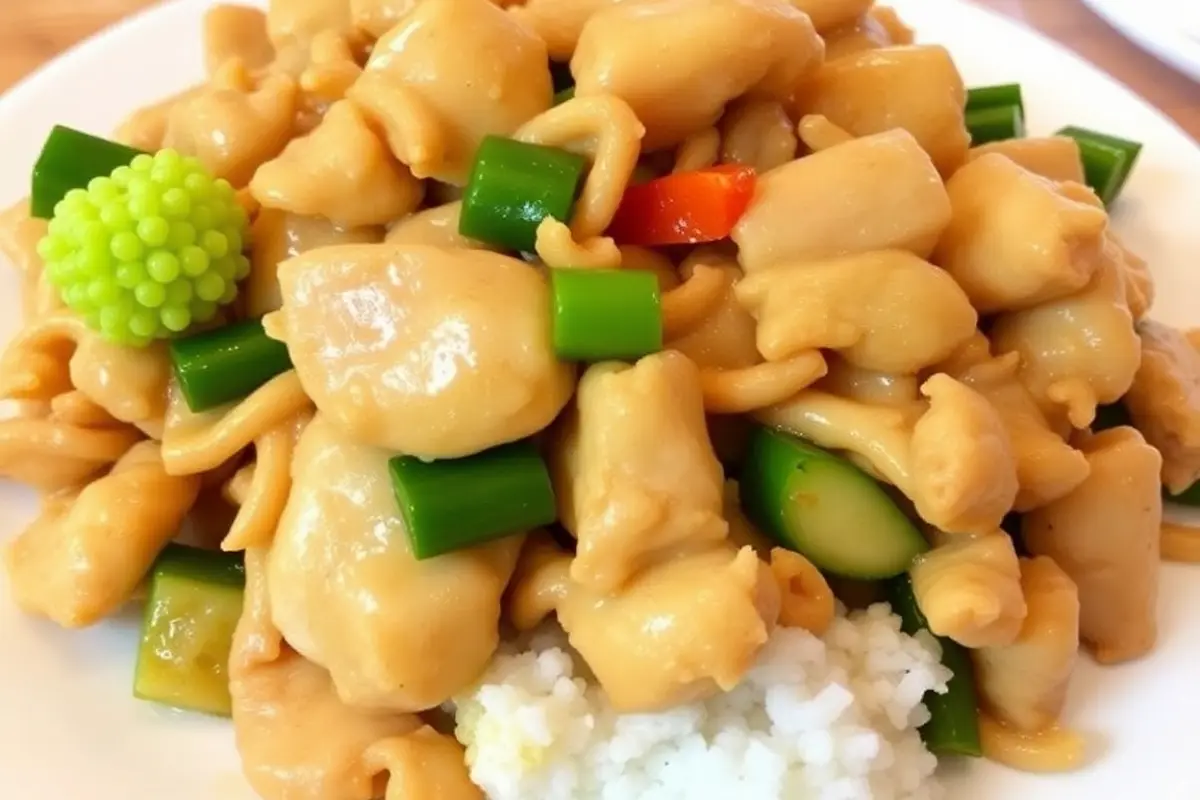
Chicken Chow Mein is a staple Starters recipe found across hotel style restaurants, bars, cafés, banquets, and Asian dining outlets. Built with tender chicken strips, properly cooked noodles, fresh vegetables, and savory seasonings, this dish delivers the right mix of texture, flavor, and plating that works well in restaurant preparation and hospitality operations.
In professional kitchens, noodle-based starters stay popular because they cook fast, look good on the plate, and appeal to almost every guest. Chicken Chow Mein brings together stir-fried noodles, juicy chicken, and colorful vegetables to create a flexible starter that fits both casual dining and premium service.
The foundation of this Starters recipe is properly cooked noodles. Hotel style kitchens aim for noodles that are just tender while still holding their shape. Overcooked noodles quickly turn sticky and affect both the plating and the guest experience.
Restaurant preparation standards require noodles to be boiled, refreshed in cold water, drained thoroughly, and lightly coated with oil before service. This keeps them from clumping together and helps the kitchen move quickly during busy periods.
Chicken is the main protein and has a big impact on the final result. Professional kitchens use fresh boneless chicken breast or thigh meat sliced into thin strips. Uniform cuts help with even cooking, clean plating, and consistency across every serving.
Marination is an important part of the prep. Chicken strips are lightly seasoned with soy sauce, ginger-garlic paste, pepper, and salt. This builds flavor and helps the meat stay moist during high-heat cooking.
Fresh vegetables bring color, texture, and freshness to the dish. Common ingredients include cabbage, carrots, bell peppers, spring onions, and beans. Consistent cuts support even cooking and the professional look expected in hotel style operations.
High-heat wok cooking is what gives Chow Mein its restaurant-quality character. Fast cooking keeps ingredients fresh while developing the light smoky notes associated with professional Asian cooking.
Good prep is essential in restaurant preparation. All vegetables, sauces, chicken, noodles, and garnishes should be ready before cooking starts. That keeps the workflow smooth and service fast.
The seasoning profile is balanced and clean. Soy sauce, white pepper, garlic, and light seasoning lift the natural flavors of the chicken and vegetables while keeping the classic Chow Mein taste intact.
Texture is one of the biggest markers of quality. Properly prepared Chicken Chow Mein should have separate noodles, tender chicken, crisp vegetables, and a light coating of seasoning. Too much sauce can take away from both texture and plating.
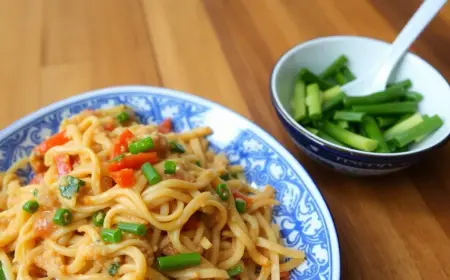
The look of the dish matters. Golden noodles, colorful vegetables, and succulent chicken create a vibrant plate that fits perfectly into hotel style dining and hospitality service standards.
Consistency is a major goal in professional kitchens. Standardized recipes, measured ingredients, and controlled cooking methods ensure every serving delivers the same flavor, texture, and appearance no matter how busy the service gets.
Food safety stays front and center throughout production. Chicken must be stored correctly, handled properly, and cooked thoroughly. Vegetables should be washed well and prepared according to food safety standards.
Portion control supports both profitability and guest satisfaction. Starter portions are designed to complement the meal rather than replace the main course. Accurate serving sizes help maintain that balance.
The versatility of this Starters recipe allows it to be served on its own, as part of an Asian sharing platter, or alongside spring rolls, satay, dumplings, and other appetizers. That flexibility makes it a valuable item in restaurant preparation.
From a hospitality training perspective, Chicken Chow Mein helps cooks build essential skills including knife work, marination, wok cooking, ingredient organization, and professional plating techniques.
Garnishing adds freshness and visual appeal. Spring onion greens, sesame seeds, chili flakes, and fresh coriander leaves bring color, texture, and aroma without taking attention away from the core flavors.
Presentation standards in Hotel style operations require noodles to be arranged neatly with visible chicken and vegetables distributed evenly throughout the serving.
Timing matters. Chow Mein should be served immediately after preparation. Holding it too long can affect texture and reduce the quality of the guest experience.
The dish pairs exceptionally well with soups, dim sum selections, fried appetizers, and Asian-inspired beverages. Its versatility makes it a strong addition to any menu.
Professional kitchens value Chicken Chow Mein because it combines efficient preparation with premium plating, making it suitable for both high-volume operations and upscale dining environments.
The combination of tender chicken, flavorful noodles, crisp vegetables, and attractive presentation keeps Chicken Chow Mein among the most popular Asian-inspired Starters recipes across hotels, restaurants, bars, lounges, and banquet operations.
Chicken Chow Mein Preparation Method
Noodles are boiled until tender, refreshed, and lightly coated with oil. Marinated chicken is stir-fried over high heat, followed by fresh vegetables and seasonings. The noodles are added and tossed quickly in a hot wok until evenly combined and served immediately.
SOP (Standard Operating Procedure)
Cook noodles according to standardized timing and cool immediately after boiling. Marinate chicken before service. Prepare complete mise en place in advance. Use high-heat wok cooking for rapid preparation. Follow portion control standards, food safety procedures, and serve immediately after cooking to maintain texture and quality.
Also Read: Chili Garlic Noodles Recipe
Garnish & Presentation
Garnish with sliced spring onion greens, toasted sesame seeds, coriander leaves, and a light sprinkle of chili flakes. Ensure vegetables remain colorful and visible throughout the dish.
Plating & Serving Tips
Serve in a warm Asian noodle bowl, contemporary appetizer plate, or deep serving dish. Twirl noodles neatly into a compact mound, arrange visible chicken strips on top, garnish attractively, and serve immediately while hot. Suitable for restaurant preparation menus, buffet stations, bars, lounges, and banquet service.
Ingredients
- Hakka noodles – 300 grams
- Boneless chicken (thin strips) – 250 grams
- Carrot (julienne) – 60 grams
- Cabbage (shredded) – 80 grams
- Red bell pepper (julienne) – 50 grams
- Garlic (finely chopped) – 20 grams
- Salt – 5 grams
- Vinegar – 15 ml
- Sesame oil – 20 ml
- White pepper powder – 3 grams
- Spring onion greens – 30 grams
- Green bell pepper (julienne) – 50 grams
- Ginger-garlic paste – 15 grams
- Soy sauce – 30 ml
- Toasted sesame seeds – 10 grams
Nutritional Information
- Calories: 320 kcal
- Protein: 18 g
- Carbohydrates: 38 g
- Fat: 10 g
- Fiber: 3 g
- Sodium: 720 mg
Directions
1. Prepare Noodles
Boil noodles until tender, drain, refresh in cold water, and toss with a little oil.
2. Marinate Chicken
Combine chicken with 10 ml soy sauce, ginger-garlic paste, and a pinch of pepper. Marinate for 15 minutes.
3. Heat Wok
Heat sesame oil in a wok over high flame.
4. Cook Chicken
Stir-fry marinated chicken until fully cooked and lightly browned.
5. Sauté Aromatics
Add chopped garlic and cook until fragrant.
6. Add Vegetables
Add cabbage, carrots, and bell peppers. Stir-fry for 2–3 minutes.
7. Season
Add remaining soy sauce, vinegar, chili sauce, salt, and white pepper.
8. Add Noodles
Add cooked noodles and toss thoroughly until evenly mixed.
9. Finish
Add spring onion greens and mix gently.
10. Plate & Serve
Arrange neatly in serving bowls, garnish with sesame seeds and spring onions, and serve immediately while hot.
Rate this Recipe
User Reviews
No reviews yet. Be the first to share your thoughts!