Seaweed Salad Starter Recipe with SOP & Presentation Guide
Seaweed Salad Starter recipe with SOP and presentation guide for hotel style and restaurant preparation featuring authentic Asian flavors.
 Tripti Srivastava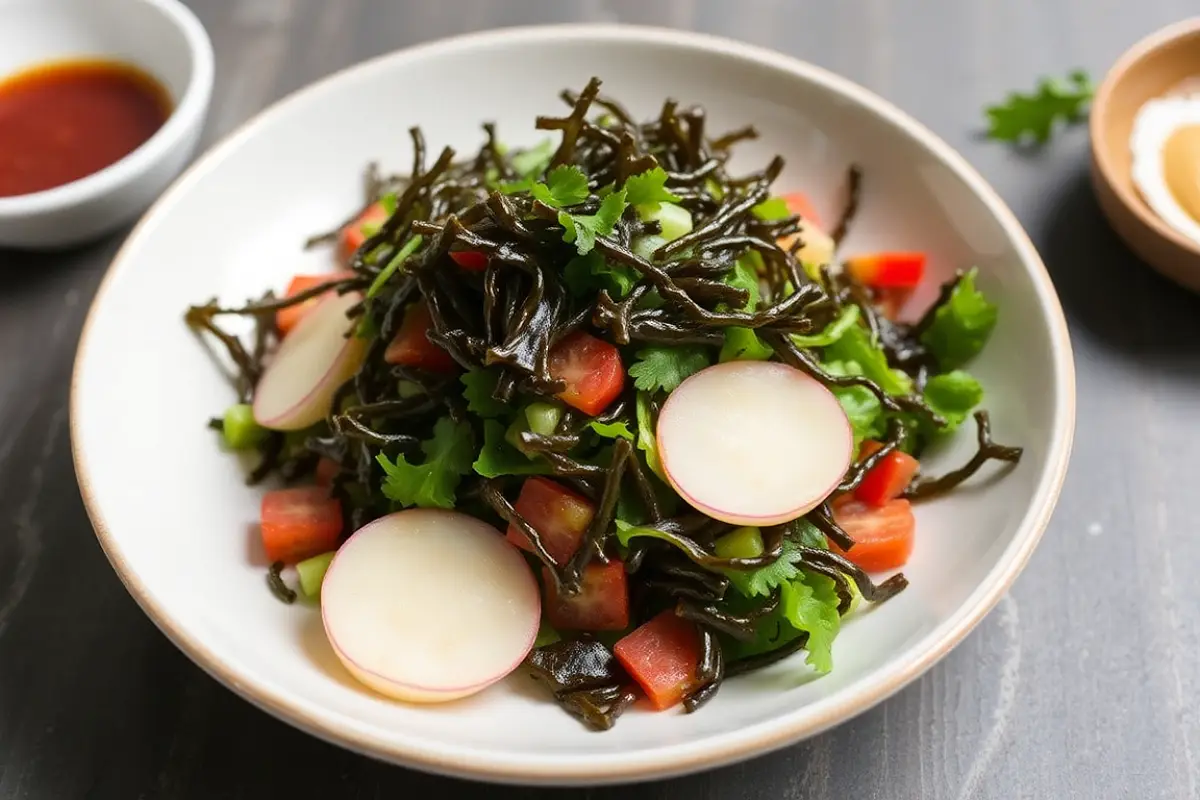
Seaweed Salad Starter is a fresh, clean Starters recipe found across hotel style restaurants, sushi bars, Asian dining venues, lounges, and premium buffet setups. Built around nutrient-rich seaweed and a balanced sesame dressing, this dish brings freshness, texture, and authentic Asian flavor while fitting smoothly into professional restaurant preparation and hospitality service.
As Asian flavors continue to earn a permanent place on hospitality menus, seaweed-based starters have become a go-to option for guests looking for something lighter. Seaweed Salad Starter delivers a distinctive mix of flavor, texture, and plating that works equally well with modern and traditional Asian concepts.
The foundation of this Starters recipe is quality edible seaweed. Professional kitchens commonly work with wakame and mixed sea vegetables because they offer a tender bite, vibrant color, and excellent flavor absorption.
Seaweed brings both nutritional value and versatility to the plate. Its naturally refreshing character pairs well with sesame oil, rice vinegar, soy sauce, and fresh vegetables. And that combination fits perfectly into premium restaurant preparation and health-conscious menus.
One of the standout qualities of Seaweed Salad Starter is its flavor balance. The dressing blends sweet, savory, tangy, and nutty notes while letting the seaweed remain the star of the dish. That balance is what keeps guests coming back.
Hotel style dining operations often feature seaweed salad on sushi menus, appetizer selections, tasting platters, and buffet spreads. Its bright color and clean plating add variety and contrast across the menu.
Professional kitchens put ingredient quality first. Properly rehydrated seaweed should be tender with a slight bite, creating a texture that sets it apart from standard green salads.
The dressing is kept light on purpose. Too much dressing can bury the freshness of the seaweed and affect the plating. Controlled seasoning keeps every ingredient working together.
Fresh vegetables such as cucumber, carrot, and spring onions are often added for extra texture and color. They bring freshness, crunch, and visual appeal to the finished dish.
Sesame oil plays a major role in the flavor profile. Its rich aroma complements the natural character of the seaweed and delivers the Asian flavor guests expect.
Restaurant preparation standards depend on consistency in cutting, dressing, and portioning. Uniform prep ensures balanced flavor and a professional finish in every serving.
Good prep is especially important because final assembly happens quickly. Seaweed, vegetables, dressing, garnishes, and serving ware should all be ready before service begins.
Food safety remains a priority throughout production. Seaweed should come from approved suppliers and be stored according to manufacturer guidelines. Fresh vegetables must be washed thoroughly and handled correctly.
Portion control supports both guest satisfaction and profitability. Standard serving sizes help maintain consistency while keeping food costs under control.
The plating plays a big role in the success of Seaweed Salad Starter. Bright green seaweed, colorful vegetables, black and white sesame seeds, and carefully placed garnishes create a refined look suited to premium dining operations.
From a hospitality training standpoint, this recipe helps build skills in ingredient preparation, dressing emulsification, portion control, cold food presentation, and professional plating.
The dish is highly adaptable. It works as an individual starter, buffet item, sharing plate component, or accompaniment to sushi and seafood dishes.
Many hotel style operations value this Starters recipe because it delivers strong presentation with efficient production. Most of the prep can be completed ahead of time, allowing quick assembly during service.
Texture is a major quality marker. Properly prepared seaweed should stay tender with a slight chew, while the vegetables provide freshness and crunch. That contrast makes the dish more enjoyable to eat.
The clean flavor profile also makes this salad an excellent palate cleanser between richer courses. And that makes it especially useful in tasting menus and multi-course dining experiences.
Garnishing adds the finishing touch. Sesame seeds, microgreens, sliced chilies, and finely cut spring onions bring visual appeal while reinforcing the Asian identity of the dish.
Presentation standards in Hotel style environments focus on simplicity, cleanliness, and balance. Every component should look intentional and earn its place on the plate.
Timing still matters. The salad should be served chilled and freshly dressed. Holding it too long after dressing can affect both texture and appearance.
From an operational standpoint, Seaweed Salad Starter performs extremely well thanks to its easy preparation, attractive look, nutritional appeal, and flexibility across different menu styles.
The combination of refreshing flavors, clean plating, nutritional value, and efficient restaurant preparation keeps this dish firmly established in modern hospitality operations.
Its versatility, premium appearance, health-focused appeal, and authentic Asian character make Seaweed Salad Starter a strong addition to hotel style menus, restaurant preparation programs, hospitality training kitchens, sushi bars, lounges, and buffet operations.
Seaweed Salad Preparation Method
Dried seaweed is rehydrated and drained thoroughly before being combined with julienned vegetables. A dressing made with soy sauce, rice vinegar, sesame oil, sugar, and seasonings is prepared separately. The salad is tossed gently, chilled briefly, and finished with sesame seeds and fresh garnishes before service.
Also Read: Wasabi Peas Snack Recipe
SOP (Standard Operating Procedure)
Use premium-quality edible seaweed from approved suppliers. Follow recommended rehydration procedures. Standardize vegetable cuts and dressing measurements. Maintain proper refrigeration temperatures throughout preparation. Complete all prep before service, follow food safety standards, control portion sizes, and dress the salad shortly before serving.
Garnish & Presentation
Garnish with black and white sesame seeds, spring onion greens, microgreens, thinly sliced red chilies, and cucumber ribbons. Maintain a clean, elegant finish suitable for premium hotel style dining.
Plating & Serving Tips
Serve chilled in a shallow bowl, sushi plate, or contemporary appetizer dish. Arrange the seaweed neatly in the center with visible vegetable garnishes throughout. Finish with sesame seeds immediately before service. Ideal for restaurant preparation menus, sushi counters, Asian buffets, lounges, and banquet starter selections.
Ingredients
- Dried wakame seaweed – 80 grams
- Cucumber (julienne) – 100 grams
- Spring onion greens – 20 grams
- Rice vinegar – 25 ml
- Sugar – 10 grams
- White sesame seeds – 10 grams
- Fresh ginger (grated) – 5 grams
- Sesame oil – 15 ml
- Soy sauce – 25 ml
- Carrot (julienne) – 60 grams
- Water (for soaking) – 1 liter
- Microgreens – 10 grams
Nutritional Information
- Calories: 125 kcal
- Protein: 4 g
- Carbohydrates: 12 g
- Fat: 7 g
- Fiber: 3 g
- Sodium: 540 mg
Directions
1. Rehydrate Seaweed
Soak dried wakame seaweed in cold water for 10 minutes until fully expanded.
2. Drain & Prepare
Drain thoroughly and gently squeeze excess water from the seaweed.
3. Prepare Vegetables
Julienne cucumber and carrot. Slice spring onion greens.
4. Make Dressing
Combine soy sauce, rice vinegar, sesame oil, sugar, and grated ginger until well blended.
5. Combine Ingredients
Place seaweed and vegetables in a mixing bowl.
6. Add Dressing
Pour dressing over the ingredients and toss gently.
7. Chill
Refrigerate for 5–10 minutes to allow flavors to develop.
8. Plate
Arrange salad neatly in serving bowls or appetizer plates.
9. Garnish
Sprinkle white and black sesame seeds, sliced chili, and microgreens.
10. Serve
Serve chilled immediately for best texture and presentation.
Rate this Recipe
User Reviews
No reviews yet. Be the first to share your thoughts!