Veg Chow Mein (Starter Portion) Recipe with SOP & Presentation Guide
Veg Chow Mein starter portion recipe with SOP and presentation guide for hotel style and restaurant preparation menus.
 Tripti Srivastava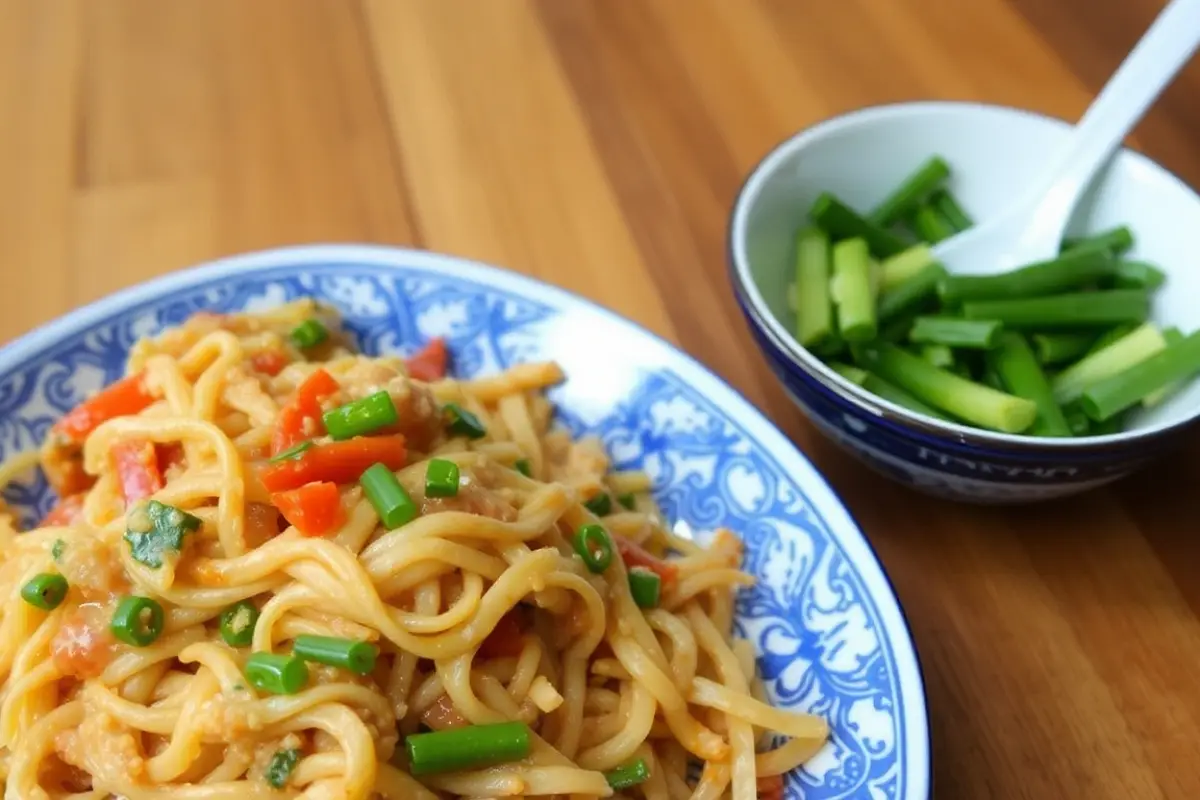
Veg Chow Mein is a classic Starters recipe built around properly cooked noodles, fresh vegetables, and balanced Asian seasonings. A regular favorite in hotel style restaurants, cafés, banquets, and bars, this dish brings together great texture, strong color, and fast service execution, making it a dependable choice in professional restaurant preparation.
Few Asian-inspired noodle dishes have the staying power of Veg Chow Mein. Its versatility, cost-effectiveness, and broad guest appeal keep it firmly on menus across hospitality operations. Tender noodles, colorful vegetables, and savory seasoning come together in a dish that works just as well as a standalone starter, a sharing plate, or part of a larger Asian meal.
In hotel style kitchens, noodle starters earn their place because they deliver flavor while keeping production efficient. Veg Chow Mein also gives chefs the chance to showcase fresh ingredients, sharp knife work, wok skills, and clean plating all in one recipe.
The foundation of this Starters recipe is high-quality noodles. Get the texture right and the dish works. Get it wrong and guests notice immediately. Professional kitchens cook noodles until just tender, cool them straight away, and lightly oil them to stop sticking. That keeps the noodles separate and easy to toss during service.
Fresh vegetables bring color, crunch, nutrition, and eye appeal. Typical ingredients include cabbage, carrots, bell peppers, beans, and spring onions. Each one adds its own texture and flavor while helping build the final look of the dish.
Uniform cutting matters in restaurant preparation. Julienne vegetables cook evenly, look professional, and help maintain consistency across every serving. Standardized cuts also support portion control and smooth kitchen operations.
High-heat wok cooking is one of the signatures of authentic Chow Mein. The intense heat keeps vegetables slightly crisp while building the light smoky character that guests expect from a well-made noodle dish.
Garlic drives the flavor base. Freshly chopped garlic is stir-fried briefly to release its aroma without picking up bitterness. That simple step helps build the savory profile associated with quality Asian noodles.
Soy sauce adds depth, color, and umami. In professional hotel style kitchens, it is measured carefully to keep flavors consistent and prevent excessive saltiness. Good balance always shows solid kitchen discipline.
White pepper is often the preferred choice because it adds gentle warmth without taking over the dish. Paired with garlic and soy sauce, it creates a seasoning profile that supports the vegetables instead of covering them up.
Texture remains one of the biggest indicators of quality in Veg Chow Mein. The noodles should stay light and separate, the vegetables should hold a slight bite, and the seasoning should coat everything evenly without making the dish heavy or wet.
The plating has a direct impact on guest perception. The contrast of white noodles, orange carrots, green peppers, red peppers, and fresh spring onions creates a lively appearance that adds value to the dining experience.
Hotel style kitchens rely heavily on prep because wok cooking moves fast. Vegetables, noodles, sauces, and garnishes should all be ready before the pan hits the heat. That preparation supports consistency and smooth service during busy periods.
Restaurant preparation standards depend on standardized recipes and measured ingredients. Guests expect the same flavor, quality, and plating every time they order the dish, and consistency is what delivers that experience.
Food safety standards are just as important. Vegetables should be washed thoroughly, noodles handled correctly, and prepared ingredients stored under proper conditions until service.
Portion control supports both profitability and guest satisfaction. Starter portions are designed to provide an enjoyable first course while leaving room for the rest of the meal.
The versatility of Veg Chow Mein makes it a strong performer across many hospitality settings. It fits comfortably into casual dining restaurants, premium hotels, buffet operations, food courts, banquet functions, and corporate catering services.
From a culinary training standpoint, this recipe develops several core skills including vegetable preparation, wok handling, seasoning balance, heat control, and professional plating. That is why it remains a common feature in hospitality and kitchen training programs.
The dish pairs easily with other Asian appetizers such as spring rolls, dim sum, satay, dumplings, tempura, and crispy vegetable preparations. That flexibility adds value when building menus and creating guest-friendly combinations.
Garnishing adds freshness and visual appeal. Spring onion greens, sesame seeds, chili flakes, and fresh coriander leaves bring contrast and texture while reinforcing the professional finish of the dish.
Presentation standards in Hotel style environments call for neatly arranged noodles with vegetables distributed evenly throughout the serving. Garnishes should be applied carefully to create balance without cluttering the plate.
Timing matters with noodle dishes. Veg Chow Mein should go out immediately after cooking to hold its texture, temperature, and freshness. Holding it too long can quickly affect the overall eating experience.
Operational efficiency is another reason this Starters recipe remains popular. With proper prep in place, the dish can be executed quickly while maintaining consistent quality, making it ideal for both high-volume and à la carte service.
The combination of fresh vegetables, balanced seasoning, strong wok cooking, and attractive plating keeps Veg Chow Mein among the most reliable and successful appetizers in modern hospitality operations.
Its adaptability, guest appeal, and straightforward execution make it a valuable addition to hotel style menus, restaurant preparation programs, hospitality training kitchens, bars, lounges, and banquet operations looking for dependable and profitable vegetarian starter options.
Veg Chow Mein Preparation Method
Noodles are boiled until tender, refreshed in cold water, and lightly coated with oil. Garlic and vegetables are stir-fried in a hot wok before sauces and seasonings are added. The noodles are tossed quickly over high heat until evenly coated and served immediately.
SOP (Standard Operating Procedure)
Cook noodles according to standardized timing and cool immediately after boiling. Prepare all vegetables and sauces before service. Use high-heat wok cooking for rapid preparation. Follow food safety procedures, maintain portion control, and serve immediately to preserve texture and quality.
Also Read: Chicken Chow Mein
Garnish & Presentation
Garnish with spring onion greens, toasted sesame seeds, coriander leaves, and chili flakes. Ensure vegetables remain colorful and visible throughout the dish for premium hotel style presentation.
Plating & Serving Tips
Serve in a warm noodle bowl, Asian-style serving plate, or contemporary appetizer dish. Twirl noodles neatly into a compact mound, distribute vegetables evenly, garnish attractively, and serve immediately while hot. Ideal for restaurant preparation menus, buffet stations, bars, lounges, and banquet service.
Ingredients
- Hakka noodles – 300 grams
- Carrot (julienne) – 70 grams
- Green bell pepper (julienne) – 50 grams
- French beans (julienne) – 40 grams
- Soy sauce – 25 ml
- Vinegar – 15 ml
- Chili sauce – 20 ml
- Spring onion greens – 30 grams
- Red bell pepper (julienne) – 50 grams
- Cabbage (shredded) – 90 grams
- Garlic (finely chopped) – 25 grams
- Fresh coriander leaves – 10 grams
Nutritional Information
- Calories: 275 kcal
- Protein: 7 g
- Carbohydrates: 43 g
- Fat: 8 g
- Fiber: 4 g
- Sodium: 680 mg
Directions
1. Boil Noodles
Cook noodles until tender. Drain, refresh in cold water, and toss lightly with oil.
2. Heat Wok
Heat sesame oil in a wok over high flame.
3. Sauté Garlic
Add chopped garlic and stir-fry until aromatic.
4. Add Vegetables
Add carrots, cabbage, beans, and bell peppers. Stir-fry for 2–3 minutes.
5. Add Seasonings
Add soy sauce, vinegar, chili sauce, salt, and white pepper.
6. Add Noodles
Add cooked noodles and toss thoroughly over high heat.
7. Finish Cooking
Add spring onion greens and mix evenly.
8. Plate
Arrange noodles neatly in serving bowls or plates.
9. Garnish
Sprinkle sesame seeds, coriander leaves, and chili flakes.
10. Serve
Serve immediately while hot for best texture and flavor.
Rate this Recipe
User Reviews
No reviews yet. Be the first to share your thoughts!