Idli Recipe & Homemade Idli Batter With Tips & Tricks
Idli is a traditional South Indian steamed food made from fermented rice and urad dal batter. Soft, mildly flavored, served with sambar and chutney.
 RUKAIYA KADIWAL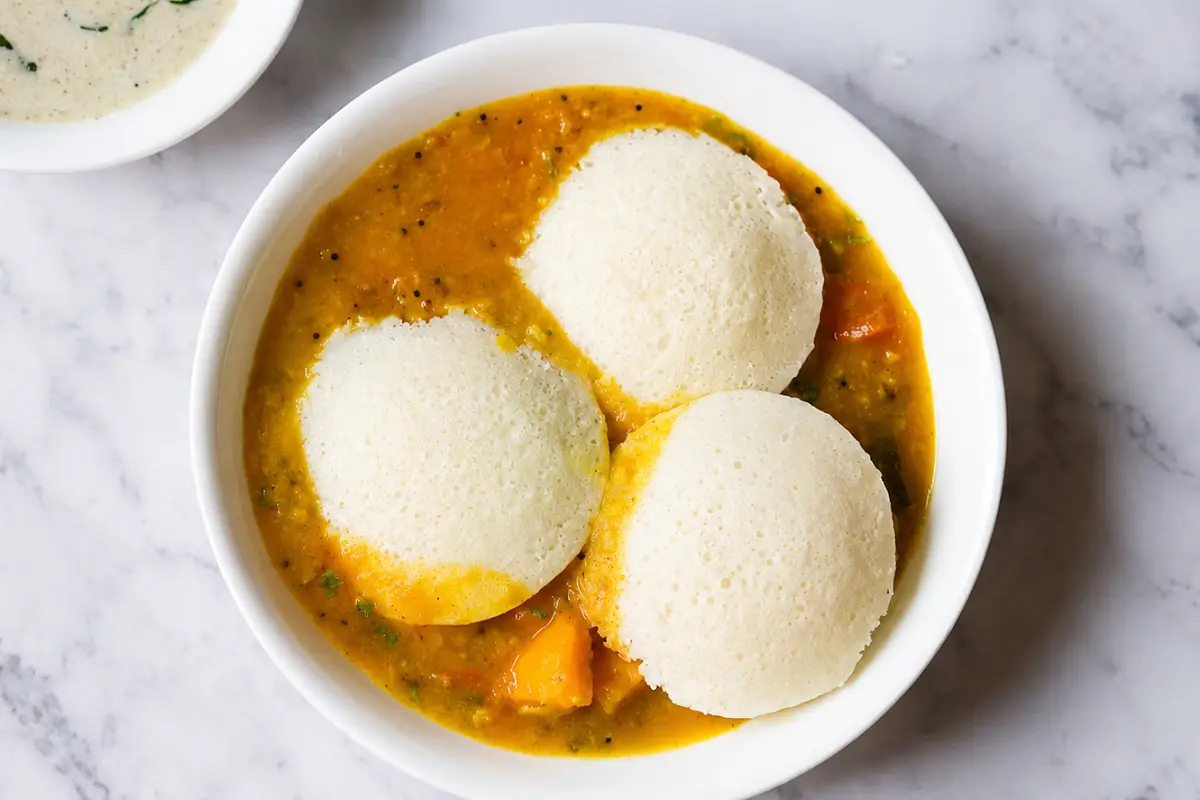
Idli isn't just food; it's a memory. Growing up, Sundays at home meant the comforting rhythm of idli-making. My mom would soak rice and urad dal during the day, and by night, the familiar whirr of our old Sumeet mixer would fill the kitchen as she ground the batter.
I still remember that earthy aroma of freshly ground urad dal; so distinct, so comforting. Even today, when I prepare the batter, I'm instantly transported back to those evenings, watching her pour the thick batter into a large bowl, gently mixing in salt, and setting it aside to ferment overnight.
Sunday breakfast was always a celebration of soft, steaming hot idlis; sometimes followed by crisp dosas from the same batter. Any leftovers would magically turn into delicious uttapams or paniyarams the next day.
It was simple, soulful food made with love; a rhythm I continue in my own kitchen today. Along with those memories, this recipe brings together time-tested technique and careful fermentation so your idlis turn out soft and fluffy every time.
Idli is my comfort food , simple, nourishing, and timeless. Naturally vegan, gluten-free, and light on the stomach, it's also one of the healthiest breakfast options around. This classic South Indian dish has found fans not just across India, but around the world.
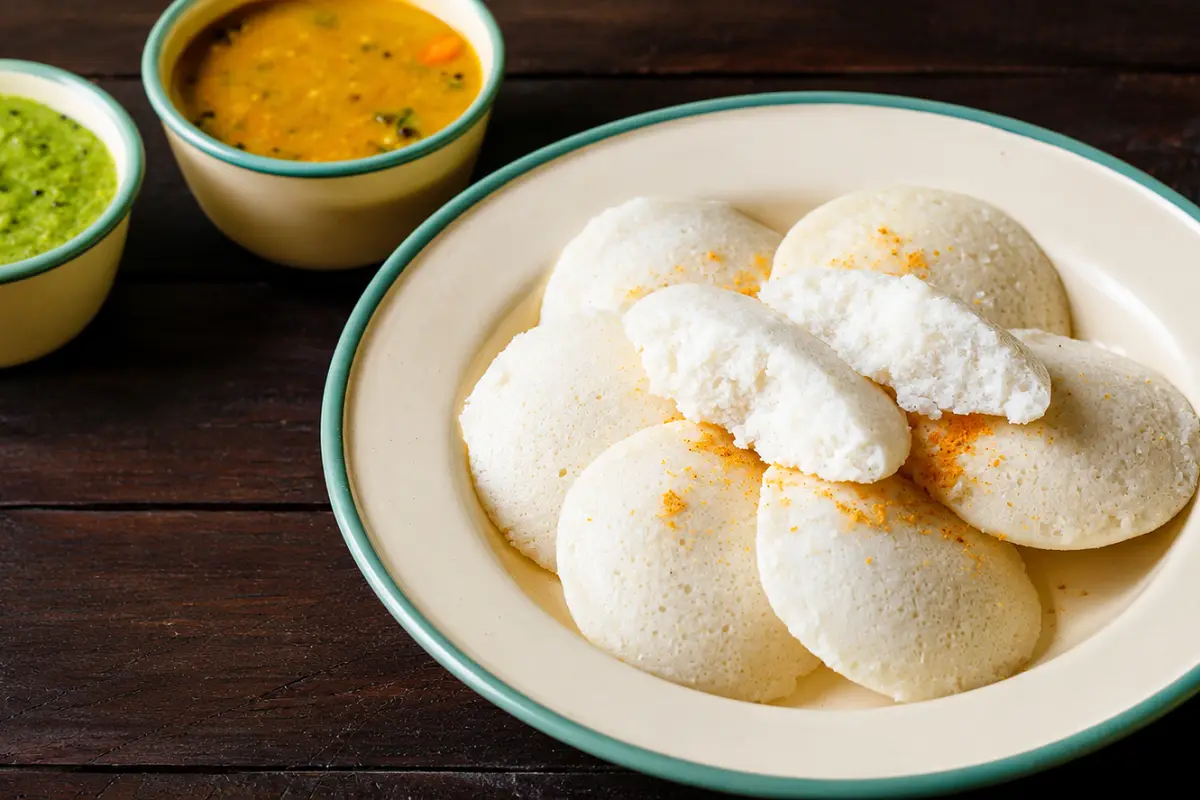
Idli is a soft, steamed savory cake made from a naturally fermented batter of parboiled rice and urad dal (hulled black gram). It's a staple South Indian breakfast known for being light, nutritious, vegan, and gluten-free.
The process involves soaking rice, fenugreek seeds and lentils, grinding them into a fine, thick batter, fermenting it overnight or for 8 to 9 hours, and then steaming the batter in idli moulds. The result is a fluffy, spongy, and mildly tangy idli that pairs beautifully with Coconut Chutney and Sambar.
This post walks you through the traditional way of making these steamed cakes with rice; so you can recreate the same soft idli I grew up eating.
Overview of the Idli Making Process
Traditional idli making involves four steps: soaking, grinding, fermenting, and steaming. Shortcuts exist, but nothing beats the soft texture and mild tang of naturally fermented batter.
There are two time-tested methods , one with idli rice, the other with idli rava. Both follow the same basic process.
Idli with Idli Rice: Uses parboiled idli rice and hulled urad dal (whole or split). Fresh dal ferments well and gives a softer texture. Some use raw short-grain rice like sona masuri also works. Grind the batter fine, mix with salt, and ferment.
Idli with Idli Rava (Rice Rava): Quicker method. Idli rava is coarsely ground parboiled rice. Soak separately, grind only the urad dal, then mix and ferment. Texture remains soft and light.
Foundations of a Good Idli Batter
A well-made batter is the key to soft, spongy, and light idli. These seven essentials cover the process and practical tips that truly make a difference.
Use Fresh Ingredients: Always use fresh urad dal. Aged dal doesn't ferment well and affects texture. Choose quality parboiled idli rice or a mix of raw and parboiled rice.
Soak Properly: Rinse rice and dal thoroughly and soak them separately for 4 to 5 hours. Use clean water and discard soaking water before grinding.
Grind to the Right Consistency: Grind urad dal until fluffy and smooth. Rice should be slightly grainy.
For stone grinder: 1 cup water per ½ cup dal, 1.5 to 2 cups for 2 cups rice
For mixie: ½ cup water for ½ cup dal, ¾ to 1 cup for 2 cups rice
Add water gradually. Batter should be light but not runny.
Mix and Handle the Batter Well: Mix both batters thoroughly with clean hands or a ladle. This spreads the natural microbes that support fermentation.
Ferment in a Warm Spot: Keep the batter loosely covered in a warm place for 8 to 12 hours. It should double or triple in volume and have a mild sour aroma.
Salt Usage: Use rock salt or sea salt, not iodised salt. In warm climates, add salt before fermentation. In cold climates, add salt after fermentation to avoid slowing the process.
Steam Gently and Don't Overcook: Grease the moulds and steam for 12 to 15 minutes in a steamer or cooker without the whistle. Let them sit for 2 to 3 minutes before unmoulding. Over-steaming can dry them out. Check doneness with a toothpick, it should come out clean.
How to Make Idli at Home (Stepwise)
Making idli at home from scratch may seem like a long process, but once you understand the steps, it becomes second nature.
Below, I've shared the detailed step-by-step method with photos to help you see the texture, proportion, and consistency clearly at each stage , from soaking to steaming. For the complete original step-by-step method with photos, you can also refer to the original Idli Recipe on Veg Recipes of India.
Ingredients
- 1 cup regular rice + 1 cup parboiled rice or 2 cups idli rice or 2 cups parboiled rice
- ½ cup (120 grams) urad dal – whole or split (husked black gram)
- ¼ cup (20 grams) thick poha (flattened rice)
- ¼ teaspoon fenugreek seeds (methi seeds)
- 2 cups water – for soaking rice
- 1 cup water – for soaking urad dal
- ½ cup water – for grinding urad dal or add as required
- ¾ to 1 cup water – for grinding rice or add as required
- 1 teaspoon rock salt (edible and food grade) or sea salt
- oil – as required to apply to the idli moulds
- 2 to 2.5 cups water – for steaming
Nutritional Information
- Calories: 38kcal
- Carbohydrates: 8g
- Protein: 1g
- Fat: 1g
- Saturated fat: 1g
- Sodium: 81mg
- Potassium: 9mg
- Fibre: 1g
- Sugar: 1g
- Vitamin B1 ( Thiamine): 1mg
- Vitamin B2 ( Riboflavin): 1mg
- Vitamin B3 ( Niacin): 1mg
- Vitamin B6: 1mg
- Vitamin C: 1mg
- Vitamin E: 1mg
- Calcium: 5mg
- Vitamin B9 ( Folate): 1mg
- Iron: 1mg
- Magnesium: 2mg
- Phosphorus: 9mg
- Zinc: 1mg
Directions
Idli Recipe: Step-by-steps
Directions
Step 1: Soak the Rice, Lentils & Poha
In a bowl or pan take 1 cup parboiled rice and 1 cup regular rice. Here I have used the Indian variety of sona masuri rice along with parboiled rice.
Instead of this proportion, you can also use overall 2 cups of idli rice OR 2 cups of parboiled rice (as shown in the video above).
Pick and then rinse both the rice varieties a couple of times in fresh water. Drain all the water and keep it aside.
Take ¼ cup thick poha (flattened rice or parched rice) in a bowl. Poha helps in making the idli soft and fluffy. If you don't have poha then you can skip it.
Rinse the poha once or twice with fresh water.
Then add the poha to the rice. Add 2 cups of water. Mix very well and keep aside covered to soak for 4 to 5 hours.
In a separate bowl take ½ cup urad dal (husked black gram) along with ¼ teaspoon fenugreek seeds.
Omit the fenugreek seeds if you don't have them.
Rinse a couple of times in fresh water.
Add 1 cup water. Cover and soak for 4 to 5 hours.
Before grinding, drain the water from urad dal, but don't throw away the water. Reserve the soaked water as we will be using this water for grinding or you can use fresh water for grinding.
Step 2: Grind Rice and Urad Dal Separately
In a wet grinder jar, add the urad dal. Initially add ¼ cup of the reserved water or fresh water.
And grind the urad dal for some seconds. Then add ¼ cup of the reserved soaked water or fresh water and continue to grind. The batter should be light and fluffy when completely ground.
Pour the urad dal batter in a deep pan or bowl.
Drain the water from the rice and poha. Add them in the wet grinder jar or in a powerful blender. I usually grind in two batches.
Depending on the capacity of your mixer-grinder or blender you can grind in two to three batches. If the mixie gets heated up while grinding, then stop and let it cool. Then continue with the grinding.
Use the reserved urad dal strained water or regular fresh water to grind the rice and poha too. Add water in parts and grind.
The rice can have a fine rava like consistency in the batter. A smooth batter is also fine. I usually add a total of ¾ cup of water while grinding rice. The rice batter should not be too thick or thin.
You can add about ¾ to 1 cup of water depending upon the quality of rice.
Now pour the rice batter in the bowl containing the urad dal batter.
Add 1 teaspoon of edible rock salt or pink salt. Mix very well with a spoon or spatula. If you live in a cool or cold region, then do not add salt. Add salt later once the fermentation is done.
If you live in a hot or warm climate, then add salt as it does not allow the batter to get over fermented in the time duration of 6 to 8 hours.
Note that salt retards the fermentation process.
Step 3: Let the Batter Ferment Naturally
Cover the bowl or container with a lid and keep the batter in a warm place. It should be left undisturbed for 8 to 9 hours. Don't use an air-tight lid. In colder climate, keep the batter for a longer time – from 12 to 24 hours.
I have mentioned various tips below for the idli batter to ferment well. So do read this section below after step by step photos.
The batter the next morning. It will ferment and increase in volume. A well fermented batter will have a nice sour aroma with many tiny air pockets in the batter.
As soon as the batter is fermented you can begin with steaming or keep the batter in the fridge if making later.
If you allow the fermented batter to remain at room temperature, it will ferment more and will become very sour with time.
Step 4: Make Idli
Grease or brush the moulds with oil all over evenly. Gently and lightly swirl the batter. Don't overdo. Now with a spoon pour portions of the batter in the greased moulds.
Take your idli steamer or pressure cooker or electric cooker or Instant pot. Add some 2 to 2.5 cups water and heat the water until it comes to a light boil. Keep the mould in the steamer or pressure cooker. Steam for 12 to 15 minutes.
Timing will vary depending on the kind of equipment you have used. If using a pressure cooker, then cover the pressure cooker with its lid. Remove the vent weight/whistle from the lid. Steam for approx 12 to 15 minutes.
Check for doneness by carefully inserting a bamboo skewer or knife. If it does not come out clean, then keep again for a few more minutes.
When done remove the mould from the cooker. Don't overcook as then they become dry.
Dip a spoon or butter knife in water and slid them through the cooked idlis. Remove and place the them in a warm container like a casserole.
Serve Idli hot or warm with sambar and coconut chutney.
Rate this Recipe
User Reviews
No reviews yet. Be the first to share your thoughts!