Italian Pop-Up Restaurant Set to Launch in Cambridge, Bringing Temporary Dining Experience
A new Italian pop-up restaurant is set to launch in Cambridge, offering a temporary dining experience focused on authentic cuisine and seasonal menus.
 Prajakta Sanjay Warwadkar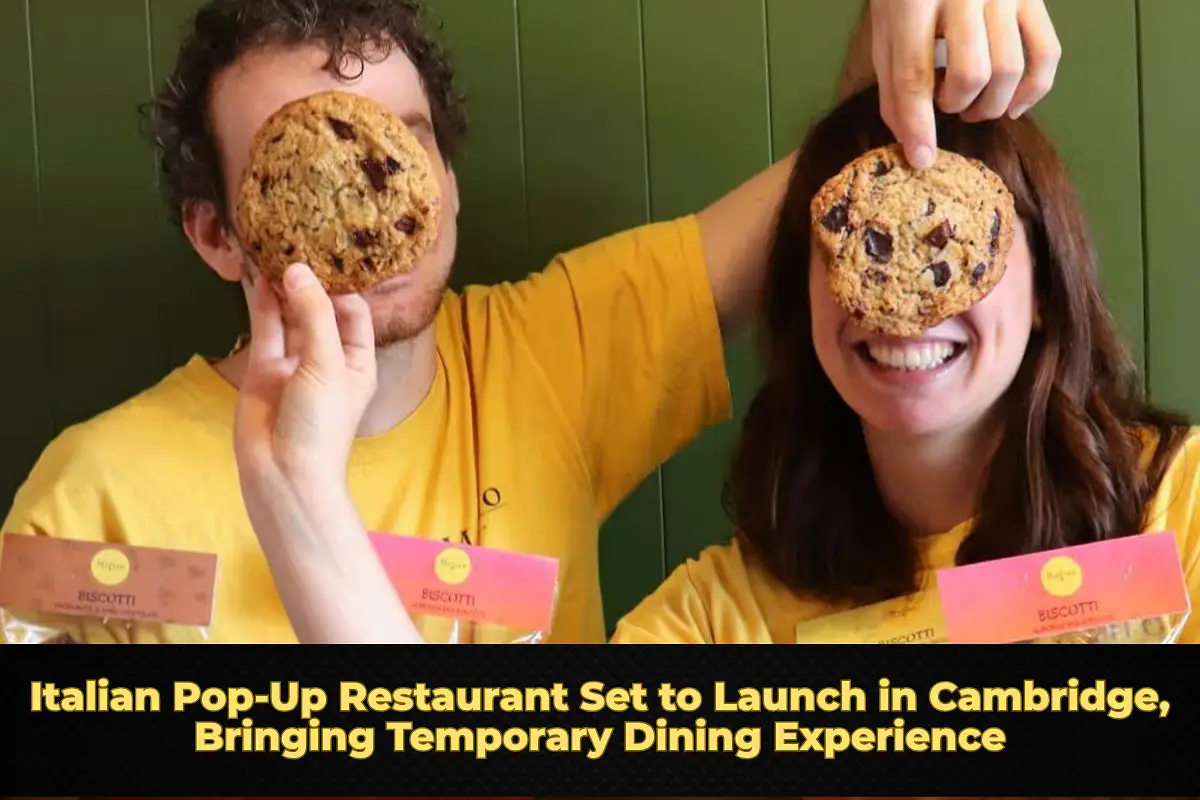
Italian Pop-Up Restaurant Set to Launch in Cambridge, Bringing Temporary Dining Experience
An Italian pop-up restaurant is set to launch in Cambridge, United Kingdom, in 2026, introducing a temporary dining concept that aims to offer authentic cuisine and a unique culinary experience. The initiative reflects the growing popularity of pop-up restaurants as operators explore flexible and innovative ways to engage diners and test new concepts.
The pop-up, scheduled to open for a limited period, will feature a menu inspired by traditional Italian cooking, with a focus on seasonal ingredients and regional flavors. आयोजकों say the concept is designed to create an immersive and dynamic dining experience while contributing to Cambridge’s evolving food scene.
Temporary Dining Concept Gains Momentum
Pop-up restaurants have become an increasingly prominent trend in the hospitality industry, allowing chefs and entrepreneurs to experiment with new ideas without the long-term commitment of a permanent location. The Cambridge Italian pop-up is part of this broader movement, offering a short-term concept that emphasizes creativity and flexibility.
Such ventures often attract diners seeking novel experiences, with limited-time availability creating a sense of exclusivity. Operators benefit from reduced overhead costs and the ability to adapt quickly to market feedback, making pop-ups an appealing option in a competitive environment.
The Cambridge launch highlights how temporary dining concepts are being used to diversify local food offerings and attract new audiences.
Focus on Authentic Italian Cuisine
The pop-up restaurant will center its menu on authentic Italian dishes, drawing inspiration from traditional recipes and culinary techniques. आयोजकों have indicated that the menu will feature a range of offerings, including handmade pasta, classic sauces, and carefully curated desserts.
Seasonality will play a key role in menu development, with ingredients sourced to ensure freshness and quality. The emphasis on authenticity aims to provide diners with a genuine taste of Italian cuisine, distinguishing the pop-up from more conventional dining options.
Italian cuisine remains one of the most popular globally, and its adaptability makes it well-suited for experimental dining formats such as pop-ups.
Enhancing Cambridge’s Dining Scene
Cambridge has seen steady growth in its hospitality sector, with new restaurants and concepts contributing to a diverse culinary landscape. The introduction of an Italian pop-up adds to this momentum, offering residents and visitors an additional dining option.
Pop-up restaurants can also serve as a platform for culinary innovation, bringing fresh ideas and perspectives to established markets. By introducing a temporary concept, the organizers aim to complement existing dining establishments while adding variety to the city’s offerings.
The initiative is expected to attract interest from both local diners and tourists exploring Cambridge’s food scene.
Operational Flexibility and Innovation
One of the key advantages of pop-up restaurants is their operational flexibility. Without the constraints of a permanent location, operators can experiment with menu design, pricing strategies, and service models. This flexibility enables rapid adaptation to customer preferences and market conditions.
The Cambridge pop-up is likely to incorporate elements of innovation in both its culinary approach and overall experience. From menu presentation to interior design, temporary concepts often emphasize creativity to leave a lasting impression on diners.
Such initiatives also provide valuable insights that can inform future ventures, whether in the form of permanent restaurants or additional pop-up events.
Customer Experience and Engagement
The success of pop-up restaurants often depends on their ability to create memorable experiences that resonate with customers. आयोजकों of the Cambridge pop-up have indicated that the concept will focus on delivering a welcoming atmosphere alongside high-quality food.
Interactive elements, themed décor, and personalized service are commonly used to enhance engagement in pop-up settings. These features help differentiate the experience from traditional dining and encourage repeat visits during the limited operating period.
The temporary nature of the restaurant also encourages diners to visit promptly, contributing to strong initial demand.
Economic and Industry Impact
Pop-up restaurants can have a positive impact on local economies by generating employment opportunities and supporting suppliers. They also contribute to the vibrancy of urban areas, attracting foot traffic and increasing activity in surrounding businesses.
For the hospitality industry, pop-ups represent a low-risk way to explore new markets and concepts. They can serve as incubators for ideas that may eventually evolve into permanent establishments, fostering innovation within the sector.
The Cambridge Italian pop-up reflects how operators are leveraging these benefits to navigate a rapidly changing industry landscape.
Challenges and Considerations
Despite their advantages, pop-up restaurants also face challenges, including logistical complexities and the need to build awareness within a short timeframe. Effective marketing and clear communication are essential to ensure strong customer turnout.
Maintaining consistent quality and service can also be demanding, particularly in temporary setups. आयोजकों must carefully plan operations to deliver a seamless experience despite the limited duration of the concept.
Regulatory requirements, such as permits and health standards, must also be addressed to ensure compliance and safety.
Future Outlook for Pop-Up Dining
The continued rise of pop-up restaurants suggests that the format will remain a key feature of the hospitality industry. As consumer preferences shift toward experiential dining, temporary concepts are well-positioned to meet demand for unique and engaging experiences.
Advancements in technology, including digital reservations and social media marketing, are expected to further support the growth of pop-up dining. These tools enable operators to reach wider audiences and manage operations more efficiently.
The Cambridge initiative may pave the way for additional pop-up concepts in the region, contributing to ongoing innovation in the local dining scene.
Conclusion
The launch of the Italian pop-up restaurant in Cambridge highlights the growing appeal of temporary dining concepts, as operators continue to explore flexible and creative approaches to delivering unique culinary experiences.