Air India Raises Fuel Surcharge as Costs Surge; CEO Campbell Wilson Set to Exit
Air India has increased fuel surcharges amid rising costs while CEO Campbell Wilson is set to step down, signaling a leadership and pricing shift.
 Jishan Khan
Air India has raised its fuel surcharge in 2026 as operational costs continue to climb, while Chief Executive Officer Campbell Wilson is set to step down, marking a significant moment for the Tata Group-owned airline as it navigates financial pressures and leadership transition in India’s fast-growing aviation market.
The surcharge increase comes as airlines globally face elevated fuel prices, currency fluctuations, and higher operational expenses, all of which have intensified cost pressures. At the same time, the planned departure of Wilson signals a leadership shift at a critical stage in Air India’s ongoing transformation and expansion strategy.
Fuel Surcharge Increase Amid Rising Costs
Air India’s decision to raise fuel surcharges reflects the broader challenges facing the aviation industry, where fuel remains one of the largest operating expenses. The increase is expected to impact ticket prices across various routes, particularly long-haul and international services where fuel consumption is higher.
Airlines typically adjust fuel surcharges to offset volatility in global oil markets. In recent months, fluctuations in crude oil prices and refining costs have contributed to higher aviation turbine fuel prices, putting pressure on airline margins.
For Air India, the surcharge adjustment is part of an effort to maintain financial stability while continuing to invest in fleet modernization, service improvements, and network expansion.
Impact on Passengers and Market Dynamics
The increase in surcharges is likely to result in higher airfares for passengers, particularly on routes where demand remains strong. While demand for air travel in India continues to grow, pricing sensitivity remains a key factor, especially among leisure travelers.
Airlines must balance the need to recover costs with the risk of dampening demand. In a highly competitive market like India, where low-cost carriers play a significant role, fare increases can influence market share and consumer behavior.
Air India’s pricing strategy will need to carefully consider these dynamics to remain competitive while ensuring financial sustainability.
Leadership Transition at a Critical Juncture
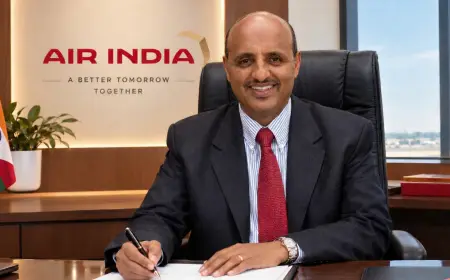
The planned exit of CEO Campbell Wilson adds another layer of complexity to the airline’s current situation. Wilson has been instrumental in leading Air India’s transformation under Tata Group ownership, overseeing efforts to modernize the fleet, improve service standards, and restructure operations.
His tenure has included major aircraft orders, brand revamp initiatives, and operational restructuring aimed at positioning Air India as a globally competitive carrier. The leadership transition comes at a time when many of these initiatives are still in progress.
The reasons for Wilson’s departure have not been fully detailed, but leadership changes in the aviation industry often coincide with shifts in strategic priorities or organizational restructuring.
Tata Group’s Broader Aviation Strategy
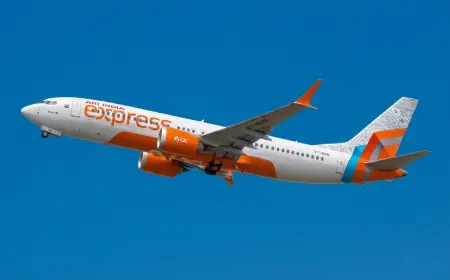
Air India is a central component of the Tata Group’s aviation portfolio, which also includes Air India Express and other affiliated carriers. The group has been working to integrate operations, streamline costs, and create a unified aviation ecosystem capable of competing with both domestic and international airlines.
The airline’s transformation plan involves significant investment in new aircraft, digital systems, and customer experience improvements. Managing costs while executing this strategy remains a key challenge, particularly in a volatile economic environment.
The leadership transition will play a crucial role in determining how effectively these plans are implemented in the coming years.
Financial Pressures in the Aviation Sector
The aviation industry continues to face financial headwinds despite strong recovery in passenger demand. Rising fuel prices, supply chain disruptions, and currency depreciation have all contributed to increased operating costs for airlines worldwide.
For Indian carriers, additional challenges include infrastructure constraints, intense competition, and regulatory factors. These conditions require airlines to adopt flexible pricing strategies and maintain strict cost discipline.
Air India’s surcharge increase is a direct response to these pressures, highlighting the need for continuous financial adjustments in a dynamic market environment.
Fleet Modernization and Expansion Plans
Air India has been pursuing an ambitious fleet modernization program, including large orders for new aircraft aimed at improving efficiency and expanding its global network. These investments are critical for enhancing competitiveness but also require substantial capital.
New-generation aircraft offer better fuel efficiency and lower maintenance costs, helping airlines reduce long-term expenses. However, the upfront costs associated with fleet expansion can strain finances, particularly when combined with rising operational expenses.
The airline’s ability to manage these investments while maintaining profitability will be a key factor in its long-term success.
Competitive Landscape in India
India’s aviation market is one of the fastest-growing in the world, driven by rising incomes, increasing connectivity, and strong demand for air travel. However, it is also highly competitive, with multiple carriers vying for market share.
Low-cost carriers dominate the domestic market, while full-service airlines compete on international routes and premium services. Air India’s strategy involves strengthening its position in both segments, leveraging its brand and network to attract a broad customer base.
The combination of pricing adjustments and leadership changes will influence how the airline positions itself against competitors in the near term.
Outlook and Strategic Direction
Looking ahead, Air India is expected to continue focusing on cost management, operational efficiency, and network expansion. The leadership transition presents an opportunity to refine its strategy and address emerging challenges.
The airline may explore additional revenue streams, partnerships, and operational improvements to enhance its financial performance. Maintaining service quality while managing costs will remain a critical balancing act.
Market conditions, including fuel prices and economic trends, will play a significant role in shaping the airline’s trajectory.
Conclusion
Air India’s decision to raise fuel surcharges alongside the planned departure of CEO Campbell Wilson underscores the challenges and transitions facing the airline as it works to balance rising costs, strategic growth, and leadership change in a competitive aviation market.